


The Versatility and Benefits of FRP Square Tubes
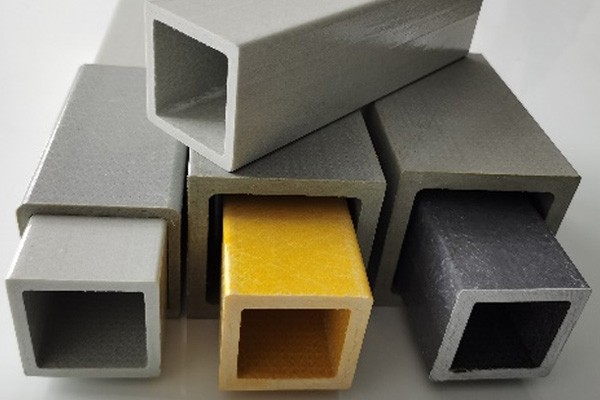
Fiberglass Reinforced Plastic (FRP) square tubes have gained significant traction across various industries due to their unique combination of strength, durability, and lightweight properties. As industries seek more efficient and sustainable materials, FRP square tubes are becoming a popular choice for structural applications, offering a range of advantages that traditional materials cannot match. This article explores the characteristics, manufacturing process, applications, and future trends of FRP square tubes, highlighting their importance in modern construction and engineering.
What is FRP?
FRP, or Fiberglass Reinforced Plastic, is a composite material made from a polymer matrix reinforced with fiberglass fibers. This combination results in a material that is not only lightweight but also incredibly strong and resistant to various environmental factors. FRP can be molded into different shapes, including square tubes, which enhances its applicability in structural and architectural designs.
Key Properties of FRP Square Tubes
Lightweight: One of the most significant advantages of FRP square tubes is their lightweight nature. Compared to traditional materials like steel or aluminum, FRP is much lighter, making it easier to handle and install in various applications.
High Strength-to-Weight Ratio: Despite being lightweight, FRP square tubes exhibit an impressive strength-to-weight ratio. This property allows for the construction of strong yet lightweight structures, reducing the overall load on supporting elements.
Corrosion Resistance: FRP materials are inherently resistant to corrosion, making them ideal for applications in harsh environments. Unlike metals, FRP does not rust or degrade when exposed to moisture, chemicals, or UV radiation.
Thermal Insulation: FRP has excellent thermal insulation properties, reducing heat transfer. This characteristic makes FRP square tubes suitable for applications requiring temperature regulation.
Design Flexibility: FRP can be molded into various shapes and sizes, providing designers with greater flexibility in architectural and structural applications. The ability to produce custom sizes and profiles makes FRP square tubes a versatile choice.
Manufacturing Process of FRP Square Tubes
The manufacturing of FRP square tubes involves several key steps:
Material Selection: The process begins with selecting suitable resin and fiberglass materials. Commonly used resins include polyester, vinyl ester, and epoxy, each offering different properties and benefits.
Layup Process: The fiberglass layers are arranged in a mold. The number of layers and orientation of the fibers are determined based on the desired strength and performance characteristics.
Resin Infusion: Once the fiberglass is positioned in the mold, the resin is infused into the fiberglass layers. This step ensures that the fibers are thoroughly saturated with resin, creating a strong bond.
Curing: After the resin is applied, the mold is subjected to heat or left at room temperature to cure. Curing is a critical step that allows the resin to harden, resulting in a solid and durable product.
Finishing: Once cured, the FRP square tubes are removed from the mold and undergo finishing processes. This may include cutting to length, sanding, and applying protective coatings to enhance durability and aesthetics.
Applications of FRP Square Tubes
FRP square tubes are used in various applications across multiple industries due to their advantageous properties:
1. Construction and Architecture
In the construction sector, FRP square tubes are increasingly used for structural applications, such as columns, beams, and trusses. Their lightweight nature reduces the load on foundations, and their corrosion resistance makes them suitable for outdoor and marine environments. Additionally, FRP can be molded into aesthetically pleasing designs, enhancing the visual appeal of architectural structures.
2. Transportation
The transportation industry benefits from FRP square tubes, particularly in the manufacturing of lightweight vehicles, trailers, and transportation equipment. The reduced weight contributes to better fuel efficiency and performance, making FRP a valuable material in modern vehicle design.
3. Electrical and Telecommunications
FRP square tubes are used in electrical and telecommunications applications, including utility poles and cable trays. Their non-conductive properties make them safe for use in environments where electrical insulation is essential.
4. Marine Applications
Given their resistance to corrosion and moisture, FRP square tubes are ideal for marine applications. They are used in boat building, docks, and other structures exposed to water, providing durability and longevity in harsh conditions.
5. Industrial Applications
In industrial settings, FRP square tubes are utilized for support structures, safety barriers, and equipment housing. Their ability to withstand chemicals and harsh environments makes them a preferred choice for manufacturing facilities and processing plants.
Advantages of Using FRP Square Tubes
FRP square tubes offer several benefits that make them an attractive alternative to traditional materials:
1. Cost-Effectiveness
While the initial cost of FRP square tubes can be higher than that of conventional materials, their long-term durability and low maintenance requirements often lead to overall cost savings. Their resistance to corrosion and environmental damage reduces the need for frequent replacements.
2. Sustainability
FRP is a sustainable material choice, as it can be produced with recycled content and is fully recyclable at the end of its life cycle. The lightweight nature of FRP also contributes to lower energy consumption during transportation and installation.
3. Enhanced Safety
The non-conductive properties of FRP square tubes make them safer to use in electrical applications. Additionally, their resistance to corrosion reduces the risk of structural failure, enhancing overall safety in various applications.
4. Low Maintenance Requirements
FRP requires minimal maintenance compared to materials like steel or wood. It does not need regular painting or protective coatings, which reduces long-term upkeep costs and efforts.
5. Aesthetic Appeal
FRP square tubes can be manufactured in various colors and finishes, allowing for creative design possibilities. This versatility makes them suitable for both functional and decorative applications.
Challenges and Considerations
Despite their many advantages, there are also challenges to consider when using FRP square tubes:
1. Initial Cost
The upfront cost of FRP square tubes can be a barrier for some projects, particularly when budgets are tight. However, it is essential to consider the long-term savings associated with their durability and low maintenance.
2. Limited Load-Bearing Capacity
While FRP square tubes have a high strength-to-weight ratio, they may not be suitable for every application, particularly those requiring extremely high load-bearing capacities. Engineers must assess the specific requirements of each project to determine if FRP is appropriate.
3. Temperature Sensitivity
FRP materials can be sensitive to extreme temperatures, which may affect their performance. It is crucial to select the right resin type based on the operating environment and temperature conditions.
Future Trends in FRP Square Tubes
The future of FRP square tubes looks promising, with several emerging trends shaping their development:
1. Innovative Manufacturing Techniques
Advancements in manufacturing technologies, such as 3D printing and automated layup processes, are expected to enhance the efficiency and precision of FRP production. These innovations can lead to lower costs and more complex designs.
2. Increased Adoption in Construction
As sustainability becomes a focal point in construction, the demand for eco-friendly materials like FRP is likely to grow. More architects and engineers are recognizing the benefits of FRP square tubes for green building projects.
3. Research and Development
Ongoing research into new resin formulations and fiberglass reinforcement techniques will continue to improve the performance characteristics of FRP square tubes. This could lead to products that are even more durable, lightweight, and cost-effective.
4. Expanded Applications
As industries seek innovative solutions to reduce weight and improve efficiency, the applications for FRP square tubes are expected to expand. New markets, such as renewable energy (e.g., wind turbine components) and aerospace, may increasingly adopt FRP materials.
FRP square tubes represent a significant advancement in material technology, offering a unique combination of strength, lightweight properties, and durability. Their versatility makes them suitable for various applications across industries, from construction to transportation and beyond. As the demand for sustainable and efficient materials continues to rise, FRP square tubes are poised to play a crucial role in shaping the future of engineering and design. By embracing innovation and addressing the challenges associated with traditional materials, FRP square tubes will undoubtedly become a staple in modern construction and manufacturing processes.