


The advantages of fiberglass channels
Fiberglass channels are engineered structural components that have gained significant traction in various industries due to their exceptional strength, corrosion resistance, and lightweight properties. These channels are typically manufactured using a pultrusion process, which ensures a high strength-to-weight ratio and consistent quality.
One of the primary advantages of fiberglass channels is their resistance to corrosion. This makes them ideal for use in environments where metallic channels would succumb to rust and degradation, such as chemical plants, marine applications, and water treatment facilities. The non-conductive nature of fiberglass channels also makes them safe for electrical applications, reducing the risk of electrical hazards.
The use of fiberglass channels in construction has revolutionized the way structures are built, especially in corrosive conditions. Enduro composites, for instance, offers fiberglass structural shapes, including channels, that provide superior long-term performance compared to steel or aluminum sections. These channels are designed for use as primary and secondary framing in buildings with long span and high load requirements, utilizing a shape, glass fiber reinforcing, and manufacturing process that optimizes structural properties and cost.
In terms of safety, fiberglass channels meet stringent flame spread ratings. They are often constructed with corrosion-resistant vinyl ester or iso-polyester resin, which has a UL Class 1 flame spread rating of 25 or less per ASTM E84. This feature makes them suitable for use in areas where fire safety is a concern.
The applications of fiberglass channels are vast. They are used in long-span roof, wall, and tank cover beams, primary building structures, baffle wall columns, cooling tower structures, and various cable management systems. Their high strength, non-conductive properties, and Class 1 flame spread rating contribute to life cycle cost savings and a long, maintenance-free life.
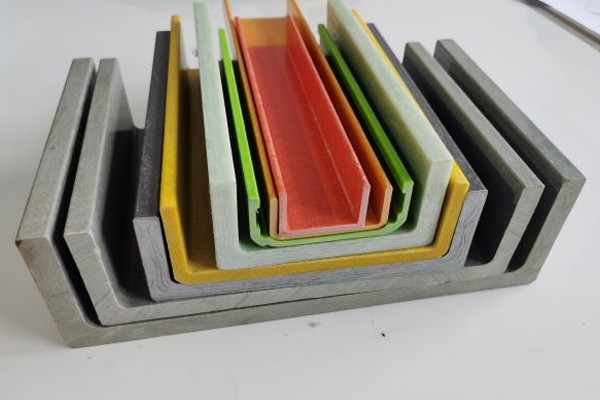
Manufacturers like NHC provide a range of fiberglass channels with different resin types, such as polyester and vinyl ester, offering solid back or vented options for various thermal management needs. These channels are designed to meet specific ASTM specifications and are available in various sizes to fit different load requirements.
Furthermore, the installation of fiberglass channels is often accompanied by a suite of accessories designed to ensure a secure and efficient setup. This includes field cutting sealant kits, U-bolts with hex nuts, concrete inserts, and various types of nuts and plates for connecting channels. These accessories are made from materials like glass-reinforced polyurethane, ensuring they meet the same high standards of durability and performance.
In conclusion, fiberglass channels are a versatile and robust solution for a wide array of applications. Their combination of strength, corrosion resistance, and safety features positions them as a leading choice in industries where reliability and longevity are paramount. As technology continues to advance, the capabilities and applications of fiberglass channels are expected to expand, further cementing their place in the realm of advanced materials.