


A grp flat sheet offers strength and versatility for many building projects. Buyers need to understand sizes, thicknesses, and prices to avoid costly mistakes.
Temperature changes can cause expansion or contraction, affecting fit and performance.
Manufacturers allow for some tolerance in sheet sizes, so planning for small discrepancies helps ensure a good result.
Installers can trim fibreglass flat sheet on-site, making adjustments easy for custom needs.
Key Takeaways
GRP flat sheets are strong and lightweight, making them ideal for various construction projects.
Understanding sizes and thicknesses is crucial to avoid waste and ensure proper installation.
Standard sizes often lead to faster delivery and lower costs, while custom sizes cater to unique project needs.
Thicker GRP sheets provide better durability and strength, especially in high-traffic areas.
Prices for GRP flat sheets vary based on size, thickness, and special features; bulk orders can save money.
Regular maintenance and inspections can extend the lifespan of GRP products, which can last 25 to 50 years.
Choosing a reliable supplier ensures quality and support throughout the purchasing process.
Using a GRP fibreglass roof kit simplifies installation and reduces the risk of mistakes.
What Is a GRP Flat Sheet?
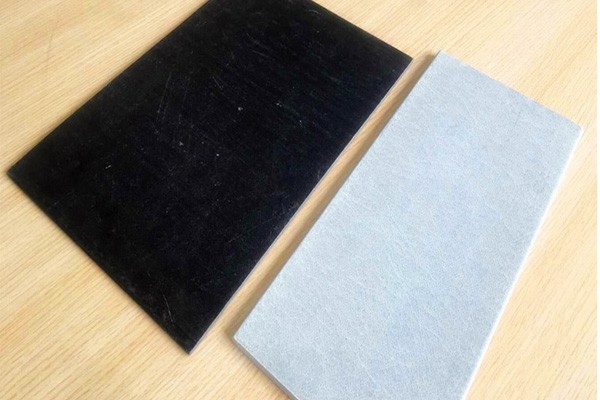
A grp flat sheet is a strong, lightweight panel made from glass fiber and resin. Manufacturers use advanced processes to combine these materials, creating a product that stands out for its durability and versatility. Many people choose grp for construction and industrial projects because it offers unique advantages over traditional materials.
Key Features of GRP
GRP, or glass-reinforced plastic, uses a blend of resin and glass fibers. This combination results in a material that is both tough and light. The production process often includes:
A higher fiber-to-resin ratio, which increases strength while keeping weight low.
The ability to create large, seamless components.
Uniform thickness and consistent quality across each sheet.
Shorter production times, which help meet tight project deadlines.
Manufacturers select base materials carefully. They often use epoxy resin for its mechanical strength or unsaturated polyester resin for its quick curing and cost-effectiveness. Glass fibers make up 60% to 70% of the sheet, appearing as chopped strand mat or woven fabric. Production methods include hand lay-up, compression molding, and vacuum infusion. Each method ensures the fibreglass layers bond tightly with the resin, resulting in a reliable product.
Tip: The careful layering and curing process gives each fibreglass flat sheet its signature strength and flexibility.
Common Applications
GRP flat sheets serve many industries. Their unique properties make them suitable for:
Roofing and cladding in both homes and commercial buildings.
Wall linings in food factories, hospitals, and laboratories.
Vehicle manufacturing, including truck panels and trailers.
Marine uses, such as boat hulls and dock panels.
Chemical plants, where resistance to corrosion is essential.
These sheets also appear in public restrooms, clean rooms, and cold storage facilities. Their smooth surface and easy cleaning make them a popular choice for hygiene-sensitive environments.
Benefits of GRP Flat Sheets
GRP flat sheets offer several advantages compared to metal or wood. The table below highlights key properties:
| Property | Description |
|---|---|
| Mechanical Strength | High strength despite low weight. |
| Chemical Resistance | Withstands chemicals and corrosion. |
| UV Resistance | Resists damage from sunlight. |
| Durability | Lasts over 25 years with minimal maintenance. |
| Water Resistance | Maintains integrity in wet or humid conditions. |
| Ease of Cleaning | Smooth surface allows for quick cleaning and inspection. |
Unlike metal, grp does not rust or corrode. Unlike wood, it does not swell or rot when exposed to water. Fibreglass flat sheet panels keep their shape and performance even in extreme weather. Many users report that grp products require little maintenance and rarely need replacement, making them a cost-effective solution for long-term projects.
GRP Flat Sheet Sizes
Selecting the right size for a grp flat sheet is a key step in any flat roof or cladding project. The correct dimensions help reduce waste, save money, and ensure a smooth installation. Understanding standard and custom options allows buyers to match their needs with the most cost-effective solution.
Standard Sheet Dimensions
Manufacturers offer a range of standard sizes for grp flat sheets. These sizes fit most flat roof and wall applications, making them a popular choice for both residential and commercial projects.
Popular Sizes (1m x 2m, 1.22m x 2.44m)
The most common sizes for grp flat sheets include:
| Standard Size Options | Dimensions (mm) |
|---|---|
| 1.2 x 2 m | 1200 x 2000 |
| 1.2 x 3 m | 1200 x 3000 |
| 1.2 x 4 m | 1200 x 4000 |
| 1.5 x 2 m | 1500 x 2000 |
| 1.5 x 3 m | 1500 x 3000 |
| 1.5 x 4 m | 1500 x 4000 |
| 2440 x 1220 | 2440 x 1220 |
| 3000 x 1220 | 3000 x 1220 |
These sizes cover most needs for flat roof coverings, wall linings, and cladding. Choosing a standard size often leads to faster delivery and lower costs.
Large Width Options (up to 2650mm)
Some projects require larger panels to minimize seams or cover wide areas. Manufacturers can supply grp flat sheets up to 2650mm in width. These large panels work well for industrial flat roof installations and commercial spaces where fewer joints are preferred.
Note: Using larger panels can reduce installation time and improve the appearance of a flat roof by minimizing visible seams.
Custom Size Availability
Not every project fits standard dimensions. Many suppliers offer custom-sized grp flat sheets to match unique requirements. Customization options include:
Tailored lengths and widths for special flat roof layouts.
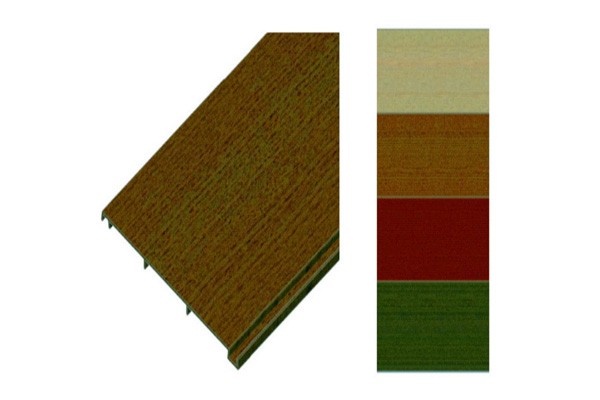
A variety of colors, textures, and finishes for design flexibility.
Panels designed for specific load or durability needs, such as heavy-duty fibreglass flat sheet for high-traffic areas.
Custom orders may require longer lead times, especially for complex specifications. Buyers should communicate project timelines early to ensure timely delivery.
Measuring for Your Project
Accurate measurement is essential before ordering grp flat sheets. Installers should:
Measure the length and width of the flat roof or wall area.
Allow for overlaps, trims, and any expansion gaps.
Consider the orientation of the sheet for best coverage and minimal waste.
Tip: Ordering standard sizes when possible can save money. Manufacturers often offer volume discounts for large orders, and high-quality grp sheets can reduce maintenance costs by up to 60% compared to steel alternatives.
Sourcing from efficient suppliers helps buyers access competitive prices and reliable quality. For large flat roof projects, negotiating volume discounts or choosing US-made panels can further improve cost-effectiveness.
GRP Flat Sheet Thicknesses
Selecting the correct thickness for a grp flat sheet is essential for achieving the desired performance and longevity. Thickness determines how well the sheet withstands loads, impacts, and environmental stress. Manufacturers offer a range of thicknesses to suit different applications, from light-duty wall panels to heavy-duty industrial flooring.
Common Thickness Range (3mm–12mm)
Major suppliers provide grp flat sheets in several thickness options. The most common thicknesses include:
1mm
2mm
3mm
4mm
These options allow buyers to choose the right sheet for their project. For roofing and cladding, the minimum roofing thickness usually starts at 3mm. For solid panels, the minimum solid thickness is often 4mm. Thicker sheets provide greater strength and durability, especially in demanding environments.
Light Duty (3mm–4mm)
Light-duty grp flat sheets work well for wall linings, ceilings, and areas with low foot traffic. Installers often use 3mm or 4mm sheets for hygienic wall coverings in food factories or hospitals. These thin panels are easy to handle and cut, making installation quick and efficient.
Medium Duty (5mm–7mm)
Medium-duty sheets offer a balance between strength and flexibility. Thicknesses from 5mm to 7mm suit walkways, ramps, and commercial flooring. These grp sheets provide effective anti-slip surfaces, which help prevent accidents in busy environments. Their low profile allows installation on uneven surfaces, reducing trip hazards.
Heavy Duty (8mm–12mm)
Heavy-duty grp flat sheets are designed for industrial floors, loading bays, and high-traffic areas. Thicknesses from 8mm to 12mm deliver maximum durability and impact resistance. These fibreglass panels withstand heavy loads and frequent use without losing their shape or performance.
GRP components are designed to last for decades without significant degradation. This long service life is attributed to the robust construction of grp, which maintains its structural integrity even under harsh conditions. GRP is inherently resistant to corrosion, making it an excellent choice for environments exposed to moisture and chemicals.
Choosing the Right Thickness
Selecting the right thickness depends on the specific needs of the project. Consider the following factors:
Made from high-quality isophthalic polyesters and refined aluminium oxide, grp flat sheets resist environmental factors and maintain their structure over time.
Suitable for both internal and external use, grp sheets perform well in various weather conditions.
Dimensional stability ensures that fibreglass flat sheet panels do not warp or degrade, even with temperature and moisture changes.
GRP flat sheets are robust and long-lasting. Their durability makes them ideal for ramps, walkways, and industrial settings. Buyers should assess the expected load, traffic, and exposure to chemicals or moisture before choosing a thickness. Thicker panels offer better protection and longer service life, while thinner sheets provide cost savings for less demanding applications.
Tip: Always check manufacturer guarantees for heavy-duty grp flat sheets. Many suppliers offer extended warranties for panels used in challenging environments.
GRP Flat Sheet Prices
Price Range Overview (US$2–$35)
GRP flat sheet prices show a wide range. Buyers can expect to pay between $2 and $35 per sheet, depending on the specifications. The cheapest flat plastic roofing sheets often start at around $2 for thin, small panels. High-performance options, such as thick fibreglass flat sheet panels with anti-slip surfaces, can reach $35 or more. The cost varies by region, supplier, and sheet features.
| Region/Country | Price Range (USD) | Supplier |
|---|---|---|
| China | $0.40 - $15.50 | Various |
| United States | Varies | Various |
| Asia-Pacific | Dominates market | N/A |
| North America | Significant share | N/A |
| Europe | High-performance demand | N/A |
China offers some of the cheapest flat plastic roofing sheets, while Europe and North America focus on high-quality and performance, which increases the cost. Asia-Pacific leads the market in volume, but prices depend on local demand and quality standards.
Price by Size and Thickness
The cost of a grp flat sheet depends on its size and thickness. Larger sheets often provide better value per square meter because manufacturers achieve economies of scale. Smaller sheets may cost more due to extra labor and installation time. Thicker panels cost more because they use more material and offer greater durability.
The cost of roofing changes with the size of the roof and the complexity of the design.
Larger sheets can lower material costs, while smaller sheets may increase costs due to more seams and labor.
The thickness and quality of grp material affect the overall cost. Higher-quality materials can save money over time by reducing maintenance and replacement costs.
| Thickness | Performance Characteristics | Price Justification |
|---|---|---|
| 4mm | High strength-to-weight ratio, impact-resistant, corrosion-resistant | Justified due to durability and long service life |
| 5mm | High-performance, long-lasting, stringent quality control | Higher price due to enhanced safety and durability |
A 4mm fibreglass flat sheet offers strong impact resistance and long service life, which justifies its cost. A 5mm sheet provides even greater durability and safety, leading to a higher price. Buyers should match the thickness to the demands of their roofing or cladding project to avoid unnecessary costs.
Factors Affecting Price
Material Quality
The type and quality of raw materials play a major role in determining the cost of grp flat sheets. Sheets made with high-quality fiberglass and resin last longer and perform better. E-glass, S-glass, and C-glass fibers have different costs and properties. Polyester, vinyl ester, and epoxy resins also affect the price and durability. High-quality materials increase the initial cost but reduce long-term costs by lowering maintenance and replacement needs.
| Factor | Description |
|---|---|
| Type and Quality of Raw Materials | The performance and durability of grp flat sheets depend on the type and quality of fiberglass and resin used. Different types of fiberglass and resins have varying costs and properties. |
| Production Process and Technology | The method of production affects the price. Molded plastic roofing sheets are usually cheaper and resist corrosion well. Pultruded sheets offer more strength and stiffness, which increases the cost. |
Size and Thickness
Sheet size and thickness directly affect the cost. Larger panels often cost less per square meter, while thicker sheets require more material and offer better performance. Buyers should consider the demands of their roof or wall project when choosing size and thickness to balance cost and durability.
Supplier and Quantity
Supplier choice and order quantity influence the cost. Bulk orders often receive discounts, especially for standard sizes. Local suppliers may offer lower shipping costs, while international suppliers might provide cheaper plastic roofing sheets but with longer delivery times. Buyers should compare suppliers to find the best balance between cost and quality.
Special Features (e.g., anti-slip, color)
Special features such as anti-slip surfaces or custom colors increase the cost of grp flat sheets. Anti-slip coatings, like those found on Duragrip sheets, improve safety and durability, which justifies a higher price. Extra thickness and custom RAL colors add to manufacturing costs. Products like Dino Grip non-slip flat sheets offer multiple color options, which can raise the price for custom orders.
Anti-slip surfaces enhance safety and durability, increasing the cost.
Extra thickness and custom colors require more material and labor, raising the price.
Multiple color options allow for design flexibility but may result in higher costs for custom orders.
Tip: Buyers should weigh the benefits of special features against the added cost. For high-traffic areas or safety-critical applications, investing in anti-slip or colored panels can provide long-term savings.
Sheet thickness plays a key role in determining price. Thicker panels offer greater durability and strength, which suits heavy-duty applications. Buyers who select the right thickness for their project can balance cost and performance. Fibreglass flat sheet panels in the 4.5mm to 6.0mm range provide reliable strength for most roofing and cladding needs.
A clear price comparison helps buyers make informed decisions. Understanding how thickness and order size affect cost allows for smarter budgeting and better project outcomes.
Choosing the Right GRP Flat Sheet
Assessing Project Needs
Every project has unique requirements. Before selecting a grp flat sheet, buyers should evaluate the environment and intended use. For example, a flat roof exposed to harsh weather needs a sheet with high mechanical resistance. In a chemical plant, chemical resistance becomes essential. Lightweight panels help when installers must handle materials at height or in tight spaces. Compliance with safety standards ensures the finished structure meets regulations and performs reliably.
The table below summarizes important criteria to consider:
| Criteria | Description |
|---|---|
| Mechanical Resistance | GRP sheets can withstand various weather conditions and impacts without denting or corroding. |
| Chemical Resistance | They resist chemical agents, ensuring durability in harsh environments. |
| Lightweight Nature | Their lightness facilitates easy handling and installation, making them practical for projects. |
| Compliance with Standards | GRP sheets meet specifications that conventional materials may not, ensuring safety and reliability. |
Tip: Always match the fibreglass flat sheet to the specific demands of the project for the best results.
Matching Size and Thickness
Choosing the correct size and thickness of grp flat sheet ensures both efficiency and safety. Standard sizes often fit most applications and reduce waste. Custom sizes work well for unique layouts or when minimizing seams is important. Thicker panels provide extra strength for heavy-duty areas, while thinner sheets suit walls or ceilings with low impact risk.
Installers should measure the area carefully. They should allow for overlaps and expansion gaps. Selecting the right thickness depends on expected loads and traffic. For example, a walkway may need a 6mm fibreglass sheet, while a wall lining may only require 3mm.
A quick checklist for matching size and thickness:
Measure the installation area accurately.
Choose standard sizes for cost savings.
Select thickness based on load and durability needs.
Consider custom sizes for complex layouts.
Balancing Cost and Performance
Balancing cost and performance helps buyers achieve the best value. Thinner grp sheets and standard sizes offer the lowest initial cost. However, thicker panels last longer and reduce maintenance over time. Transportation and installation efficiency also affect total project cost. Custom lengths can reduce on-site cutting but may require special transport for very long sheets.
The table below highlights key factors for balancing cost and performance:
| Factor | Description |
|---|---|
| Cost Sensitivity | Thinner gauges and standard stock sizes offer the lowest initial cost. Balance this against long-term durability needs. |
| Transportation | Custom lengths optimize packing and reduce site handling but need precise measurement. Very long sheets (>12m) require specialized transport. |
| Installation Efficiency | Wider coverage widths can reduce the number of sheets and side-laps, speeding installation. Custom lengths eliminate on-site cutting time. |
Note: Investing in the right fibreglass flat sheet at the start can lower repair and replacement costs in the future.
Careful planning ensures the grp sheet matches the project’s needs, fits the budget, and delivers reliable performance for years.
Comparing GRP to Other Materials
GRP vs. EPDM, Asphalt, Concrete
Many buyers want to know how grp compares to other common roofing materials. The most popular alternatives include EPDM, asphalt, and concrete. Each material has unique strengths and weaknesses for flat roof and waterproofing projects. The table below shows a side-by-side comparison of cost, lifespan, and installation time:
| Material | Cost per square foot | Durability | Installation Time |
|---|---|---|---|
| GRP | $4 to $6 | 20 to 30 years | Moderate |
| EPDM | $4 to $13 | Up to 30 years | Fast |
| Concrete | $4 to $8 | 50 to 100 years | Moderate |
GRP stands out as a plastic solution that balances cost and performance. EPDM, another plastic option, installs quickly and offers a similar lifespan. Concrete lasts much longer but weighs more and takes longer to install. Asphalt, while not shown in the table, usually costs less but has a shorter lifespan and requires more maintenance. For many flat roof projects, grp provides a strong, lightweight, and waterproofing solution that fits most budgets.
Maintenance and Durability
Maintenance needs and lifespan play a big role in choosing a roofing material. GRP flat sheets offer a long lifespan and require little maintenance compared to other plastic and non-plastic options. Consider these points:
The lifespan of grp flat roofs typically ranges from 25 to 50 years, influenced by installation quality, maintenance, and climate.
Regular maintenance, including inspections and cleaning, is crucial to extend the roof's lifespan and prevent major issues.
Environmental factors, such as extreme weather, can significantly affect the durability of grp roofs.
EPDM and other plastic roofing materials also last up to 30 years with proper care. Concrete roofs can last much longer but may crack over time if not maintained. Asphalt roofs need frequent repairs and have a shorter lifespan. GRP stands out for its resistance to water, chemicals, and UV rays, making it a reliable choice for waterproofing and long-term use. Fibreglass flat sheet panels keep their shape and strength even after years of exposure to harsh weather.
Tip: Regular inspections and cleaning help all plastic roofing materials reach their maximum lifespan.
Value for Money
Buyers often look at the total cost over the lifespan of a roofing system. GRP offers a good balance between initial cost and long-term savings. GRP plastic roofing costs less per year than many alternatives, thanks to its long lifespan and low maintenance needs. While the initial price may be higher than some plastic or asphalt options, the reduced need for repairs and replacements makes grp a smart investment. Many buyers choose a grp fibreglass roof kit for its waterproofing performance and long-term value. These kits provide all the plastic components needed for a durable, watertight roof.
For projects that demand reliable waterproofing, low maintenance, and a long lifespan, grp and fibreglass flat sheet panels deliver excellent value. When compared to other plastic and non-plastic roofing materials, grp stands out as a cost-effective and practical choice.
When to Consider a GRP Fibreglass Roof Kit
A GRP fibreglass roof kit offers a complete solution for many roofing projects. These kits include all the materials needed for installation, which helps both professionals and DIY users. Choosing a kit instead of individual fibreglass flat sheets can save time and reduce mistakes during planning.
Many people select a GRP fibreglass roof kit when they want a seamless, watertight finish. The kit provides continuous coverage, which protects against water leaks and weather damage. This makes it a strong choice for flat roofs, garages, sheds, and even balconies.
The table below highlights the main advantages of using a GRP fibreglass roof kit:
| Advantage | Description |
|---|---|
| Durability | Continuous no seam covering offers excellent protection against water ingress. |
| Cost-effectiveness | Long-term value for money with minimal maintenance required over lifespan. |
| Strength | Strong yet lightweight, suitable for various structures. |
| Energy efficiency | Excellent insulation properties. |
A GRP fibreglass roof kit works well in several scenarios:
The existing roof needs repair or replacement, and a seamless finish is important.
The project requires fast installation with clear instructions.
The installer wants to reduce labor and material costs by applying the kit directly over an old roof.
The building owner wants a long-lasting, low-maintenance solution.
Kits often come with detailed installation guides. These guides help users follow each step, making the process easier for both experienced roofers and first-time installers. By using a kit, people avoid the guesswork of calculating how many fibreglass flat sheets or how much resin they need. This tailored approach ensures that the right amount of material arrives on site, which reduces waste and saves money.
Tip: A GRP fibreglass roof kit can be applied directly to many existing roofs. This method saves time and lowers costs because there is no need to remove the old structure.
Other benefits include:
Reduced risk of leaks due to the seamless design.
Lower maintenance needs over the roof’s lifespan.
Improved energy efficiency from the insulating properties of fibreglass.
People should consider a GRP fibreglass roof kit when they want a reliable, easy-to-install, and cost-effective roofing system. These kits provide everything needed for a successful project, making them a smart choice for many flat roof applications.
Buying and Using GRP Flat Sheets
Finding a Reliable Supplier
Selecting a reliable supplier for grp flat sheets ensures quality and long-term performance. Buyers should look for suppliers who offer durable plastic products with proven resistance to corrosion. This feature makes grp flooring and roofing ideal for harsh environments, such as industrial sites or outdoor installations. Suppliers who provide low-maintenance solutions help businesses save time and money.
A trustworthy supplier understands the importance of safety, load-bearing capacity, and aesthetics. The table below highlights key factors to consider when choosing a supplier for fibreglass flat sheet panels:
| Factor | Description |
|---|---|
| Load-bearing capacity | Ensures panels support the intended weight and usage. |
| Environmental conditions | Assesses how panels perform in specific weather or chemical environments. |
| Safety requirements | Meets regulations and ensures user safety in various applications. |
| Aesthetics | Considers visual appeal and how panels fit into the overall design of the project. |
Buyers should also check for certifications and customer reviews. Suppliers who offer grp sheets with excellent slip resistance enhance safety, especially in wet conditions. Reliable suppliers provide clear technical data and support throughout the purchasing process.
Tip: Choose suppliers who specialize in grp and fibreglass products for roofing and flooring. Their expertise ensures the right plastic solution for each project.
Ordering and Delivery Tips
Ordering grp flat sheets requires careful planning to avoid delays and ensure product quality. Buyers should measure the roof or flooring area accurately before placing an order. Standard sizes often provide cost savings, while custom sizes may require longer lead times.
Best practices for ordering and delivery include:
Inspect sheets upon receipt for any damage and report issues immediately.
Store grp panels in their original crate in a cool, dry place, preferably indoors.
Confirm delivery schedules with the supplier to avoid project delays.
Order in bulk when possible to benefit from volume discounts and lower shipping costs.
Proper storage protects fibreglass flat sheet panels from moisture and physical damage. Buyers should keep plastic sheets away from direct sunlight and chemicals until installation. Clear communication with the supplier helps prevent misunderstandings and ensures timely delivery.
Note: Always verify the quantity and specifications of grp sheets upon arrival. Early inspection helps maintain quality and project timelines.
Installation and Handling
Installing grp flat sheets requires attention to detail and safety. Two people should handle each plastic panel to prevent damage and ensure proper alignment. Fibreglass flat sheet panels are lightweight, but careful handling avoids scratches and cracks.
Installers should follow these steps:
Use gloves to protect hands from sharp edges.
Align panels carefully during insertion to achieve a seamless finish.
Flush the headbox before removing sheets and use a pole for assistance if needed.
Clean panels periodically based on material type, avoiding pressure jets on hinge joints.
Proper installation ensures the grp roofing or flooring system performs as intended. Regular cleaning maintains the appearance and slip resistance of plastic panels. Installers should avoid dragging sheets across rough surfaces to prevent damage.
Tip: Schedule periodic inspections and cleaning to extend the lifespan of grp and fibreglass flat sheet panels. Well-maintained plastic roofing and flooring systems offer reliable protection for many years.
Warranty and Support
A strong warranty and reliable support give buyers peace of mind when choosing a fibreglass flat sheet. Most reputable suppliers understand that customers want assurance their investment will last. They offer clear warranty terms and helpful after-sales service to address any concerns that may arise during or after installation.
The table below summarizes what buyers can expect from leading GRP flat sheet suppliers:
| Warranty | After-sales Service |
|---|---|
| Have | Have |
Most suppliers provide a warranty that covers manufacturing defects. This warranty usually lasts from five to twenty-five years, depending on the product and supplier. The warranty protects against issues like delamination, cracking, or premature wear under normal use. Buyers should always check the length and coverage of the warranty before making a purchase. Some warranties may require proper installation and regular maintenance to remain valid.
After-sales support is another important factor. Reliable suppliers offer technical assistance, installation advice, and troubleshooting help. They may provide phone or email support to answer questions about handling, storage, or repairs. Some suppliers also offer site visits or video guides to help with complex installations. Good after-sales service ensures that buyers can resolve problems quickly and keep their projects on track.
Buyers should keep all purchase documents and warranty certificates in a safe place. If a problem occurs, they should contact the supplier as soon as possible. Clear communication and detailed records help speed up the claims process. Suppliers may ask for photos or a description of the issue to determine the best solution.
Tip: Always read the warranty terms carefully. Look for details about what is covered, how to make a claim, and any actions that might void the warranty.
A strong warranty and responsive support show that a supplier stands behind their fibreglass flat sheet products. These services help protect the buyer’s investment and ensure long-term satisfaction. When comparing suppliers, buyers should consider both the warranty and the quality of after-sales support. This approach helps avoid unexpected costs and ensures a smooth experience from purchase to installation and beyond.
Buyers should review the main features of grp flat sheets before starting any roofing project. These panels offer widths from 1000mm to 2700mm and lengths up to 5800mm. Thickness options range from 1mm to 5mm, making them suitable for many roof types. Key benefits include corrosion resistance, lightweight strength, and weatherproof coatings. Fibreglass flat sheet panels can be cut or bent for custom roofing needs. Comparing suppliers and checking reputation helps ensure a reliable roof. NHC provides trusted solutions for grp roofing projects.
Sizes and thicknesses suit many roof applications.
Weatherproof and corrosion-resistant for long-lasting roofing.
Easy to process and install for different roof designs.
For those seeking a dependable grp flat sheet supplier, NHC stands out as a strong choice.
FAQ
What is a fibreglass flat sheet?
A fibreglass flat sheet is a panel made from glass fibers and resin. Manufacturers design it for strength, durability, and resistance to water and chemicals. Many industries use it for roofing, cladding, and flooring.
How do you choose the right thickness for a project?
Project requirements determine thickness. Light-duty areas need 3mm to 4mm sheets. Heavy-duty spaces require 8mm to 12mm panels. Thicker sheets provide more strength and last longer.
Can you cut or shape fibreglass flat sheets on-site?
Installers can cut fibreglass flat sheets using standard tools. They trim panels to fit custom spaces. Always wear gloves and safety glasses during cutting.
Are fibreglass flat sheets waterproof?
Fibreglass flat sheets resist water and moisture. They maintain their shape in wet conditions. Many people use them for waterproof roofing and wall linings.
What factors affect the price of fibreglass flat sheets?
| Factor | Impact on Price |
|---|---|
| Size | Larger sheets cost more |
| Thickness | Thicker panels cost more |
| Features | Anti-slip, color add cost |
| Quantity | Bulk orders lower price |
How long does a fibreglass flat sheet last?
A fibreglass flat sheet can last 25 to 50 years. Proper installation and regular cleaning extend its lifespan. It resists corrosion and UV damage.
Do fibreglass flat sheets require special maintenance?
Routine cleaning keeps panels in good condition. Inspect sheets for damage after storms. Avoid harsh chemicals when cleaning. Most panels need little maintenance.
Where can you use fibreglass flat sheets?
People use fibreglass flat sheets for roofs, walls, walkways, and industrial floors. They suit homes, factories, hospitals, and marine environments.