


Choosing Between GRP Flat Sheets and Other Flat Roofing Materials
No single answer fits every property when choosing flat roofing materials. A grp flat sheet offers impressive strength, low maintenance, and long service life, making it a top choice for many. However, alternatives like EPDM or asphalt work better in some situations. Key factors shape the decision, including durability, installation, and cost. The table below shows what homeowners often consider when selecting a flat roofing system:
| Factor | Description |
| Building Use | Assess needs such as rooftop access, HVAC units, or solar panel compatibility. |
| Sustainability | Consider eco-friendly or recycled materials for reduced environmental impact. |
| Return on Investment | Weigh installation costs against long-term property value and performance. |
Each property has unique needs. Readers should weigh these factors carefully before making a choice.
Key Takeaways
- GRP flat sheets offer a long lifespan of over 30 years with minimal maintenance, making them a reliable choice for flat roofing.
- EPDM roofs provide flexibility and strong weather resistance, ideal for buildings that experience temperature changes.
- Asphalt roofs are cost-effective but require more frequent inspections and repairs due to their shorter lifespan of 10 to 25 years.
- Concrete roofs are durable and fire-resistant, suitable for large commercial buildings, but they need extra structural support.
- Consider the local climate when choosing roofing materials, as GRP and EPDM perform well in various weather conditions.
- Regular maintenance, including inspections and prompt repairs, is crucial for extending the lifespan of any roofing material.
- Professional installation is recommended for all roofing types to ensure proper sealing and prevent leaks.
- Evaluate both upfront costs and long-term value when selecting roofing materials to make an informed decision.
Material Overview
GRP Flat Sheet Basics
A grp flat sheet stands out in the world of flat roofing. This material, also known as fibreglass, uses a single-ply laminate made from glass fibers and plastic resin. The result is a lightweight, strong, and highly durable surface. Many property owners choose grp roofs for their resistance to chemicals, high temperatures, and water. Fibreglass flat roof systems often last for decades with minimal maintenance. Builders use fibreglass roofing on both homes and commercial buildings where a seamless, watertight finish is important. The smooth surface of grp roofs also makes them easy to clean and inspect.
Tip: Fibreglass roofs can handle foot traffic, making them ideal for terraces or areas with rooftop equipment.
EPDM Overview
EPDM is another popular choice for flat roofs. This synthetic rubber membrane comes from ethylene and propylene, which are byproducts of oil and natural gas. EPDM roofs offer flexibility and can stretch to accommodate building movement. Many installers prefer epdm because it comes in large sheets, reducing the number of seams. This material resists UV rays, ozone, and extreme weather. Homeowners often select epdm for garages, extensions, and commercial buildings. EPDM roofs can last 20 to 30 years with proper care.
- EPDM works well on metal, concrete, and wood substrates.
- The eco-friendly nature of epdm appeals to those seeking sustainable options.
- EPDM roofs require professional installation for best results.
Asphalt and Concrete
Asphalt and concrete remain traditional roofing materials for flat surfaces. Built-up roofing (BUR) uses layers of asphalt and felt or fiberglass to create a thick, protective barrier. This system has served as a reliable option for decades. Asphalt roofs are affordable and can last up to 30 years with regular maintenance. Concrete roofs provide strength and fire resistance, making them suitable for large commercial or industrial buildings. However, both asphalt and concrete roofs can be heavy and may require extra structural support.
| Material | Characteristics | Typical Uses |
| GRP Flat Sheet | Lightweight, seamless, chemical and heat resistant, long lifespan | Homes, terraces, commercial roofs, fibreglass flat roof systems |
| EPDM | Flexible, UV and ozone resistant, eco-friendly, available in large sheets | Garages, extensions, commercial buildings |
| Asphalt (BUR) | Multi-layered, affordable, durable, requires professional installation | Traditional flat roofs, industrial and commercial |
| Concrete | Heavy, strong, fire resistant, long-lasting | Large buildings, industrial applications |
Fibreglass roofs offer a unique combination of strength, low weight, and resistance to harsh conditions. While epdm and asphalt provide reliable protection, grp roofs deliver a seamless finish and long-term value that many property owners appreciate.
Durability
GRP Flat Sheet Strength
GRP roofs stand out for their impressive durability. A grp flat sheet uses layers of fibreglass and resin to create a tough, seamless surface. This structure resists cracking, splitting, and impact damage. Many property owners choose fibreglass for areas with frequent foot traffic, such as terraces or rooftops with equipment. The material handles sharp objects and heavy use without showing signs of wear. Unlike some alternatives, grp roofs rarely suffer from punctures or dents. The smooth finish also prevents water from seeping into the roof, which helps maintain its strength over time.
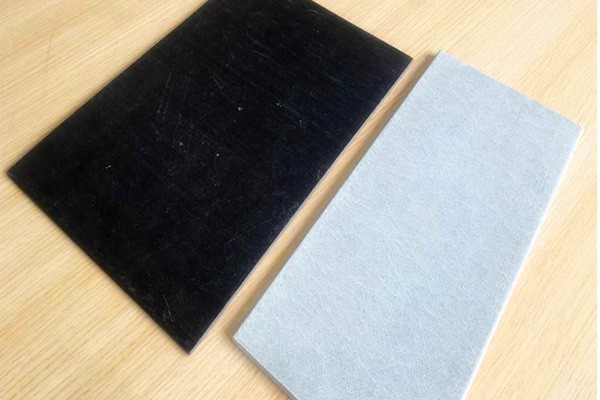
A key advantage of grp roofs is their long lifespan. Most fibreglass flat roof systems last 30 years or more with minimal maintenance. The table below highlights how grp roofs compare to other materials:
| Roofing Material | Average Lifespan |
| GRP | 30 years or more |
| EPDM | 40 years or more |
| Asphalt | 10 to 25 years |
Note: GRP roofs can withstand regular cleaning and inspections without losing their structural integrity.
EPDM Durability
EPDM offers a different approach to flat roofing durability. This synthetic rubber membrane stretches and flexes with building movement. EPDM roofs resist UV rays, ozone, and extreme weather. Many installers use epdm for garages, extensions, and commercial buildings because of its flexibility. However, epdm does not handle physical damage as well as fibreglass. Sharp objects can puncture the membrane, and it does not support foot traffic. Regular inspections help catch small issues before they become major problems.
The average lifespan of epdm roofs reaches 40 years or more when properly maintained. Still, owners must watch for punctures and seam failures. The table below shows how epdm compares in terms of resistance to damage and foot traffic:
| Material | Resistance to Physical Damage | Foot Traffic Compatibility |
| GRP | Highly resistant, unlikely to crack from impacts | Suitable for foot traffic |
| EPDM | Durable but can puncture if mistreated | Not compatible with foot traffic |
Tip: EPDM roofs last longer when owners avoid placing heavy equipment or walking on the surface.
Asphalt and Concrete Lifespan
Asphalt and concrete roofs have served as reliable options for decades. Built-up roofing (BUR) uses layers of asphalt and felt or fibreglass to create a thick barrier. Asphalt roofs usually last between 10 and 25 years, depending on maintenance and climate. Concrete roofs can last even longer, but they require extra structural support due to their weight.
Common issues with asphalt roofs include cracks, blisters, and soft spots. Regular inspections and prompt repairs help extend the lifespan. Concrete roofs resist fire and physical damage but may develop leaks if not properly sealed. The table below summarizes typical durability concerns:
| Roofing Type | Lifespan | Common Issues |
| EPDM | 20-30 years | Susceptible to punctures from sharp objects, requires regular cleaning and inspections for punctures or seam failures. |
| Built-Up Roofing (BUR) | 15-30 years | Requires regular inspections for cracks, blisters, and soft spots; damaged layers need prompt replacement. |
Fibreglass roofing stands out for its ability to resist damage and provide a long-lasting, low-maintenance solution. While epdm and asphalt offer solid protection, grp roofs deliver unmatched strength and durability for both homes and commercial properties.
Comparison Table
A side-by-side comparison helps property owners see how GRP flat sheets, EPDM, asphalt, and concrete perform in terms of durability. The table below summarizes key factors such as average lifespan, resistance to damage, maintenance needs, and suitability for foot traffic.
| Roofing Material | Average Lifespan | Resistance to Physical Damage | Foot Traffic Suitability | Maintenance Needs | Weather Resistance |
| GRP Flat Sheet | 30+ years | Excellent (resists cracks, splits, and impacts) | High (supports regular use) | Low (minimal upkeep) | Excellent (handles rain, sun, and temperature changes) |
| EPDM | 20–40 years | Good (can puncture if sharp objects present) | Low (not for frequent walking) | Moderate (needs inspections) | Very Good (resists UV and ozone) |
| Asphalt (BUR) | 10–25 years | Fair (prone to cracks, blisters, and soft spots) | Moderate (some foot traffic allowed) | High (regular checks and repairs) | Good (handles most weather, but can degrade in heat) |
| Concrete | 30+ years | Excellent (very strong, resists fire and impacts) | High (supports heavy loads) | Moderate (needs sealing and crack repairs) | Very Good (withstands harsh weather) |
Note: Lifespan and performance depend on installation quality and regular maintenance.
Key Takeaways from the Table
- GRP flat sheets offer a long service life with minimal maintenance. They resist most types of physical damage and support foot traffic, making them ideal for terraces or roofs with equipment.
- EPDM provides flexibility and strong weather resistance. However, it does not handle sharp objects or heavy use as well as GRP. Owners should avoid walking on EPDM roofs.
- Asphalt roofs require more frequent inspections and repairs. They can handle some foot traffic but may develop cracks or blisters over time.
- Concrete roofs last a long time and support heavy loads. They need sealing to prevent leaks and may require repairs if cracks appear.
Durability Checklist
- Check if the roof will need to support people or equipment.
- Consider the local climate and exposure to sun, rain, or snow.
- Think about how much time and money can go toward maintenance.
Choosing the right material depends on the specific needs of the property. GRP flat sheets stand out for their balance of strength, longevity, and low upkeep, but each option has its place depending on the situation.
Waterproofing
GRP Flat Sheet Performance
GRP roofs deliver outstanding waterproofing for flat surfaces. The seamless construction of a grp flat sheet prevents water from seeping through joints or seams. Builders often choose fibreglass for areas that face heavy rainfall or coastal winds. The watertight finish of fibreglass roofing keeps interiors dry, even during storms. Many property owners in regions with unpredictable weather rely on grp roofs for their ability to block leaks. The smooth surface also helps water drain quickly, reducing the risk of pooling. Regular inspections rarely reveal issues because the material resists cracks and splits. In independent tests, grp roofs show excellent performance in both heavy rain and harsh coastal environments.
Property owners appreciate that grp roofs require little maintenance to keep their waterproof barrier intact.
EPDM Waterproofing
EPDM stands out for its reliable waterproofing abilities. This rubber membrane forms a continuous layer over the roof, blocking water from entering the building. Installers often use large sheets of epdm, which means fewer seams and less chance for leaks. EPDM adapts well to temperature changes and building movement, keeping its seal tight over time. In extreme weather tests, epdm maintains its waterproof qualities for decades. Many commercial buildings use epdm because it handles rain, snow, and even hail without losing effectiveness. However, sharp objects can puncture the membrane, so owners must avoid placing equipment directly on the surface. Regular checks help catch small punctures before they become leaks.
- EPDM works well in both hot and cold climates.
- The material resists UV rays, which helps prevent cracks and leaks.
Asphalt and Concrete
Asphalt and concrete roofs offer traditional waterproofing solutions. Built-up asphalt roofs use several layers of felt or fibreglass soaked in asphalt. This multi-layered approach creates a thick barrier against water. However, seams and joints in asphalt roofs can become weak points over time. Heavy rain may cause blisters or cracks, especially if maintenance lapses. Concrete roofs provide a solid surface that blocks water, but they need proper sealing. Without regular sealing, water can seep into small cracks and cause leaks. Both asphalt and concrete require more frequent inspections and repairs compared to grp roofs and epdm.
| Material | Waterproofing Method | Common Issues | Maintenance Level |
| GRP Flat Sheet | Seamless, watertight layer | Rarely cracks or leaks | Low |
| EPDM | Large, flexible membrane | Punctures from sharp objects | Moderate |
| Asphalt (BUR) | Multi-layered system | Blisters, seam failures | High |
| Concrete | Solid slab, needs sealing | Cracks, water seepage | Moderate |
Regular maintenance and inspections help all roofing types maintain their waterproofing, but grp roofs and epdm offer the most reliable protection in extreme weather.
Weather Resistance
Weather resistance plays a key role in the performance of any flat roofing material. Each option—GRP flat sheets, EPDM, asphalt, and concrete—reacts differently to sun, rain, snow, and temperature changes. Understanding these differences helps property owners select the best material for their climate.
GRP Flat Sheets
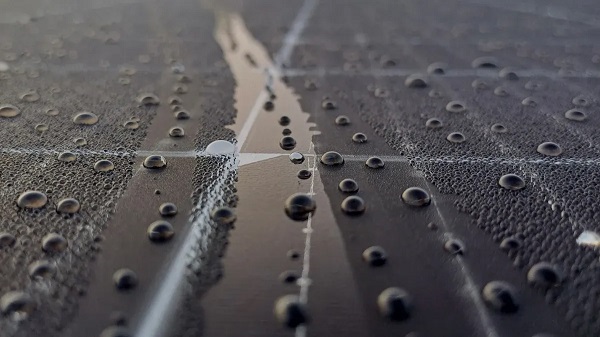
GRP flat sheets show excellent resistance to harsh weather. The fiberglass and resin structure blocks water, resists UV rays, and stands up to temperature swings. GRP roofs do not warp or become brittle in cold weather. They also do not soften or lose strength in extreme heat. Heavy rain runs off the smooth surface, which prevents pooling and reduces the risk of leaks. In coastal areas, GRP resists salt spray and wind-driven rain. This makes it a strong choice for regions with unpredictable or severe weather.
EPDM
EPDM roofing also performs well in many climates. The rubber membrane stretches and contracts as temperatures change. This flexibility helps prevent cracks and splits during freeze-thaw cycles. EPDM resists damage from UV rays and ozone, so it does not degrade quickly in sunny locations. However, EPDM can become slippery when wet and may suffer from punctures if hail or debris strikes the surface. Owners should avoid placing sharp objects on EPDM roofs to maintain their weatherproof barrier.
Asphalt and Concrete
Asphalt roofs provide good weather resistance but need regular maintenance. High temperatures can cause asphalt to soften, while cold weather may lead to cracks or blisters. Heavy rain can find its way into seams or weak spots, especially if the roof ages or lacks proper care. Concrete roofs offer strong protection against fire, wind, and hail. They resist most weather conditions but require sealing to prevent water from seeping into small cracks. Without regular sealing, freeze-thaw cycles can cause concrete to expand and contract, leading to leaks.
Tip: Regular inspections after storms or extreme weather help catch small problems before they become major repairs.
Comparison Table: Weather Resistance
| Material | UV Resistance | Rain Protection | Freeze-Thaw Tolerance | Wind Resistance | Maintenance Needs |
| GRP Flat Sheet | Excellent | Excellent | Excellent | Excellent | Low |
| EPDM | Very Good | Very Good | Excellent | Good | Moderate |
| Asphalt (BUR) | Good | Good | Fair | Good | High |
| Concrete | Very Good | Very Good | Good | Excellent | Moderate |
Property owners should match their roofing choice to the local climate. GRP flat sheets and EPDM both offer strong weather resistance for most environments. Asphalt and concrete work well but need more frequent care, especially in areas with extreme temperatures or heavy rainfall.
Installation
GRP Flat Sheet Process
Installing grp roofs involves several precise steps to ensure a watertight and long-lasting surface. Contractors begin by framing the roof with a slight slope to help water drain. They then install a layer of 5/8-inch plywood or OSB, leaving small gaps for expansion. Next, they apply a water-resistant underlayment over the sheathing. Workers dry-fit the fibreglass sheets, cutting and positioning them for a perfect fit. After preparing the surface, they mix the resin and lay the fibreglass mat, rolling it out to remove air bubbles. The resin cures to form a seamless, durable layer. Finally, installers finish the edges with flashing and seal all corners to prevent leaks.
Note: Fibreglass roofing requires specific curing conditions. Temperature and humidity can affect how the resin sets, so installers often choose dry, mild days for the job.
Common challenges include improper curing, which can lead to weak spots, and poor edge sealing, which may cause leaks. Skilled contractors reduce these risks by following best practices and inspecting each stage carefully.
EPDM Installation
The installation of epdm roofs focuses on creating a continuous, flexible membrane. Workers start by framing the roof and installing the sheathing, similar to the process for fibreglass. They then roll out the epdm membrane, allowing it to relax and flatten. Installers cut the membrane to size and apply adhesive to both the roof surface and the underside of the epdm. After positioning the membrane, they use rollers to press it down and remove air pockets. Seams and edges receive special attention, with seam tape or liquid adhesive used to create a watertight seal. Flashing protects corners and penetrations.
Improper installation is a leading cause of epdm failure. Experienced contractors ensure seams are tight and edges are secure.
Challenges with epdm include seam maintenance, as seams can pull apart over time. Shrinkage may also occur as the membrane ages, leading to gaps that allow water infiltration. Regular inspections help catch these issues early.
Asphalt and Concrete
Asphalt and concrete roofs use traditional methods that require careful layering. For asphalt, installers build up several layers of felt or fibreglass mat, each soaked in hot asphalt. They alternate layers to create a thick, protective barrier. Workers finish with a gravel or mineral surface to shield the roof from sunlight. Concrete roofs involve pouring and curing a solid slab, which provides strength and fire resistance. Both types need flashing at edges and around penetrations.
Common installation problems include buckling, alligatoring, and cracking, especially when temperature swings occur. Pooling water can accelerate wear and increase the risk of leaks. Proper slope and regular inspections help prevent these issues.
Tip: All flat roofs benefit from professional installation and regular maintenance to extend their lifespan and performance.
Time and Complexity
The time and complexity of installing a flat roof depend on the material chosen. Each roofing system has unique steps, skill requirements, and potential delays. Understanding these differences helps property owners plan their projects and set realistic expectations.
GRP Flat Sheet Installation
GRP flat sheet installation usually takes longer than other flat roofing methods. Installers must prepare the surface, lay the fiberglass mat, and apply resin. The resin needs time to cure, and weather conditions can affect this process. Most GRP installations require at least two days. Skilled labor is essential because mistakes during curing or sealing can lead to leaks. The process involves several stages:
- Preparing the deck and underlayment
- Cutting and fitting fiberglass sheets
- Mixing and applying resin
- Allowing for proper curing time
- Sealing edges and joints
Note: GRP roofs need dry, mild weather for best results. Rain or high humidity can delay the project.
EPDM Installation
EPDM roofs offer a faster and less complex installation. Large sheets of EPDM membrane cover the roof in fewer steps. Installers roll out the membrane, apply adhesive, and seal seams. Most EPDM roofs can be installed in one day, especially on smaller buildings. The process requires attention to detail at seams and edges, but it does not involve curing time. EPDM installation suits projects with tight deadlines.
Asphalt and Concrete Installation
Asphalt (BUR) and concrete roofs require more time and effort. Asphalt roofs involve layering felt or fiberglass with hot asphalt. Each layer must cool before the next one goes on. This process can take several days, especially for larger roofs. Concrete roofs need forms, reinforcement, and time for the concrete to cure. Weather can slow down both asphalt and concrete installations.
Comparison Table: Installation Time and Complexity
| Material | Typical Installation Time | Complexity Level | Weather Sensitivity | Skill Required |
| GRP Flat Sheet | 2–3 days | High | High | Professional needed |
| EPDM | 1 day | Moderate | Low | Professional needed |
| Asphalt (BUR) | 2–4 days | High | Moderate | Professional needed |
| Concrete | 3–7 days | High | High | Professional needed |
Key Points to Consider:
- GRP and concrete roofs take longer due to curing times.
- EPDM offers a quicker solution for most flat roofs.
- Asphalt and concrete installations involve more steps and equipment.
- All systems benefit from experienced installers to avoid costly mistakes.
Choosing the right material means balancing installation time, complexity, and the skill of the contractor. Property owners should plan for possible weather delays and ensure they hire professionals with experience in the chosen system.
Maintenance
GRP Flat Sheet Care
Fibreglass roofs need little day-to-day care, but regular attention helps them last longer. Owners should inspect the surface at least twice a year. Look for signs of damage, such as cracks or loose flashing. Remove leaves, dirt, and other debris to keep water flowing off the roof. After storms, check for standing water or blocked drains.
A few simple steps keep fibreglass roofs in top shape:
- Replace damaged flashing right away to prevent leaks.
- Seal joints and seams if any gaps appear.
- Monitor for leaks by checking ceilings inside the building.
- Apply a roof coating every few years to boost protection.
- Schedule professional inspections for complex repairs or annual checkups.
Spring is a good time to inspect for winter damage and clear debris. In summer, apply a UV protective coating if needed. Fall is best for clearing leaves and making sure the roof is ready for cold weather. In winter, safely remove heavy snow and watch for ice buildup.
Regular maintenance extends the life of fibreglass roofs and keeps them looking new.
EPDM Maintenance
EPDM roofs also benefit from routine care. Owners should check the membrane for punctures, tears, or loose seams. Remove any debris that could trap moisture or cause damage. Inspect the flashing and edges for signs of wear.
Key maintenance tasks for epdm roofs include:
- Sealing seams and joints to prevent leaks.
- Replacing damaged flashing as soon as possible.
- Monitoring for leaks using both visual checks and, if needed, infrared scanning.
- Applying a roof coating to improve performance and extend lifespan.
- Scheduling professional maintenance for annual inspections and complex repairs.
Seasonal care helps epdm roofs last longer. In spring, look for winter damage and clear drains. Summer is a good time to check for plant growth and apply UV protection. In fall, prepare the roof for winter by clearing leaves and checking for weak spots. During winter, remove snow and watch for ice dams.
Regular inspections and prompt repairs help epdm roofs resist leaks and weather damage.
Asphalt and Concrete
Asphalt and concrete roofs require more frequent checks. Owners should inspect for cracks, blisters, or soft spots. Remove debris and make sure drains stay clear. Check flashing and seams for signs of wear.
Maintenance tips for asphalt and concrete roofs:
- Replace damaged flashing to keep water out.
- Seal any cracks or joints to prevent leaks.
- Monitor for leaks by checking ceilings and using moisture detection tools.
- Apply a roof coating to extend the roof’s life.
- Hire professionals for annual inspections and major repairs.
Spring is the best time to inspect for winter damage. In summer, check for heat-related issues. Fall is ideal for clearing debris and preparing for cold weather. In winter, remove snow and monitor for ice buildup.
Consistent care helps asphalt and concrete roofs last longer and perform better.
Repair and Longevity
Every flat roofing material faces wear and tear over time. The way each material handles repairs and how those repairs affect its lifespan can help property owners make smart choices.
GRP Flat Sheet Repairs
GRP flat sheets rarely need major repairs. When damage does occur, such as a crack or puncture, a professional can sand the area and apply a new layer of resin and fiberglass. This process restores the roof’s seamless surface. Most repairs blend in with the original material, so the roof keeps its watertight seal. GRP roofs do not suffer from seam failures, which makes them less likely to leak. Regular inspections help catch small issues before they grow.
EPDM Roof Repairs
EPDM roofs can develop punctures or tears, especially if someone walks on them or drops sharp objects. Repairs usually involve cleaning the area and applying a patch with adhesive. Seam failures may require resealing with special tape or liquid rubber. EPDM repairs are straightforward, but owners should act quickly to prevent water from entering the building. If left unchecked, small holes can lead to bigger problems.
Asphalt and Concrete Repairs
Asphalt roofs often need patching for blisters, cracks, or soft spots. Workers cut out the damaged area and install new layers of felt and asphalt. Concrete roofs may develop cracks that require sealing with special compounds. Both types need regular attention to prevent leaks. Delaying repairs can shorten the roof’s lifespan.
Tip: Early repairs save money and extend the life of any flat roof.
Longevity Factors Table
| Material | Typical Repairs | Ease of Repair | Impact on Lifespan |
| GRP Flat Sheet | Resin patching, edge resealing | Easy for professionals | Repairs restore full strength |
| EPDM | Patching, seam resealing | Easy to moderate | Timely repairs prevent leaks |
| Asphalt (BUR) | Patching, layer replacement | Moderate | Frequent repairs needed |
| Concrete | Crack sealing, resealing | Moderate | Repairs prevent structural damage |
Property owners who schedule regular inspections and fix problems early can expect their roofs to last longer. GRP flat sheets often reach 30 years or more with minimal repairs. EPDM roofs can last up to 40 years if owners address punctures and seam issues quickly. Asphalt and concrete roofs need more frequent repairs, but good care can help them reach their maximum lifespan.
Regular maintenance and prompt repairs are the keys to a long-lasting, leak-free flat roof.
Cost
Upfront Costs
Property owners often start by comparing the initial price of different flat roofing materials. Upfront costs can vary based on the type of material, roof size, and installation complexity. Fibreglass usually offers a competitive price for its durability and performance. EPDM can range from budget-friendly to premium, depending on the thickness and installation method. Asphalt, including modified bitumen, remains a traditional choice with moderate pricing.
The table below shows typical costs per square foot for each material:
| Material | Cost per Sq.Ft. |
| Fibreglass/GRP | $4 – $6 |
| EPDM (rubber) | $4 – $13 |
| Modified bitumen | $4 – $8 |
Fibreglass provides a strong balance between cost and quality. EPDM offers flexibility in pricing, but higher-end options can increase the budget. Asphalt sits in the middle, making it accessible for many projects.
Tip: Always include labor and preparation costs when estimating the total price for a new flat roof.
Long-Term Value
Upfront costs only tell part of the story. Long-term value depends on how well the roof performs over time and how much maintenance it needs. Fibreglass stands out for its low maintenance and long lifespan. Many owners find that a fibreglass roof requires fewer repairs and less frequent inspections. EPDM also delivers solid value, especially when installed by professionals. Its resistance to weather and UV rays helps reduce future expenses. Asphalt roofs may need more regular care, which can add to the overall cost over the years.
Consider these factors when evaluating long-term value:
- Lifespan: Fibreglass and EPDM can last 30 years or more with proper care.
- Maintenance: Fibreglass needs minimal upkeep, while EPDM benefits from regular inspections.
- Repairs: Asphalt may require more frequent patching and sealing.
- Energy efficiency: EPDM and fibreglass can help lower cooling costs in warm climates.
Choosing a material with a higher upfront cost can save money in the long run if it reduces maintenance and repair needs.
Cost Comparison Table
The following table summarizes both initial and long-term costs for each roofing material. This helps property owners see the full picture before making a decision.
| Material | Upfront Cost (per Sq.Ft.) | Lifespan (Years) | Maintenance Level | Typical Repair Cost | Long-Term Value |
| Fibreglass/GRP | $4 – $6 | 30+ | Low | Low | Excellent |
| EPDM | $4 – $13 | 20–40 | Moderate | Moderate | Very Good |
| Asphalt/Bitumen | $4 – $8 | 10–25 | High | High | Good |
Fibreglass offers a strong return on investment for those seeking durability and low maintenance. EPDM provides flexibility and solid performance, especially in climates with temperature swings. Asphalt remains a cost-effective choice but may require more attention over time.
Property owners should weigh both upfront and long-term costs to choose the best roofing material for their needs.
Suitability
Residential Use
Homeowners often choose flat roofing materials based on durability, maintenance, and appearance. Fibreglass stands out for its seamless finish and long lifespan, making it a popular choice for modern homes and extensions. EPDM also appeals to residential property owners because it offers flexibility and strong weather resistance. Many families prefer EPDM for garages and outbuildings, especially in regions with temperature swings.
The following table compares common flat roofing materials for residential use:
| Roofing Material | Advantages | Disadvantages | Lifespan |
| Fibreglass | Seamless, durable, easy to maintain | Requires professional installation | 30+ years |
| EPDM | Flexible, weather-resistant, eco-friendly | Can puncture, not ideal for heavy foot traffic | 20–40 years |
| TPO | Cost-effective, lightweight, easy to install | Difficult to repair, shows dirt quickly | Not specified |
| PVC | Fire and wind resistant, energy efficient | Needs expert installation | 30–40 years |
| Modified Bitumen | Easy to install, available in various colors | Shorter lifespan | 15 years |
Fibreglass and EPDM both provide reliable waterproofing and energy efficiency. Fibreglass suits terraces and areas with rooftop equipment due to its walkability. EPDM works well for simple roof shapes and locations where flexibility is important.
Commercial and Industrial
Commercial and industrial buildings require roofing systems that can handle heavy use, large surface areas, and frequent maintenance. Fibreglass offers chemical resistance and supports regular foot traffic, making it suitable for warehouses, factories, and retail spaces. EPDM remains a top choice for commercial roofs because it adapts to building movement and resists UV damage.
Key considerations for these properties include climate, maintenance needs, and budget. The table below highlights important factors:
| Consideration | Description |
| Climate | Materials must withstand local weather conditions. |
| Maintenance Needs | Assess how often the roof will require upkeep and repairs. |
| Budget | Evaluate the cost of materials and installation against financial plans. |
Choosing a flat roofing system that fits the budget while providing the required protection and durability is a balancing act. The cost depends on material, labor, maintenance, and lifespan.
Investing in quality materials like fibreglass and EPDM reduces common issues and extends roof life. Professional installation and expert advice help tailor solutions to specific building requirements.
Climate Factors
Climate plays a major role in selecting the right flat roofing material. Temperature fluctuations cause roofing materials to expand and contract, which can affect structural integrity. Fibreglass resists cracking and splitting in both hot and cold climates. EPDM excels in colder regions because it remains flexible and durable during freeze-thaw cycles.
In areas with heavy rainfall or snow, materials must resist water penetration. Fibreglass provides a seamless, watertight barrier that prevents leaks. EPDM also blocks moisture and adapts to building movement, making it suitable for wet climates. Proper ventilation helps prevent mold and rot, especially in humid zones.
Local building codes often dictate which materials are suitable based on fire resistance, wind resistance, and energy efficiency. Single-ply membrane systems like EPDM, TPO, and PVC are favored for their flexibility and durability. EPDM is best for colder climates, while TPO works well in hot, sunny regions. Metal roofing handles extreme temperatures and sheds snow effectively.
- EPDM: Best for colder climates due to flexibility and durability.
- Fibreglass: Performs well in all climates, especially where waterproofing and walkability matter.
- TPO: Ideal for hot regions with high UV exposure.
- Metal Roofing: Suitable for areas with snow and temperature extremes.
Property owners should match their roofing choice to local climate challenges to ensure long-term performance.
Special Needs
Some properties have unique requirements that go beyond standard residential or commercial roofing. These special needs can influence the choice of flat roofing material. Property owners should consider how each material performs under specific conditions or for specialized uses.
Green Roofs and Rooftop Gardens
Many people want to create green roofs or rooftop gardens. These spaces need a roofing system that can handle extra weight and prevent water leaks. GRP flat sheets provide a seamless, waterproof barrier that supports soil and plants. EPDM also works well because it resists root penetration and adapts to movement. Concrete roofs offer strong support for heavy loads but need careful sealing to stop water from seeping through.
Heavy Equipment and Frequent Foot Traffic
Some roofs must support HVAC units, solar panels, or frequent foot traffic. GRP flat sheets stand out in these cases. The fiberglass structure resists impact and does not crack under pressure. Concrete roofs also handle heavy equipment but may require extra structural support. EPDM is less suitable for areas with regular walking or heavy objects, as sharp tools or repeated use can cause damage.
Fire Safety Requirements
Certain buildings need roofing materials with high fire resistance. Concrete provides excellent fire protection and does not burn. GRP flat sheets resist fire but may not match concrete’s performance in extreme conditions. EPDM offers some fire resistance, but property owners should check local codes to ensure compliance.
Complex Roof Shapes and Custom Features
Architects sometimes design roofs with unusual shapes, curves, or built-in features like skylights. GRP flat sheets can mold to complex surfaces, creating a seamless finish even on curved or angled roofs. EPDM membranes also adapt to different shapes, but installers must pay close attention to seams and edges. Asphalt and concrete work best on simple, flat surfaces.
Table: Material Suitability for Special Needs
| Special Need | GRP Flat Sheet | EPDM | Asphalt (BUR) | Concrete |
| Green Roofs | Excellent | Very Good | Good | Excellent |
| Heavy Equipment/Foot Traffic | Excellent | Fair | Good | Excellent |
| Fire Resistance | Good | Fair | Good | Excellent |
| Complex Shapes | Excellent | Good | Fair | Fair |
Tip: Property owners should list their special requirements before choosing a roofing material. This helps ensure the roof will perform well for years to come.
Each flat roofing material has strengths and weaknesses for special needs. GRP flat sheets offer flexibility, strength, and waterproofing for many unique situations. Concrete excels in fire safety and heavy load support. EPDM adapts to green roofs and complex shapes but needs careful handling. The right choice depends on the property’s specific challenges and long-term goals.
Pros and Cons
GRP Flat Sheet
A grp flat sheet offers many advantages for flat roofing projects. Fibreglass provides a seamless finish that prevents leaks and supports complex roof shapes. Many property owners appreciate the aesthetic appeal and long lifespan of fibreglass roofs. The material resists weather damage and requires minimal maintenance. Installers can mold fibreglass to fit unique designs, making it suitable for modern architecture.
However, grp flat sheet installation costs more than some traditional roofing materials. The process demands skilled labor and depends on dry, mild weather for proper curing. The rigid structure of fibreglass may not suit every building, especially those that need flexibility. Some owners find the installation labor-intensive, which can increase project timelines.
Note: Professional installation ensures the best results and extends the life of fibreglass roofs.
Summary Table: GRP Flat Sheet Pros and Cons
| Pros | Cons |
| Seamless construction for watertight protection | Higher initial installation costs |
| Exceptional durability (over 30 years) | Weather dependent installation |
| Versatility in design and complex shapes | Labour intensive process |
| Lightweight, reducing load on structures | Rigid structure |
| Minimal maintenance requirements | Professional installation recommended |
| Aesthetic appeal |
EPDM
EPDM stands out for its flexibility and cost-effectiveness. Many installers use epdm because it adapts to building movement and resists UV rays. The material comes in large sheets, which means fewer seams and less chance for leaks. EPDM roofs last 25 to 40 years with proper care. The eco-friendly nature of epdm appeals to property owners who want sustainable options.
Despite these strengths, epdm has some drawbacks. The membrane is usually black, which may not suit every design. EPDM can puncture if exposed to sharp objects or heavy foot traffic. The installation relies on adhesives, and improper application can lead to leaks. EPDM does not work well for roofs with complex shapes or frequent rooftop activity.
Tip: Regular inspections help maintain the waterproof barrier and catch small issues early.
Summary Table: EPDM Pros and Cons
| Pros | Cons |
| Longevity (25–40 years) | Vulnerability to punctures |
| Flexibility and adapts to building movement | Adhesive dependent installation |
| Fewer seams, reducing leak risk | Not ideal for complex shapes |
| Cost-effective and eco-friendly | Aesthetics (usually black) |
Asphalt and Concrete
Asphalt and concrete remain popular choices among traditional roofing materials. Asphalt offers a cost-effective solution with a variety of colors and styles. Concrete provides exceptional durability and fire resistance. Both materials complement classic architecture and suit large commercial buildings. Asphalt roofs require less upfront investment, making them accessible for many projects.
These materials also present challenges. Asphalt roofs have a limited lifespan compared to fibreglass and epdm. Extreme weather can damage asphalt, causing cracks and blisters. Concrete roofs weigh more and need strong supporting structures. Both asphalt and concrete demand regular maintenance to prevent leaks and preserve integrity.
Owners should plan for routine inspections and repairs to maximize the lifespan of asphalt and concrete roofs.
Summary Table: Asphalt and Concrete Pros and Cons
| Material | Pros | Cons |
| Asphalt | Cost-effective upfront | Limited lifespan compared to fibreglass |
| Variety of colors and styles | Susceptible to damage in extreme weather | |
| Concrete | Exceptional durability and fire resistance | Heavy weight, needs robust support |
| Complements traditional architecture | Demands regular maintenance |
Quick Comparison Table: Durability, Cost, and Maintenance
| Material | Durability | Cost (Upfront) | Maintenance Needs |
| GRP Flat Sheet | Over 30 years, seamless | Higher | Minimal |
| EPDM | 25–40 years, flexible | Cost-effective | Moderate |
| Asphalt | 10–25 years, traditional | Lower | High |
| Concrete | 30+ years, robust | Moderate to high | Moderate to high |
Fibreglass, epdm, asphalt, and concrete each offer unique benefits and challenges. Property owners should consider their priorities, building needs, and climate before selecting a flat roofing system.
Decision Guide
Key Questions
Choosing the right flat roofing material requires careful thought. Property owners should ask themselves several important questions before making a decision. These questions help match the roofing system to the building’s needs and long-term goals.
What is the main purpose of the roof?
Some roofs need to support foot traffic or heavy equipment. Others only provide weather protection.How important is long-term durability?
Owners who want a roof to last decades with little maintenance may prefer certain materials.What is the local climate like?
Areas with heavy rain, snow, or strong sun can affect how well a roof performs.How much maintenance is acceptable?
Some materials need frequent inspections and repairs. Others require less attention.What is the budget for installation and upkeep?
Upfront costs and long-term expenses both matter.Are there any special requirements?
Green roofs, fire safety, or complex shapes may influence the choice.
Property owners who answer these questions can narrow their options and focus on the best fit for their building.
When to Choose GRP Flat Sheet
GRP roofs offer unique advantages for many flat roofing projects. Fibreglass stands out for its seamless finish and strong waterproofing. Property owners often select fibreglass when they need a roof that resists leaks and supports regular foot traffic. The material works well for terraces, balconies, and roofs with equipment like solar panels or HVAC units.
Fibreglass also adapts to complex roof shapes. Installers can mold it to fit curves, angles, or custom features. This flexibility makes fibreglass a top choice for modern architecture. The smooth surface helps water drain quickly, which prevents pooling and reduces the risk of leaks.
Durability is another key benefit. Fibreglass roofs can last over 30 years with minimal maintenance. Owners who want a long-lasting, low-maintenance solution often choose this material. The lightweight nature of fibreglass reduces stress on the building’s structure.
Consider GRP roofs if:
- The roof must support frequent walking or heavy equipment.
- The building has a complex or custom roof design.
- Long-term durability and low maintenance are priorities.
- The property is in an area with harsh weather or heavy rainfall.
- A seamless, attractive finish is important.
Fibreglass provides a reliable, watertight barrier that stands up to tough conditions and frequent use.
When to Choose Alternatives
Other flat roofing materials, such as epdm, asphalt, or concrete, may suit different needs. Epdm works well for buildings that require flexibility. The rubber membrane stretches and contracts with temperature changes, which helps prevent cracks. Many property owners choose epdm for garages, extensions, or commercial buildings where the roof does not need to support much foot traffic.
Epdm also appeals to those who want an eco-friendly option. The material resists UV rays and ozone, making it a good choice for regions with strong sun or temperature swings. Epdm comes in large sheets, so installers can cover wide areas quickly and with fewer seams.
Asphalt and concrete remain reliable choices for traditional or industrial buildings. Asphalt offers a cost-effective solution for simple, flat roofs. Concrete provides strength and fire resistance, which suits large commercial or industrial properties.
Consider alternatives if:
- The roof will not see much foot traffic or heavy equipment.
- Flexibility and resistance to building movement are important.
- The project has a tight budget and needs a cost-effective solution.
- The building is in a region with extreme temperature changes.
- The roof design is simple and does not require a seamless finish.
Epdm and other alternatives provide solid protection and value for many types of buildings, especially when the roof’s main job is to keep out the weather.
Decision Table: Choosing the Right Flat Roofing Material
| Need/Condition | Best Choice | Reason |
| Frequent foot traffic | Fibreglass | Durable, supports walking |
| Complex roof shapes | Fibreglass | Molds to curves and angles |
| Low maintenance | Fibreglass | Minimal upkeep required |
| Flexibility for building movement | Epdm | Stretches and contracts |
| Eco-friendly option | Epdm | Sustainable and UV resistant |
| Tight budget | Asphalt/Epdm | Lower upfront cost |
| Fire resistance | Concrete | Excellent fire protection |
| Heavy equipment on roof | Fibreglass/Concrete | Handles weight and impact |
Each material has strengths for specific situations. Owners should match the roofing system to their building’s needs for the best results.
Common Mistakes
Flat roofing projects often face problems that could have been avoided with careful planning and attention to detail. Many property owners and contractors make similar errors when choosing, installing, or maintaining flat roofing materials. Understanding these mistakes helps prevent costly repairs and extends the life of the roof.
Maintenance Oversights
Neglecting regular maintenance can shorten the lifespan of any flat roof. Owners sometimes forget to inspect the roof for debris, standing water, or damage. They may overlook small cracks or loose flashing, which can lead to leaks and structural issues. Failing to plan for maintenance access makes future repairs more difficult and expensive.
Common maintenance oversights include:
- Skipping seasonal inspections for damage or debris.
- Ignoring blocked drains or gutters.
- Delaying repairs for minor cracks or leaks.
- Forgetting to check flashing and seams.
- Not scheduling professional inspections.
Regular maintenance keeps the roof in good condition and prevents small problems from becoming major expenses.
Climate Mismatch
Choosing a roofing material without considering the local climate often leads to frequent repairs and poor performance. Some owners select materials based only on price, ignoring how well the roof will handle rain, snow, or temperature changes. Others forget to check if the roof structure can support the weight of the chosen material.
Climate mismatch issues often result from:
- Selecting materials unsuitable for local weather patterns.
- Overlooking the need for waterproofing in rainy regions.
- Ignoring the effects of freeze-thaw cycles in colder climates.
- Not considering UV resistance in sunny areas.
- Failing to account for wind or storm exposure.
| Mistake | Potential Consequence |
| Neglecting local climate | Frequent leaks, faster aging |
| Ignoring material weight | Structural damage |
| Choosing based on price alone | Poor long-term value |
Property owners should match roofing materials to their climate and building needs for the best results.
Installation Errors
Improper installation remains one of the leading causes of flat roof failure. Contractors sometimes rush the job or cut corners, which creates weak spots and increases the risk of leaks. Incorrect installation of underlayment, flashing, or seams can allow water to seep into the building. Poor ventilation may cause roof rot and weaken the structure.
Frequent installation errors include:
- Incorrect underlayment placement, leading to water seepage.
- Poor flashing installation around parapets, vents, and edges.
- Inadequate ventilation, causing moisture buildup and rot.
- Failing to allow for expansion and contraction, resulting in split seams.
- Rushing the installation or working in unsuitable weather conditions.
- Using dirty surfaces or inconsistent temperatures during adhesion, which causes gaps.
Skilled contractors follow best practices and take the time needed to ensure a watertight, durable roof.
Avoiding these common mistakes helps property owners achieve a long-lasting, reliable flat roof. Careful planning, regular maintenance, and professional installation make a significant difference in roof performance and value.
Next Steps
Summary
Choosing the right flat roofing material involves more than comparing prices. Each option—GRP flat sheets, EPDM, and asphalt—offers unique strengths and weaknesses. Recent case studies highlight these differences:
| Roofing Material | Advantages | Disadvantages |
| EPDM | Good insulation, easy repairs | Can be damaged during installation, needs professionals |
| Asphalt | Inexpensive, easy to apply | Damaged by light objects, shorter lifespan |
| Fibreglass/GRP | Durable, long-lasting, supports foot traffic | Needs dry conditions for installation, may need accessories for finishing |
GRP flat sheets stand out for their durability and ability to handle high foot traffic. EPDM provides good insulation and simple repairs, but installation requires care. Asphalt remains affordable and easy to apply, but it does not last as long and can be damaged easily.
Property owners should consider how each material fits their needs. Important factors include expected roof use, climate, maintenance preferences, and long-term value. A careful review of these points helps avoid common mistakes and ensures a roof that performs well for years.
Consult a Professional
Industry guidelines recommend several best practices for flat roof installation. Professionals follow these steps to ensure a reliable and long-lasting roof:
| Guideline | Description |
| Ice and Water Membrane | Used at eaves, valleys, and around chimneys to prevent moisture damage |
| Metal Drip Edge | Installed at eaves and rake edges for all materials |
| Fastener Heads | Must sit flush with the surface, not overdriven or crooked |
| Corrosion Resistant Fasteners | Required for all materials and accessories |
| Flashing Replacement | Replace rusted or damaged flashings with at least 26 gauge materials |
| Exterior Wall Coverings | Should not touch the roof surface to prevent moisture issues |
A professional roofer understands these guidelines and applies them to every project. They inspect the roof structure, recommend suitable materials, and ensure proper installation. This approach reduces the risk of leaks, damage, and costly repairs.
Regular inspections and expert installation protect the investment and extend the roof’s lifespan.
Why NHC
NHC brings experience and expertise to every flat roofing project. The team understands the strengths of GRP flat sheets and other materials. They help property owners choose the best solution for their needs. NHC follows industry guidelines and uses quality materials to deliver roofs that last.
Clients trust NHC for clear advice, skilled installation, and ongoing support. The company values safety, durability, and customer satisfaction. By working with NHC, property owners gain peace of mind and a roof built to perform.
NHC offers:
- Knowledgeable staff who answer questions and explain options
- Careful planning and attention to detail during installation
- Reliable maintenance and repair services
For those seeking a flat roof that combines strength, value, and expert care, NHC stands ready to help.
Selecting the best flat roofing material depends on each property’s needs. GRP flat sheets, EPDM, and asphalt all offer unique benefits. Readers should compare durability, cost, installation, and maintenance before making a decision. A professional can help match the right material to the building.
NHC provides expert advice and high-quality GRP flat sheets for those seeking reliable roofing solutions.
FAQ
What is a GRP flat sheet?
A GRP flat sheet is a roofing material made from glass fibers and resin. It creates a strong, seamless surface that resists water, chemicals, and weather. Builders use it for flat roofs on homes and commercial buildings.
How long does a GRP flat roof last?
Most GRP flat roofs last over 30 years. Regular inspections and basic maintenance help extend their lifespan. The material resists cracks, leaks, and weather damage better than many alternatives.
Can you walk on a GRP flat roof?
Yes, people can walk on a GRP flat roof. The surface supports foot traffic and equipment. Many property owners choose GRP for terraces or roofs with solar panels and HVAC units.
How does EPDM compare to GRP for flat roofs?
EPDM offers flexibility and strong weather resistance. GRP provides a seamless, rigid surface that supports foot traffic. EPDM works well for simple roofs, while GRP suits complex shapes and areas with frequent use.
What maintenance does a GRP flat roof need?
A GRP flat roof needs little maintenance. Owners should inspect it twice a year, clear debris, and check for damage. Prompt repairs keep the roof watertight and extend its life.
Are GRP flat sheets suitable for all climates?
GRP flat sheets perform well in most climates. They resist UV rays, rain, and temperature changes. In very cold or hot regions, GRP maintains its strength and waterproofing.
Is professional installation necessary for GRP roofs?
Professional installation is highly recommended. Proper curing and sealing ensure a watertight finish. Skilled installers prevent common issues like leaks or weak spots.
Can GRP flat sheets be used for green roofs?
Yes, GRP flat sheets work well for green roofs. The seamless surface blocks water and supports the extra weight of soil and plants. Many builders use GRP for rooftop gardens.