


Why GRP Pipes Are Essential for Industrial Systems
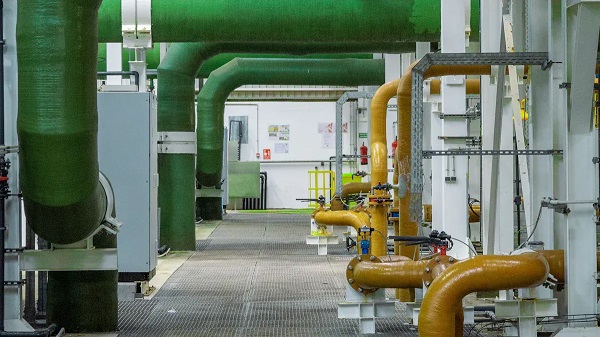
GRP pipe plays a vital role in industrial systems where reliability matters. Engineers often select GRP because it offers high corrosion resistance and a strong strength-to-weight ratio. These pipes handle high-pressure fluid transmission and provide improved damage predictability. Industries such as chemical processing, oil and gas, marine, and agriculture rely on GRP for its ability to solve real-world challenges. The practical benefits of GRP lead to safer, longer-lasting infrastructure and lower maintenance costs.
Key Takeaways
- GRP pipes offer exceptional corrosion resistance, making them ideal for harsh environments like chemical processing and sewage systems. This property leads to lower maintenance costs and longer service life.
- The lightweight nature of GRP pipes simplifies handling and installation, reducing labor costs and project timelines. This efficiency helps industries avoid costly delays.
- GRP pipes require minimal maintenance due to their smooth surfaces and resistance to rust. This feature saves money on repairs and ensures consistent performance over time.
- The strength and durability of GRP pipes allow them to withstand high pressures and external loads, making them reliable for critical applications in various sectors.
- Choosing GRP pipes can lead to significant cost savings in the long run, as they reduce downtime, maintenance needs, and the frequency of replacements.
Key Advantages of GRP in Industry
Glass-reinforced plastic pipes offer several key advantages that help industries overcome common challenges. These benefits make GRP pipe a preferred choice for many applications, from chemical processing to water management. The following sections explain how each advantage supports reliability, safety, and cost savings.
Corrosion Resistance
Corrosion resistance stands out as one of the most important features of GRP pipe. Unlike steel or concrete, GRP does not rust or crack when exposed to harsh chemicals, saline water, or corrosive soils. This property makes it ideal for chemical processing plants and sewage systems, where pipes often face aggressive environments.
- GRP pipes have a much higher resistance to corrosion than cast iron or carbon steel pipes because of their inert material composition.
- They maintain structural integrity in environments that quickly damage metal or concrete.
GRP pipes do not need extra coatings or cathodic protection, which reduces maintenance needs.
Note: GRP pipes are designed for a working life of 50-60 years, and some manufacturers estimate lifespans over 100 years. This long service life means fewer replacements and less downtime for industrial systems.
Lightweight and Easy Installation
GRP pipe is much lighter than traditional materials like steel or concrete. This lightweight construction brings several practical benefits to industrial projects.
- The reduced weight allows for easier handling and transport.
- Installation crews can move and position pipes with less heavy equipment.
- GRP pipes require less excavation, which saves time and labor costs.
Projects using GRP pipe often finish faster because of the material’s quick curing process and simple installation steps. This speed helps industries avoid costly delays and keeps operations running smoothly.
Low Maintenance
Low maintenance is another major advantage of GRP pipe. Because of its corrosion resistance and smooth internal surface, GRP requires less frequent cleaning and repair.
- The smooth surface prevents buildup and blockages, improving flow rates.
- GRP pipes do not suffer from rust or scale, which means fewer maintenance interventions.
- Industries save money on repairs and replacements over the lifespan of the system.
| Advantage | Contribution to Cost Savings |
| Lightweight construction | Reduces installation costs and time |
| Corrosion resistance | Minimizes maintenance and replacement costs |
| Hydraulic efficiency | Lowers energy consumption and enhances flow rates |
| Low maintenance costs | Decreases overall operational expenses over time |
Strength and Durability
GRP pipe combines strength with flexibility, making it suitable for demanding industrial environments. The material can handle high pressures and external loads without cracking or breaking.
- GRP pipes maintain their shape and performance even under heavy use.
- The durability of GRP means fewer failures and less downtime.
- Industries can rely on GRP for long-term service in critical applications.
| Pipe Material | Typical Lifespan |
| GRP Pipes | 50-60 years (up to 100 years) |
| Cast Iron | Shorter lifespan due to corrosion |
| Carbon Steel | Shorter lifespan due to corrosion |
Addressing Industrial Challenges
GRP pipe helps industries tackle several common challenges:
| Industrial Challenge | Description |
| High initial investment costs | Significant upfront costs deter adoption, especially among smaller businesses. |
| Limited awareness among smaller businesses | Many smaller enterprises are not fully aware of the benefits of GRP pipes. |
| Regulatory complexities | Emerging markets face hurdles due to complex regulations. |
| Supply chain disruptions | Interruptions in supply chains can affect the availability of GRP pipes. |
| Dependency on raw material availability | Fluctuations in raw material costs can impact pricing and market stability. |
Despite these challenges, the advantages of GRP pipe—such as corrosion resistance, lightweight design, low maintenance, and durability—lead to lower overall costs and improved reliability. For example, in sewage systems, GRP pipes can reduce costs by up to 40% compared to ductile iron pipes. In irrigation and cooling applications, they save thousands of dollars each year in energy and maintenance.
Choosing GRP pipe allows industries to build safer, more efficient, and longer-lasting systems. The combination of these advantages supports both immediate project needs and long-term operational success.
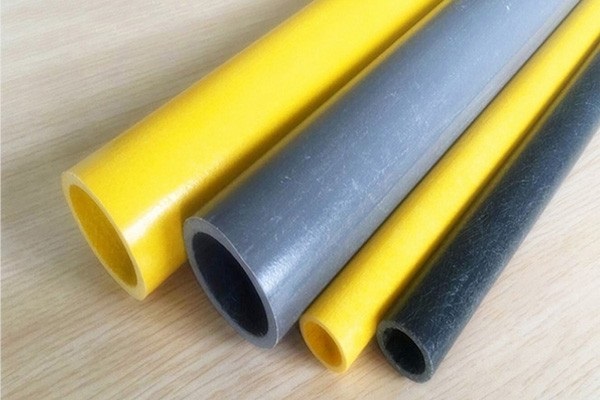
GRP Pipe Applications Across Industries
Glass-reinforced plastic pipes serve a wide range of applications in modern industry. Their unique properties make them a preferred choice for systems that demand reliability, durability, and efficiency. The following sections explore how GRP pipe supports critical infrastructure in diverse sectors.
Sewage and Wastewater Systems
GRP pipe plays a key role in sewage networks and wastewater management. Engineers select GRP for its resistance to corrosion and smooth internal surface. These features help prevent blockages and reduce maintenance. GRP pipes maintain structural integrity even when exposed to aggressive chemicals and fluctuating water pressure. Municipalities rely on GRP pipe to ensure safe and efficient water supply and waste removal.
Chemical Processing
Chemical processing plants require pipes that can withstand harsh environmental conditions and aggressive chemicals. GRP pipe offers excellent chemical resistance, especially when manufacturers use specialized resins. The following table shows how different resin types affect chemical resistance in GRP pipes:
| Resin Type | Chemical Resistance Level |
| Polyester Resins | Moderate resistance against corrosive chemicals. |
| Vinyl Ester Resins | Additional resistance against acids, alkalis, and solvents. |
| Epoxy Resins | Excellent resistance for costly aggressive chemicals. |
Operators in chemical processing facilities choose GRP pipe for its ability to handle high-pressure applications and maintain performance under extreme temperature tolerance.
Oil and Gas
The oil and gas sector faces frequent challenges with pipe failures due to fatigue and corrosion. GRP pipe provides a solution by offering high strength and resistance to these common failure types. The table below highlights the main issues in oil and gas installations:
| Evidence Type | Description |
| Failure-prone Components | Tubes and piping are identified as the most failure-prone components in the oil and gas industry. |
| Common Failure Types | Fatigue and corrosion are the most frequently reported types of failures. |
GRP pipe reduces the risk of leaks and downtime, making it a reliable choice for transporting fluids in harsh environmental conditions.
Industrial Cooling
Industrial cooling systems benefit from the efficiency and durability of GRP pipe. Unlike metal pipes, GRP does not rust or corrode, which extends service life and reduces maintenance. The table below compares GRP pipes with metal alternatives:
| Feature | GRP Pipes | Metal Pipes |
| Corrosion Resistance | Do not rust or corrode | Prone to rust and corrosion |
| Service Life | Up to 120 years | Shorter lifespan due to corrosion |
| Thermal Conductivity | Low thermal conductivity | Higher thermal conductivity |
| Maintenance Needs | Minimal maintenance required | Higher maintenance required |
| Efficiency Improvement | Reported 15% increase in efficiency | No significant improvement |
Facilities using GRP pipe in cooling systems report improved energy efficiency and lower operational costs.
Marine and Offshore
Marine and offshore projects demand materials that can withstand saltwater, high humidity, and constant exposure to harsh environmental conditions. GRP pipe excels in these settings due to its corrosion resistance and high strength-to-weight ratio. The following table summarizes the advantages of GRP in marine applications:
| Advantage | Description |
| Corrosion Resistance | GRP is resistant to corrosion, making it ideal for marine environments exposed to saltwater. |
| High Strength-to-Weight Ratio | GRP is lighter than metals but offers exceptional tensile strength, crucial for weight-sensitive applications. |
| Low Maintenance | Requires minimal upkeep compared to traditional materials, reducing life-cycle costs and downtime. |
| Durability in Harsh Environments | Exceptional resistance to corrosion, unlike metals that require regular maintenance to prevent rust. |
| Cost Savings | Durability leads to lower maintenance costs and fewer repairs, translating into overall cost savings. |
| Efficiency in Construction | Lighter weight facilitates easier handling, transport, and installation in marine settings. |
| Electrical Safety | Non-conductive properties enhance safety in environments with electrical equipment, reducing shock risks. |
| Reduced Life-Cycle Costs | Long-term savings in maintenance and repairs make GRP a cost-effective choice despite higher initial costs. |
Marine engineers prefer GRP pipe for its reliability and safety in offshore installations.
Agriculture and Irrigation
GRP pipe supports agriculture and irrigation systems by improving water usage efficiency. Farmers and irrigation managers value GRP for its leak-tight joints and excellent flow properties. The table below outlines the main benefits:
| Advantage | Description |
| Leak-tight pipe wall and joint | Prevents infiltration and loss of precious water. |
| Excellent flow properties | Results in lower pumping costs. |
| Low maintenance needs | Minimal slime build-up and high abrasion resistance reduce upkeep. |
GRP pipe helps conserve water and reduce energy costs in agricultural applications.
Bridge Drainage
Bridge drainage systems require pipes that can withstand long-term exposure to weather and chemicals. GRP pipe demonstrates exceptional durability in these applications. Studies show that GRP pipes can last up to 150 years. For example, a Flowtite GRP diffuser analyzed after 33 years of harsh exposure showed minimal degradation. Another sample exposed to acid for over 40 years maintained a threshold strain well below typical operating conditions, providing a significant safety margin. Engineers trust GRP pipe for bridge drainage due to its proven longevity and reliability.
Mining Operations
Mining industry applications often involve abrasive materials and harsh environmental conditions. GRP pipe offers high abrasion resistance and maintains performance under heavy loads. Mining operators use GRP pipe to transport slurry, chemicals, and water supply with minimal maintenance. The durability and leak-tight design of GRP pipe help reduce operational costs and improve safety in mining operations.
Fire Fighting Systems
Fire fighting systems require pipes that can handle high-pressure applications and extreme temperature tolerance. GRP pipe made with epoxy resin provides a high-strength matrix and thermal stability up to 110°C. These pipes can withstand pressures up to 250 bar and meet UL94-V0 fire resistance standards. The glass fibers in GRP pipe are designed for high-pressure loads, ensuring reliable performance in fire protection networks.
| Property | Description |
| Material | Epoxy Resin |
| Strength | High-strength matrix |
| Thermal Stability | Tg: ~110°C |
| Pressure Capacity | Up to 250 bar |
| Fire Resistance | UL94-V0 rating for safety enhancement |
| High-Pressure Handling | Glass fibers designed for high-pressure loads in fire protection networks |
GRP pipe provides a safe and dependable solution for fire fighting systems in industrial and commercial buildings.
Water Purification
Water purification plants rely on GRP pipe for transporting clean water and chemicals. The smooth interior surface of GRP pipe prevents contamination and supports efficient flow. Operators choose GRP pipe for its resistance to corrosion and ability to maintain water quality over time. GRP pipe helps ensure safe water supply for communities and industries.
GRP pipe demonstrates versatility and reliability across a broad spectrum of applications. From sewage networks to mining industry applications, GRP supports critical infrastructure in environments where other materials may fail. Its durability, efficiency, and low maintenance needs make it an essential component in modern industrial systems.
Solving Industry Challenges with GRP Pipe
Reducing Downtime
Downtime can disrupt production and increase costs in any industry. GRP pipe helps companies keep operations running smoothly. Many facilities using GRP pipes with EFW® Technology report significant savings. They see less spending on raw materials and lower costs for scrap and repairs. These pipes also extend the lifespan of critical infrastructure. In high-traffic sites, GRP can increase the lifespan of pipes by decades. This durability means fewer leaks and less time spent on repairs, which helps avoid costly interruptions.
- Companies notice a decrease in downtime after switching to GRP.
- The method helps prevent leakage, supporting efficient operations.
- Mining operations benefit from fewer shutdowns and improved safety.
GRP pipe offers a practical solution for industries that want to maximize uptime and reduce unexpected stoppages.
Enhancing Reliability
Reliability is essential for continuous processes. GRP pipes transport aggressive substances in factories, showing strong corrosion resistance. Chemical manufacturing facilities have reported a 25% reduction in downtime after switching to GRP piping systems. This improvement highlights the reliability and easy maintenance of these pipes. GRP supports stable performance in harsh environments, making it a trusted choice for critical systems.
- GRP resists corrosion, even with harsh chemicals.
- Facilities experience fewer failures and longer service intervals.
- The material’s durability ensures consistent operation.
Meeting Safety Standards
Safety remains a top priority in every industry. GRP pipe helps companies meet strict safety standards. The material does not corrode or release harmful substances into the environment. Its smooth surface prevents buildup, reducing the risk of blockages and contamination. GRP also withstands high pressure and temperature, which is important for fire fighting systems and water purification plants.
| Safety Feature | Benefit |
| Non-corrosive | Prevents leaks and environmental harm |
| High pressure rating | Handles demanding applications |
| Smooth interior | Reduces contamination risk |
By choosing GRP, industries can improve safety, protect workers, and ensure compliance with regulations.
Real-World Industry Case Studies
Chemical Plant Success
Chemical plants often face challenges with pipe damage and leaks. In one case, a team repaired external surface damage on a grp pipe using Superfast Steel Epoxy Putty. The repair restored the pipe’s integrity quickly and kept operations running. Another analysis showed that grp can degrade in acidic environments if not designed and constructed properly. Engineers learned to select the right materials and follow best practices for installation. In a separate emergency, a leaking grp pipe in a chemical processing line required immediate attention. Workers applied a UPS ThistleBond Emergency Pipe Repair Bandage. The fast repair minimized downtime and prevented chemical spillage. These examples show how grp supports reliability and safety in chemical processing.
Power Generation Projects
Power plants rely on durable piping systems for cooling water and other critical functions. Many facilities choose grp for its long-lasting performance in harsh conditions. The following table highlights key benefits reported in power generation projects:
| Benefit | Description |
| Durability | GRP pipes are known for their long-lasting performance in harsh conditions. |
| Corrosion Resistance | They resist corrosion, making them ideal for cooling water systems. |
| Reliable Performance | Ensures consistent operation in demanding environments within power plants. |
Engineers value grp for its ability to maintain reliable performance and reduce maintenance needs. These qualities help power plants avoid unexpected shutdowns and keep energy production stable.
Marine Facility Upgrades
Marine facilities require piping systems that withstand saltwater and harsh weather. Reports show a growing demand for grp in marine applications. Facility managers recognize the benefits of grp, such as corrosion resistance and durability. Upgrades using grp improve infrastructure and support long-term operations. The industry continues to invest in grp solutions to enhance safety and efficiency in marine settings.
Tip: Facility managers in mining and marine sectors often select grp for upgrades because it offers proven reliability and reduces life-cycle costs.
GRP Pipe vs. Traditional Materials
Industrial systems often require materials that can withstand demanding environments. Engineers compare fiberglass-reinforced plastic pipes with traditional options to determine the best fit for each application. The following sections highlight how GRP performs against steel, PVC, and concrete.
GRP vs. Steel
Steel pipes have served industry for decades. They offer high strength and can handle heavy loads. However, steel is prone to corrosion, especially in chemical plants and marine settings. GRP provides a solution with its non-corrosive properties. This material resists rust and chemical attack, which extends service life and reduces maintenance. Workers find GRP easier to transport and install because it weighs less than steel. Steel pipes often need protective coatings and regular inspections. GRP requires less upkeep, saving time and money.
| Feature | GRP | Steel |
| Corrosion Resistance | Excellent | Poor |
| Weight | Lightweight | Heavy |
| Maintenance | Low | High |
| Lifespan | Long | Shorter |
Tip: GRP helps facilities lower operational costs by reducing the need for frequent repairs and replacements.
GRP vs. PVC
PVC pipes appear in many low-pressure systems. They cost less and resist some chemicals. However, GRP outperforms PVC in strength and durability. GRP has a high strength-to-weight ratio and resists cracking under stress. PVC is more brittle and may fail in harsh conditions. GRP operates in a wider temperature range, from -40°C to 120°C. PVC works only between 0°C and 60°C. GRP suits high-pressure and chemical transport, while PVC fits drainage and light-duty uses.
- GRP shows superior strength and flexural performance.
- GRP resists corrosion in chemical processing and wastewater treatment.
- GRP handles hot water and aggressive fluids better than PVC.
GRP vs. Concrete
Concrete pipes provide stability and resist external pressure. They are heavy and difficult to install. GRP offers similar durability but weighs much less. Workers can install GRP pipes faster and with less equipment. Concrete may crack over time, especially in corrosive environments. GRP maintains its shape and performance for decades. Facilities choose GRP to avoid frequent repairs and to improve efficiency.
| Feature | GRP | Concrete |
| Weight | Lightweight | Heavy |
| Installation Speed | Fast | Slow |
| Corrosion Resistance | Excellent | Moderate |
| Flexibility | High | Low |
Facilities that switch to GRP often see improved reliability and lower life-cycle costs.
Industry experts recognize the vital role of GRP pipes in industrial applications. Surveys highlight their strength, durability, and corrosion resistance, which support a long lifespan. The market continues to grow as companies seek reliable solutions.
| Recommendation | Explanation |
| Corrosion Resistance and Longevity | GRP pipes excel in underground water pipelines. |
| Cost-Effectiveness and Maintenance | Lower lifecycle costs benefit aging infrastructure. |
NHC provides trusted products for those seeking dependable GRP solutions.
FAQ
What makes GRP Tube different from other industrial pipes?
GRP Tube uses glass fibers and resin to create a strong, lightweight structure. This design gives it high resistance to corrosion and damage. Many industries choose GRP Tube for its long lifespan and easy installation.
Can GRP pipe systems handle high-pressure applications?
Engineers use grp pipe systems in many high-pressure environments. These pipes maintain their shape and strength under heavy loads. Facilities trust GRP Tube for reliable performance in demanding conditions.
How does resistance to chemicals benefit industrial operations?
GRP Tube resists acids, alkalis, and other harsh chemicals. This resistance protects pipes from damage and reduces maintenance. Chemical plants and wastewater facilities rely on GRP Tube for safe fluid transport.
Is GRP Tube suitable for underground installations?
GRP Tube works well underground. It resists soil chemicals and moisture. Its lightweight nature makes installation faster and easier. Many water supply and sewage projects use GRP Tube for buried pipelines.
What maintenance do GRP Tube pipes require?
GRP Tube pipes need minimal maintenance. Their smooth surface prevents buildup and blockages. Operators inspect pipes regularly, but repairs are rare. This low maintenance saves time and money for industrial facilities.