


Fiberglass Railings: Advantages, Disadvantages, and Safety Benefits
You can protect your team with fiber-reinforced polymer systems. Manufacturers build these strong barriers by putting glass fibers inside plastic resin. You see people using them more often in industrial, commercial, and home spaces today. Installing a fiberglass railing gives you great strength against severe weather. Modern fiberglass railings also improve worker safety because they do not carry electricity. Normal steel systems rot or rust as time passes. On the other hand, fiberglass barriers reduce long-term care costs.
| System Material (1,200 ft Scope) | 20-Year Total Cost | Cost Savings |
|---|---|---|
| Steel Guardrails (Projected) | $183,000 | — |
| FRP Guardrails (Actual) | $115,000 | 37% |
Old-style railings need regular painting, but FRP barriers lower total long-term expenses.
Fiberglass railings lower upkeep expenses since they never rust, decay, or require new paint.
Non-conductive fiberglass material keeps workers safe from dangerous electric shocks and hot surface burns.
Higher starting prices are worth it because the material lasts a long time and saves money on repairs.
Special diamond-tipped equipment and protective face masks help workers correctly install the railings at the site.
Light fiberglass parts make it easy to move and install them in tough chemical or beach areas.
What Is a Fiberglass Railing System?
Pultrusion Technology Explained
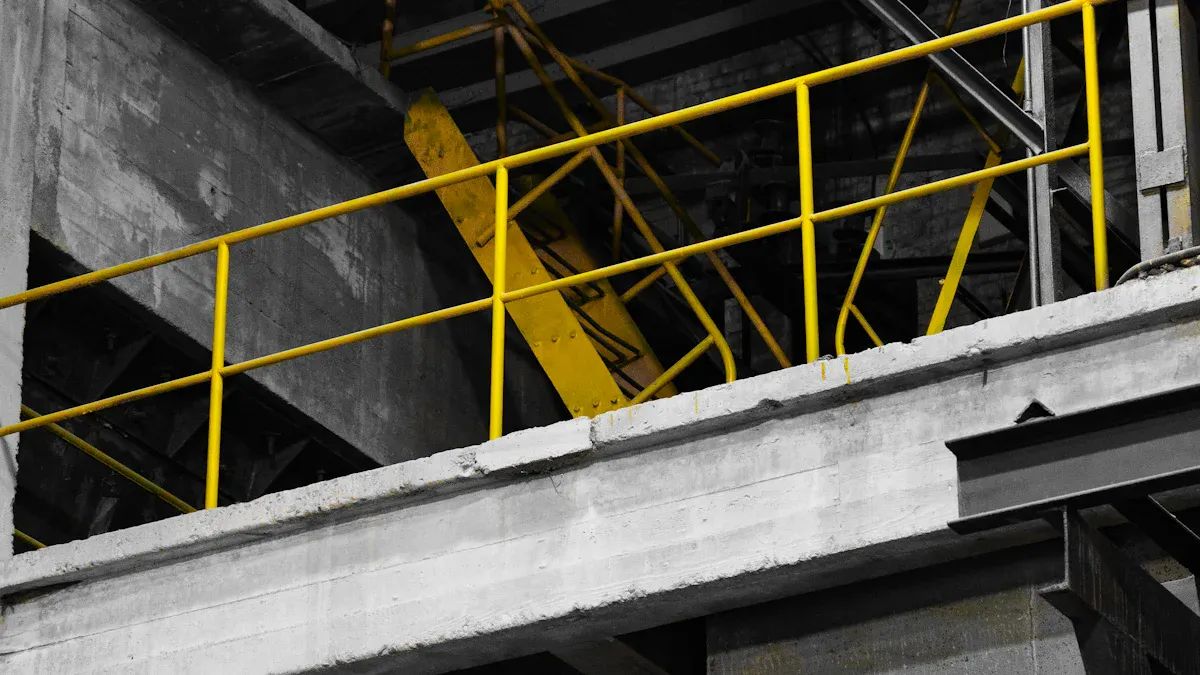
Workers build protective barriers with pultrusions created through a constant making method. Plants pull ongoing glass strands through liquid resin pools to make strong composite shapes. Engineers pick resins for chemical needs, choosing vinyl ester, phthalic acid, ISO, or epoxy resin matrices. Pultruded fiberglass parts usually hold 65-75% glass fibers by total weight. Thermosetting resin makes up the rest of the full mass.
FRP structural pultrusions combine fiberglass reinforcements with thermosetting resin systems to form continuous composite shapes, a high-performance engineering material widely validated in industrial applications [1].
This steady method guarantees consistent value through every manufacturing run:
Raw Materials: Workers mix liquid resins, chemical additives, and long glass strands.
Saturation: Machines pull strong glass fibers through a bath filled with liquid resin.
Pulling and Forming: Tension tools drag wet glass into hot steel dies for shaping.
Curing: High heat within the steel die hardens the resin matrix into solid form.
Common Structural Profiles
You may select various basic layouts to fit design goals in industrial sites. Factories build structural FRP shapes as round tubes, square tubes, channels, angles, and flat bars. Safe walkways need sturdy railings that defend workers from dangerous falls. A complete fiberglass railing setup uses exact tube dimensions to fulfill hard safety rules. Round tube layouts use 50mmx5mm tubes for posts, toprails, and midrails. Otherwise, square styles use special hollow forms to secure optimal frame balance.
Square Tube Post: 50x50x6.35mm square tube configuration
Toprail: 39x50x6.35mm square tube configuration
Midrail: 38x5.25mm round tube configuration
Kickboard: 150x3mm kick plate profile
Factory guardrails must endure hard strikes and strong, steady force loads. Pultruded fiberglass parts offer tensile strength measuring 30,000 psi (207 MPa) or more. The shape holds flexural strength up to 30,000 psi (207 MPa) with compression limits hitting 35,000 psi (241 MPa). This mixed material also reaches an elastic modulus level near 2.5 × 10⁶ psi (17.2 GPa).
Key Advantages of Fiberglass Railings
Low Maintenance and Long Lifespan
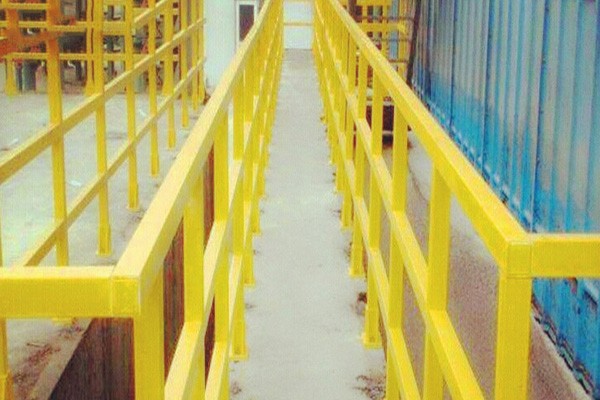
You save plenty of time and money by setting up fiberglass railings in your industrial plant. Traditional metal railings need constant sanding, sealing, and repainting to prevent surface damage. Modern composite materials completely remove the need for this continuous labor. Your maintenance team must only use soap and water to keep the barriers clean. This predictable, easy upkeep directly lowers overall repair costs for facility managers over time.
Research on long-term value shows that composite guardrail care costs just 20% of steel upkeep. Your building management team stops buying specialty rust sprays, chemical coatings, and extra paint. Pultruded composite railings offer a reliable service life up to 20 years without breaking down. This impressive lifespan stretches your starting purchase cost across two full decades of continuous physical safety. As a result, your overall 75-year upkeep expense drops to 15-25% of standard steel projects.
Corrosion and Weather Resistance
Pultruded fiberglass railings contain no metal parts inside their strong artificial structure. Thanks to this non-metal build, these safety barriers never rust, rot, or break down over time. The resin mixture stays calm when hit with salt ocean spray, strong acids, industrial fuels, and harsh cleaners. While metal choices decay fast near salt water, composite shapes keep their full pulling strength between 70,000 and 100,000 psi. This natural material toughness prevents structural weakness near chemical work areas.
Outdoor setups need tough materials that endure harsh weather without cracking. Modern fiberglass railings resist absorbing water, cold freezing temperatures, and severe summer heat. These sturdy railings keep their exact original shape without warping, rusting, or splintering. Managers pick these strong systems because they offer reliable performance on coastal walkways, offshore oil rigs, and water treatment plants. By swapping out weak wood or metal, fiberglass railings create safe zones that protect your workers every day.
Safety Benefits of FiberglassNon-Conductive and Thermal Safety
Standard metal railings carry dangerous electric currents during sudden power supply failures or transformer surges. You protect your industrial workers from severe electric shocks by installing fiberglass railings across high-voltage sites and power distribution hubs. This strong fiberglass material provides high electrical resistance with zero electromagnetic behavior. It withstands 10KV without voltage breakdown during rigorous testing. The non-metallic structure generates no electric spark during daily operations, delivering ultimate electrical safety for electrical maintenance crews.
Extreme working temperatures make uncoated steel railings absorb heat quickly, burning human skin easily upon physical contact. Non-metal fiberglass safety barriers resist fast thermal transfer and maintain stable surface temperatures even under harsh solar exposure. The composite shape holds high heat resistance and excellent dielectric properties across changing weather conditions.
Two primary industry testing standards confirm these vital thermal and electrical insulation features, which align with core occupational safety requirements for guardrail systems [2]:
ASTM D-495: Verifies high-voltage dry arc resistance to prevent dangerous electrical breakdown.
ASTM E-84: Measures surface burning characteristics to control flame spread and heat generation.
Fire Retardancy and Slip Resistance
Accidental fires threaten chemical processing plants, offshore oil platforms, and fuel storage areas every day. Advanced resin matrices give pultruded fiberglass strong fire retardancy without losing physical structural strength. The material achieves an oxygen index of 32 or higher, allowing it to self-extinguish when exposed to active flames. Outdoor fiberglass railings eliminate blinding glare hazards on sunny marine walkways and open elevated platforms. A soft, non-reflective surface finish protects worker vision and eye comfort during long daytime shifts near water surfaces.
You can enhance visual warning cues around dangerous facility walkways and high-risk mechanical zones. Bright protective railings alert busy technicians to steep drop-offs, floor openings, and heavy moving machinery. Industrial facilities select high visibility safety color options including safety yellow, green, gray, and red. Custom fabricators mix these durable liquid pigments directly into the resin matrix during heat curing. Consequently, installed fiberglass railings maintain their clear protective colors for decades without peeling, flaking, or requiring fresh paint touch-ups.
Disadvantages of a Fiberglass Railing
Higher Initial Purchase Cost
Buying composite safety rails costs more money upfront than basic steel or wood options. Factories use expensive raw materials, like top-grade artificial resins and long glass fibers, to make these pultruded shapes. This heated process demands careful factory climate settings and skilled workers to run the machinery correctly. Because of these factors, ordering a new fiberglass setup calls for a bigger starting investment for your building job.
Project leaders and finance teams often fixate on this initial hardware price during early shopping. Yet, looking only at the starting bill hides the true long-term value of these composite setups. Standard metal fences constantly steal money for rust treatments, chemical washes, and new paint coats. On the flip side, modern composite materials stop routine maintenance needs throughout their entire lifespan. Your total operational expenses drop sharply over time despite the bigger starting tag.
Specialized Fabrication Needs
Customizing composite safety rails on the job site takes special tools and proper construction steps. Common wood saw blades or metal grinders can shred the glass fibers during quick cutting routines. You need to use sharp, diamond-coated saw blades to make smooth, clean cuts on your fiberglass setup. Using proper cutting gear stops surface cracks, prevents internal layer separation, and keeps every rail piece strong across your job site.
On-site workers must also follow strict health safety rules whenever they cut, sand, or drill these shapes. Cutting composite parts creates fine glass dust that irritates human skin and breathing passages. Installation teams require vacuum equipment, proper safety glasses, and dust masks to manage site safety well. Your building management team must arrange the right tools and safety plans before starting physical assembly. Proper planning avoids sudden project delays and guarantees a smooth setup while keeping future care easy for your team.
Ideal Applications for Fiberglass Systems
Marine and Coastal Environments
Ocean air damages traditional metal barriers through harsh salt corrosion. You can protect your coastal structures by installing fiberglass railings along boardwalks, piers, docks, and offshore platforms. Constant saltwater spray rusts carbon steel rapidly. In contrast, durable fiberglass materials withstand severe ocean weather and continuous water exposure without physical breakdown. You maintain structural integrity across harsh marine environments without buying expensive protective sealants, surface coatings, or specialized rust inhibitors.
Lightweight composite components weigh less than half the weight of traditional steel systems. You cut shipping expenses during product transit to remote coastal sites. Versatile fiberglass outperforms metal in humid salt air environments. Your installation crew places these modular railing sections quickly using standard hand tools. This easy assembly reduces total installation labor hours, simplifies on-site material handling, and eliminates heavy equipment rental costs. Specialized polyurethane coatings protect outdoor barrier surfaces against intense solar radiation and severe weathering.
Industrial and Chemical Facilities
Chemical processing facilities require robust safety barriers around liquid tanks, containment dikes, and elevated walkways. You achieve total corrosion resistance by placing fiberglass railings near aggressive processing liquids and hazardous chemical vapors. High-grade fiberglass inherently resists most industrial acids without losing physical strength over time. However, you must avoid specific harsh chemical compounds like hydrofluoric acid and hot phosphoric acid during initial facility layout design and structural project planning.
Plant operations experience expensive operational downtime whenever repair crews stop active production for routine maintenance. You eliminate scraping, sandblasting, and repainting tasks completely across your processing facilities. Selecting non-conductive railings protects maintenance technicians working near high-voltage electrical equipment and power distribution units. Installing customized fiberglass railings secures long-term site safety, protects plant personnel, and lowers total operating costs while traditional metal railings decay rapidly in corrosive working areas.
Fiberglass vs Traditional Railing Materials
Fiberglass vs Steel and Aluminum
Comparing weight, strength, and overall costs helps you choose the right safety barrier. Heavy steel weighs four times more than light composite material. Aluminum options also weigh one-third more than these lightweight shapes. Because composite setups are so light, workers move and place them without big cranes. Additionally, composite choices offer incredible strength without adding any extra heavy weight. Their flexible design helps the entire frame stay strong after heavy hits.
Metal barriers need constant care to prevent gradual damage and rotting over time. Maintenance teams must check steel often for flaking paint, rust, and weakness. While aluminum fights rust better than steel, it still needs regular care and costs more over time. On the flip side, fiberglass barriers never need painting, sanding, or rust removal. Replacing metal with fiberglass saves big money by cutting out endless repair chores.
| Material | Weight Comparison | Strength Profile | Maintenance Needs |
|---|---|---|---|
| Fiberglass (FRP) | 1/4 weight of steel; 2/3 weight of aluminum | Superior strength-to-weight ratio; high flexural strength | Very low; basic cleaning only |
| Steel | Heaviest option | High strength; lower strength-to-weight ratio | Highest; needs regular painting and rust treatments |
| Aluminum | Heavier than composite choices | Good strength; deforms under high force | Moderate; needs periodic surface care |
Fiberglass vs Wood Railings
Cheap wood barriers help reduce spending on simple outdoor building tasks. Unfortunately, natural wood soaks up water quickly and rots in wet outdoor spaces. Hungry bugs also chew through soft wooden posts, weakening the safety frame over time. Facility team members spend extra time painting, staining, and sealing these wooden railings. As a result, old-fashioned wood barriers cause expensive long-term repair costs.
You fix these outdoor problems by picking synthetic fiberglass parts instead. Tough resin mixes help fiberglass railings block rot, weather damage, and hungry pests completely. Buying initial supplies usually costs between $40 and $70 per linear foot. You save money overall because non-metallic fiberglass railings skip unending repair work. Basic soap-and-water cleaning keeps these modern barriers looking fresh and strong for decades.
Looking for Custom Fiberglass Railing Solutions for Your Facility?
Our ISO-compliant FRP railing systems are engineered for harsh industrial, coastal and chemical environments, with full custom fabrication support and professional structural design services. Get a free project assessment and detailed quote today.
Request Free QuoteFAQ
A fiberglass railing usually stays strong for about 20 years outdoors. This tough composite material easily withstands salt spray, harsh weather, and rot. You just need basic soap and water to keep these barriers clean during their long lifespan.
No, these strong structural barriers never carry electricity or heat. They safely block 10KV without breaking down, protecting your team from shocks. The material also stays cool in sunlight, which stops skin burns near high-voltage work areas.
You can care for these non-metallic rails easily using simple soap and water. Unlike steel options, composite systems never rust, rot, or break down over time. You completely skip sandblasting, chemical sealing, and yearly repainting across all your facilities.
Yes, composite options weigh much less than standard metal railing setups. FRP profiles weigh one-fourth as much as steel and two-thirds as much as aluminum. Your workers can move and install light sections fast with hand tools instead of renting heavy gear.
You can pick round or square tube configurations for your specific building needs. Makers mix colorful pigments like safety yellow, green, gray, and red into the resin matrix. These tough railings keep their bright colors for decades without peeling or flaking off.
You balance higher purchase prices against long-term durability and non-conductive safety when selecting industrial guardrails. Traditional metal structures rot or rust over time. In contrast, fiberglass railings provide low maintenance performance across two decades of service. You must evaluate your site requirements before choosing a barrier. Consider chemical exposure, electrical hazards, and severe outdoor weather conditions carefully. Nanjing Hypro Composites Co., Ltd. (NHC) manufactures high-quality fiberglass railing options for demanding environments. You receive ISO-compliant systems and custom fabrication support from NHC. Choose a modern fiberglass product to protect your facility workforce efficiently. Strong fiberglass material lowers lifecycle expenses while securing your operations. These durable fiberglass railings defend everyday workers effectively.
American Chemical Society. Fiber-Reinforced Polymer. Retrieved from https://www.acs.org/content/acs/en/molecule-of-the-week/archive/f/fiber-reinforced-polymer.html
Occupational Safety and Health Administration. 1910.23 - Guardrail systems. Retrieved from https://www.osha.gov/laws-regs/regulations/standardnumber/1910/1910.23