


Choosing the right deck material means balancing your specific location with your long-term performance needs. Standard inland homes benefit from aluminum railings because they have low starting costs and sleek, modern styling. On the other hand, extreme coastal, industrial, or high-humidity areas need specialized fiberglass railing instead. Advanced fiberglass provides the best resistance to chemicals, salt, and electricity under harsh operating conditions.
This guide gives you an honest technical review to help you choose the best deck railing. You will compare classic aluminum against composite choices using key building standards. These standards include strength, basic care, total long-term value, design flexibility, and environmental safety for your property.
Aluminum railings are cheaper to buy at first, and they are a great choice for houses located away from the ocean.
Fiberglass railings never rust from salt water in ocean areas.
Aluminum posts need regular cleaning to prevent surface damage.
Fiberglass materials need very little cleaning and never need to be repainted.
Fiberglass bends when struck hard and returns to its original form.
Non-conductive fiberglass railings block electricity and protect family members who are near power tools.
Durability: Fiberglass Railing vs Aluminum Railings
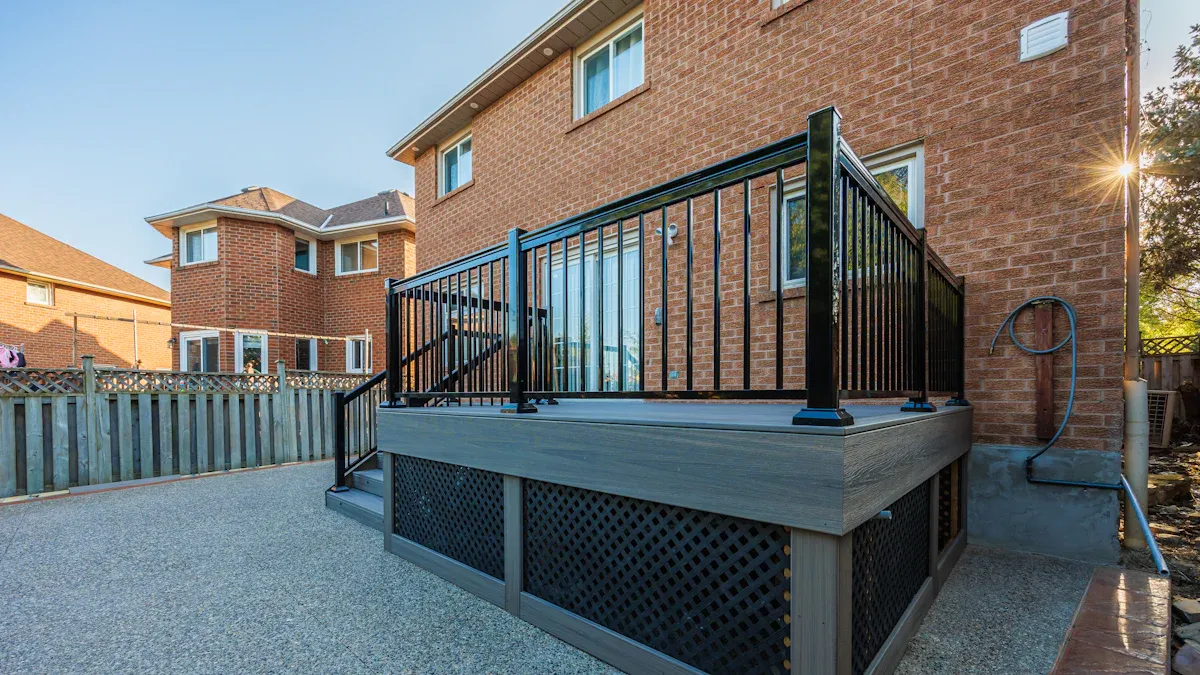
Structural Pros of Aluminum Railings
Powder Coating Resistance to Oxidation
Basic factory paint guards metal parts against fast rust. Companies spray on AAMA 2604 powder coatings to block out water. This smooth layer resists chipping and withstands 3,000 hours of salt spray tests.
Strong 6061-T6 alloy powers the metal frame. This material provides a solid yield strength of 276 MPa. The hard outer shell protects the frame during normal outdoor use.
Performance in Standard Inland Climates
Metal handrails work great across average inland locations. These designs deliver high durability inside low-humidity areas. You get simple, neat styles without fast surface damage.
Dry air puts very little chemical pressure on posts. Standard aluminum railings easily handle standard horizontal code loads of 50 lb/ft. They fit everyday suburban yards nicely.
Corrosion Resilience of Fiberglass Systems
Pultruded GRP Immunity to Saltwater
Salty ocean air breaks down old-school metal fast. Pultruded fiberglass outdoor deck railings never suffer from rust or ocean damage. The non-metal design never rots or weakens close to ocean waves.
Makers build glass-reinforced plastic using long glass fibers. This design delivers incredible tensile strength. Your fiberglass outdoor deck railings keep their original shape near tough ocean air.
Weathering and Thermal Stability
Changing weather forces most deck parts to stretch and shrink. Composite shapes feature a low thermal expansion rate of 10 to 20 × 10⁻⁶/K. This matches concrete closely and keeps your connections tight.
Built-in fire protection offers extra safety during extreme heat. Anti-static features stop quick shock buildups along handrails. The sturdy material lasts for years without cracking under hot sunlight.
Material Strength and Impact Performance
Flexural Resistance Under Heavy Loads
Hard hits often bend regular porch parts forever. Pultruded fiberglass reaches a high lengthwise flexural strength of 30,000 psi. The inner glass mat spreads force evenly across the whole rail.
| Material Property | Pultruded FRP/GRP | Aluminum 6000 Series |
|---|---|---|
| Ultimate Flexural Strength (Lengthwise) | 30 ksi | 35 ksi |
| Modulus of Elasticity | 2.8 × 10⁶ psi | 10 × 10⁶ psi |
| Impact Behavior | Absorbs impact without permanent deformation | Can deform permanently under heavy impact |
The composite guard flexes under pressure and snaps right back into place. This helpful spring action protects your deck safety fence from accidental hits.
Surface Glare and UV Endurance
Hot sunshine produces painful surface heat and bright light. Thick fiberglass soaks up sunlight and blocks blinding glare completely.
Looking at other railing materials helps show clear pros and cons for outdoor yard plans. Tough resin mixes lock in color while offering great scratch resistance. Picking fiberglass railing guarantees lasting safety and neat looks for years.
Upkeep and Maintenance Requirements
Care Routines for Aluminum Decking
Keeping metal guards in good shape requires regular cleaning habits. Your local weather decides how often to check hardware parts and wipe away dirt.
Salty air quickly ruins powder finishes near ocean beaches. You need a strict cleaning plan to keep strong moisture from rusting your structural aluminum frames.
Washing Cycles to Prevent Oxidation
High-salt areas need weekly freshwater rinses to stop surface rust on your aluminum railing. Standard beach spots need monthly washes with mild soap and clean water to remove salt before damage starts.
| Maintenance Task | Frequency | Coastal Recommendation |
|---|---|---|
| Fresh-water rinse | Weekly to monthly | Rinse salt deposits after storms |
| Mild soap wash | Monthly | Clear surface residue and grime |
| Fastener inspection | Yearly | Check exposed hardware for rust |
| Touch-up repair | Promptly | Repair scratches to prevent oxidation |
Rinse off heavy salt layers right after big ocean storms. Consistent cleaning keeps the surface shining bright, protects product looks, and preserves your factory warranty.
Scratch Touch-Ups and Coating Care
Hard bumps can easily scratch the protective outer paint layers. Inspect visible parts every month for chips, and fix deep cuts fast to stop frame rust.
Powder-coated aluminum railing needs fresh paint every 3 to 5 years in harsh ocean air. Salty weather causes complete structural metal failure within 15 to 20 years.
Long-Term Maintenance of Fiberglass
Pultruded fiberglass composite parts save you from hard weekend work. Homeowners love how non-metal composites need very little care on modern deck builds.
Composite materials handle bad weather shifts without needing liquid wood sealers. You enjoy amazing strength without buying anti-rust chemicals or painting your railings every single year.
Washing Methods for Dust and Mold
Washing composite fiberglass surfaces always takes very little physical effort. Just rinse off light dust or surface mold using fresh water and gentle soap whenever necessary.
This easy care routine keeps your fiberglass deck clean and bright. Smooth resin outer layers block deep mold and stubborn dirt all through humid summer months.
Color-Fast Surface Resin Retention
Modern resin mixes trap rich color pigments right inside the core material. Advanced fiberglass profiles hold their solid strength while easily blocking harsh sunlight and hot UV rays.
Pultruded fiberglass guard rails need zero paint over a long 20 to 30 year lifespan. Choosing low-maintenance fiberglass railing fully removes future repair costs for your home.
Cost and Value Comparison: Aluminum vs Fiberglass
Initial Purchase and Installation Expenses
Upfront Price of Prefabricated Aluminum
You need to check your main project budget before putting up a new outdoor porch. Standard metal handrails offer low store prices for simple home building jobs. Simple factory kits give basic setup options for normal suburban yards.
Local hardware stores sell ready-to-use metal rail kits at about $70 per linear foot for parts only. Common metal parts cost from $40–$70 per linear foot for raw pieces, while fully installed setups run $80–$150 per linear foot.
| Railing type | Upfront material cost per linear foot | Notes |
|---|---|---|
| Aluminum railing | $40–$70 | Material-only retail range; installed cost is roughly $80–$150. |
| Prefabricated aluminum rail kits | ~$70 | Quoted in some markets for materials only; hardware, cuts, and labor are billed separately. |
Upfront Investment for Composite Systems
Buying sturdy fiberglass outdoor deck railings takes more money at the start. Making tough composite profiles requires glass materials that raise the base store cost. Modern composite styles target long-term yard safety instead of the lowest store price.
You spend extra money upfront for custom composite shapes. Still, light composite rails trim shipping weight and help speed up your total setup job. Heavy metal posts frequently need extra workers to carry them during build time.
Long-Term ROI and Life-Cycle Value
15-Year Life-Cycle Cost Breakdown
You save cash over time when you add up total care costs for your porch frame. Metal posts slowly break down in tough weather and need costly replacement hardware. You drop lifetime costs by choosing tough outdoor materials.
Adding fiberglass outdoor deck railings guards your family investment across fifteen full years. Tough composite material fights off heavy sea salt spray and sour moisture without rotting away. Regular metal frames often show surface pits in beach areas over time. Plain metal rusts when exposed to harsh sea air.
Operational Savings from Zero Painting
Usual care work adds surprise costs to your basic home spending plan. Regular metal parts need steady paint repairs and clear sealers to block quick surface rust. Shaped metal frames need frequent checks for damage.
Solid composite profiles totally drop repainting work throughout their whole useful life. You lock in steady money savings since non-metal composite frames keep their original color without chemical sprays. A modern composite railing safeguards your house value. You gain better fence power by using updated deck supplies. Sturdy fiberglass offers long-lasting strength.
Looking for a Durable, Low-Maintenance Railing for Coastal or Industrial Use?
Get custom fiberglass railing specifications and factory-direct pricing from NHC FRP's technical team.
Request a Free QuoteDesign Options and Style Flexibility
Sleek Look of Metal Railings
Slim Frames for Cable and Glass Panels
Choose thin frames to build clean visual lines on your deck. Modern aluminum top rails support slim posts easily, leaving wide spaces for clear glass or tight cables. You keep family members safe while keeping your yard view clear.
Narrow metal frames secure your deck edge without blocking light. You enjoy wide outdoor views straight across your yard. These thin posts fit right into modern house styles, giving your porch a neat look without bulky barriers.
Standard Color Choices for Metal
Factory coatings give metal frames a smooth outer finish. You can pick standard powder-coated colors that match your house trim and siding. Popular options include white, dark charcoal, and soft bronze, and this outer layer helps keep out simple water droplets during dry weather.
Standard metal finishes guard posts against light scuffs from daily use. Each connected post keeps the exact same color for a matching style. You get a clean look for suburban yards, and light dust wipes off easily to keep your deck looking new.
Design Options for Composite Systems
Custom Pipe Shapes and Structural Parts
Versatile fiberglass parts give you flexible options for any deck layout. Factories make round composite tubes in sizes from a half-inch up to 14 inches wide. You can also buy square posts up to seven inches wide for main support columns.
These shapes fit together easily across complex build projects. You can join telescoping tubes, bottom kickboards, floor mounts, and corner connectors into a full railing setup. This flex gives composite parts high usability for tough deck jobs.
Built-In Colors and Protective Resins
You can pick special resin mixes that match tough outdoor spots. Makers build composite shapes using vinyl ester, epoxy, or ISO resins. These liquids lock color deep inside while providing strength against bad weather.
Solid composite profiles remove the need for paint touch-ups completely. You select standard colors like yellow, gray, black, green, or red right from the factory. Modern fiberglass railings hold their color in hot sunlight without peeling or cracking over time.
Application Guide for Fiberglass Outdoor Deck Railings
Ideal Scenarios for Aluminum Railings
Residential Decks in Mild Climates
Select powder-coated aluminum railings for mild inland areas with lower humidity and no salt spray. This protective factory layer guards against simple rust, fading, peeling, and surface cracking across years of normal outdoor exposure.
A basic metal setup costs much less upfront than stainless steel products. You receive strong impact resistance along with trustworthy frame support for your everyday inland porch or patio construction.
Budget-Conscious Suburban Renovations
Inland homeowners usually want lower upfront costs during home deck remodeling projects. Common pre-made aluminum kits let you assemble parts quickly while building neat, clean borders around your main outdoor living space.
You only need a simple fresh-water rinse whenever dirt builds up on your frame posts. Choosing this material keeps long-term care simple while protecting your initial project budget. These sturdy aluminum frames work reliably across normal suburban yards.
Best Uses for Fiberglass Deck Railing Systems
Oceanfront Homes and Coastal Decks
Salty sea air destroys standard metal frame parts very fast. Placing fiberglass outdoor deck railings stops salt damage on coastal builds completely since composite options never rust or decay over time.
Strong ocean breezes and steady dampness will not weaken your structural posts as years pass. Heavy-duty fiberglass outdoor deck railings keep beach boardwalks and coastal balconies secure for decades of use.
Knowing where to use fiberglass outdoor deck railings helps you select the best protective barrier for your land. Light fiberglass shapes keep their strong support against heavy ocean fog without twisting out of shape.
Non-Conductive Industrial and Utility Spaces
High-voltage areas require strict safety steps to stop electrical shock risks. Non-conductive fiberglass prevents electrical shock danger on power plant floors, cooling towers, electrical stations, and water processing plants.
The chart below shows key safety features that make glass-reinforced composite materials great for public utility buildings [1][2]:
| Safety Attribute | Fiber-Reinforced Polymer (FRP) Evidence | Utility Platform Benefit |
|---|---|---|
| Non-Conductive | High dielectric strength blocks electrical discharge | Eliminates electric shock hazard for platform workers |
| Fire Retardance | Meets ASTM E-84 flame-spread standards | Protects critical infrastructure during heat exposure |
| Safety Compliance | Full OSHA compliance certified | Ensures total workplace safety on utility platforms |
Pultruded fiberglass shapes also offer better surface grip than standard steel to prevent dangerous fall injuries on open walkways. These important safety perks make non-conductive composite handrails vital for high-risk industrial work floors.
You can buy tough safety systems straight from Nanjing Hypro Composites today. The company builds top GRP/FRP handrails following ISO 9001, ISO 14001, and ISO 45001 rules. Their skilled design team offers total custom profile shapes and technical help to protect your deck frame safely.
Need Industrial-Grade FRP Handrails for Corrosive or High-Voltage Environments?
Contact NHC FRP for custom-engineered fiberglass railing systems that meet OSHA and ASTM safety standards.
Get Technical SupportStandard aluminum railings offer low upfront cost and sleek profiles for inland properties. These simple metal systems work very well across mild weather environments. Meanwhile, heavy-duty fiberglass delivers 20-year durability, complete corrosion resistance, and total electrical safety.
| Feature | Aluminum | Fiberglass |
|---|---|---|
| Load capacity | High yield | Flexes under impact |
| Salt exposure | Moderate | Complete immunity |
| Upkeep | Periodic washing | Low maintenance |
| Price | Lower initial | Higher ROI |
When making the decision for your outdoor deck, evaluate local weather conditions carefully. High ocean moisture quickly damages standard metal frames. For oceanfront projects requiring custom resin options and top-tier structural strength, choose Nanjing Hypro Composites as your trusted fiberglass railing manufacturer today.
FAQ
How long do fiberglass outdoor deck railings last near the ocean?
Fiberglass deck systems can easily last up to 20 years without breaking down. Heavy-duty composite materials handle harsh salt spray and ocean dampness with zero trouble. You never have to worry about rust, surface rot, or weak framing near sea water.
Do aluminum deck railings require frequent repainting?
Inland metal rails need fast scratch touch-ups, but they do not need yearly repainting. However, salty sea air slowly ruins outer metal paint finishes over time. Scratched paint layers out in rough beach weather can require complete fix-ups every 3 to 5 years.
Why are fiberglass railings safer around electrical equipment?
Tough fiberglass parts carry strong non-conductive electrical insulation and anti-static features. Glass-reinforced materials stop electric current completely. You protect your family members and work crews from dangerous shock hazards near power stations or utility gear.
How do you clean fiberglass outdoor deck railings?
You wash down composite guard rails using clean water and mild soap. Smooth resin outer layers block deep mold growth and stubborn surface dirt. You never have to buy anti-rust chemical sprays or thick liquid sealers.
Do composite railings flex under heavy impacts?
Yes. Pultruded composite rails provide high flexural strength. The full composite frame soaks up hard hits and snaps right back into shape without bending forever. Regular metal frames often bend out of shape permanently under sudden heavy forces.
Can you customize the colors and shapes of fiberglass handrails?
Yes. Makers build custom square and round tubes using strong resin mixes like ISO or Vinyl Ester. You can pick factory-built colors including bright yellow, gray, black, green, and red. Nanjing Hypro Composites offers complete custom design support for your building project.