


Fire Retardant Flat Sheets Compared: Fiberglass, Polyester, and Cotton Blends
Fire safety remains a top concern in many settings as fire-related incidents in buildings continue to rise. Selecting the right fire retardant flat sheet depends on fire resistance, durability, comfort, cost, and maintenance. Fiberglass stands out for superior fire resistant materials and flammability properties, making it ideal for industrial flame retardant applications. Polyester and cotton blends offer comfort and flexibility, but fire retardant fabrics and flame retardant fabrics differ in performance, especially after repeated cleaning. In healthcare and residential applications, post-treatment flame retardant fabrics and flame resistant fabric provide protection, yet inherent flame retardant fabrics deliver longer-lasting results. Applications that demand maximum protection often rely on fiberglass for reliability and safety.
Key Takeaways
Fiberglass sheets offer the highest fire resistance and durability, making them ideal for industrial and high-risk environments.
Polyester sheets provide a balance of comfort and fire safety but require chemical treatments that may wear off after washing.
Cotton blends are soft and breathable, suitable for residential use, but their fire resistance depends on chemical treatments that can diminish over time.
For maximum fire safety, choose fiberglass sheets in areas with high fire risk, while polyester and cotton blends work well in less demanding settings.
Regular maintenance is crucial; avoid frequent washing of flame retardant fabrics to preserve their protective qualities.
Consider the total cost of ownership; fiberglass sheets may have a higher upfront cost but offer long-term savings due to their durability.
In healthcare settings, fiberglass sheets excel due to their stain resistance and low maintenance, while polyester and cotton blends provide comfort.
Always follow care instructions for fire retardant sheets to ensure they maintain their fire-resistant properties over time.
Fire Retardant Flat Sheet Comparison
Key Properties Overview
Fire retardant flat sheet options differ in their physical and chemical properties. Fiberglass sheets contain silica and other oxides, which make them non-combustible and highly resistant to heat. These sheets block radiant and convective heat and reinforce composites for extra strength. Polyester sheets offer flexibility and comfort, making them suitable for many applications. Cotton blends provide a soft feel and work well in residential settings, but they rely on chemical treatments for flame retardant properties.
Tip: Fiberglass sheets deliver the highest level of fire protection and durability, making them a top choice for demanding environments.
Fiberglass
Excellent thermal insulation
Strong and stable structure
Polyester
Flexible and soft
Resistant to wrinkles and shrinking
Needs flame retardant treatments for fire safety
Cotton Blends
Comfortable and breathable
Relies on chemical additives for fire resistance
Suitable for everyday use
Fire Resistance Ratings
Flame retardant fabrics must meet strict fire safety standards. Fiberglass sheets show the highest fire resistance because they do not burn or melt. Polyester sheets can resist flames if treated, but untreated polyester will melt at high temperatures. Cotton blends require chemical treatments to achieve fire retardant properties, and their protection may decrease after repeated washing.
Fiberglass sheets meet the most demanding fire safety standards in industrial applications.
Polyester sheets offer moderate fire resistance when treated, but their melting point limits their use in high-heat environments.
Cotton blends provide basic fire protection for residential settings, but their flame retardant properties depend on the quality and longevity of the treatment.
Durability Scores
Laboratory testing shows clear differences in durability among flame retardant fabrics. Fiberglass sheets stand out as durable flame retardant fabrics, maintaining their strength and fire protection over time. Polyester sheets also score high in durability, with tenacity values between 500 and 800 MPa and Martindale cycles ranging from 30,000 to 45,000. Cotton blends have lower durability, with tenacity values between 200 and 400 MPa and Martindale cycles from 8,000 to 12,000.
Fabric Type | Tenacity (MPa) | Martindale Cycles |
|---|---|---|
Fiberglass | Very High | 50,000+ |
Polyester | 500–800 | 30,000–45,000 |
Cotton | 200–400 | 8,000–12,000 |
Fiberglass sheets provide the best long-term performance for industrial and commercial applications. Polyester sheets offer a balance between durability and comfort. Cotton blends work well for short-term or low-impact uses.
Comfort and Feel
The comfort and feel of a fire retardant flat sheet depend on its material. Fiberglass sheets have a firm texture. They do not feel soft against the skin. People often use them in industrial settings where comfort is less important than safety. Fiberglass does not breathe well, which can make it feel warm or stiff.
Polyester sheets offer a softer touch. They feel smooth and flexible. Many users prefer polyester for its gentle surface and lightweight nature. These sheets also resist wrinkles, which helps them look neat after washing.
Cotton blends provide the most natural feel. They are soft, breathable, and comfortable for daily use. Cotton blend sheets help regulate temperature, keeping users cool in summer and warm in winter. Many people choose cotton blends for bedrooms and healthcare settings because they balance comfort and safety.
Note: For environments where comfort is critical, cotton blends and polyester sheets work best. In high-risk areas, fiberglass sheets remain the safest choice.
Cost Range
The price of a fire retardant flat sheet varies by material and application. Cotton/polyester blend sheets, such as those meeting BS7175 flammability requirements, cost around $178.31 per sheet. General flame retardant fabrics range from $3.00 to $15.00, depending on type and intended use. Fiberglass flat sheets come in many varieties, but specific prices are not always listed. Buyers should contact suppliers for current pricing.
Product Type | Price Range | Description |
|---|---|---|
Cotton/Polyester Blend Sheet | $178.31 | Meets flammability standards, suitable for residential use |
Flame Retardant Fabrics | $3.00 - $15.00 | Varies by material and application |
Fiberglass Flat Sheet | Not Listed | Prices depend on type and supplier |
Fiberglass sheets may cost more upfront, but they offer long-term value in demanding environments. Cotton blends and polyester sheets provide affordable options for everyday use.
Maintenance Needs
Proper care extends the life and effectiveness of a fire retardant flat sheet. Users should avoid frequent washing, as it can reduce flame retardant properties. If cleaning is necessary, reapply flame retardant treatment afterward. Always wash these sheets separately to prevent fiber transfer. Turn the fabric inside out before washing and drying. Avoid overloading the washing machine and follow the temperature instructions on the label. Tumble drying and direct sunlight can damage the fabric, so air drying is recommended.
Do not wash flame-retardant fabrics unless necessary.
Reapply flame-retardant treatment after cleaning.
Wash separately and turn inside out.
Avoid tumble drying and direct sunlight.
Contact the supplier for specific washing instructions.
Fiberglass sheets require minimal maintenance. They resist stains and do not absorb moisture. Polyester and cotton blends need more frequent cleaning, but users must follow care instructions to maintain fire resistance.
Tip: Always read the washing instructions and consult your supplier to ensure the fire retardant flat sheet retains its protective qualities.
Fire Resistance
Fiberglass Sheet/GRP Sheet
Standards Met
Fiberglass sheets meet strict fire safety standards in industrial and commercial environments. These fire retardant materials do not burn or melt when exposed to flames. The structure of fiberglass provides reliable protection, making it one of the most durable flame retardant fabrics available. Many industries choose fiberglass for its consistent flame retardant properties and ability to maintain performance over time.
Fiberglass sheets often serve as the preferred solution for high-risk settings due to their non-combustible nature and compliance with international fire safety regulations.
High Temperature Performance
Fiberglass sheets excel in high-temperature environments. Their fire retardant fabrics withstand continuous exposure up to 150°C without degrading. This resistance ensures that fiberglass maintains its protective qualities even during prolonged heat events.
Fiberglass sheets can withstand continuous exposure up to 150°C without degradation.
The material does not melt or release toxic fumes under intense heat.
Fiberglass remains stable and effective in demanding industrial applications.

Polyester Sheet
Inherent vs. Treated
Polyester sheets display different levels of fire resistance depending on their composition. Inherent flame retardant fabrics made from polyester possess permanent flame-resistant properties. These properties cannot be washed out or removed, ensuring the fabric does not burn or melt throughout its lifespan. Treated polyester sheets receive chemical treatments to achieve flame retardant properties. However, these post-treatment flame retardant fabrics may lose effectiveness after repeated washing or exposure to chemicals.
Inherent polyester sheets are made from non-flammable fibers, ensuring they resist ignition and do not melt.
Treated polyester sheets can burn but at a slower rate than untreated fabrics, and their flame retardant properties can be compromised over time.
Melting Point
Polyester sheets have a melting point of approximately 220 degrees Celsius (428 degrees Fahrenheit). This relatively low melting point can create hazards during a fire. Molten polyester may cause severe burns if it contacts skin. The material also releases toxic fumes and can fuse to other surfaces, increasing the risk in fire emergencies.
The melting point of polyester sheets is approximately 220°C (428°F).
Molten polyester can release toxic fumes and may fuse to skin or other materials.
Polyester has a high ignition point of around 440°C (824°F), but its melting can create hazardous conditions.
Cotton Blend Sheet
Additives and Treatments
Cotton blend sheets rely on chemical additives and treatments to enhance fire resistance. Manufacturers use products such as MMS-6, which provides excellent flame extinguishing properties and promotes char formation on cotton blends. Other treatments include Flamex PF, Flamex PF-1, Flamex PF-2, and Dek Gard, each designed to improve the fire retardant properties of fabrics and surfaces.
Product Name | Description |
|---|---|
MMS-6 | Provides excellent flame extinguishing properties and char promotion on various materials, including cotton blends. Maintains fabric hand and is effective on cottons and rayons. |
Flamex PF | A fabric fireproof coating suitable for various applications. |
Flamex PF-1 | An interior fireproofing spray penetrant. |
Flamex PF-2 | A fireproofing spray for exterior wood. |
Dek Gard | A fireproof wood stain additive. |
Residential Suitability
Cotton blend sheets, especially those made from polyester/cotton blends, show low flame retardancy. Both cotton and polyester are flammable, and cotton decomposes early in combustion, providing initial fuel. Polyester continues to burn at higher temperatures, and molten polyester can adhere to charred cotton fibers, increasing fire risk through the scaffolding effect. These factors indicate that cotton blend sheets pose significant fire hazards, making their suitability for residential fire safety questionable.
Cotton blend sheets exhibit low flame retardancy due to the flammable nature of both materials.
Cotton decomposes early in combustion, providing initial fuel.
Polyester continues to burn at higher temperatures, contributing to ongoing combustion.
The melting polyester can adhere to charred cotton fibers, increasing the fire risk due to the scaffolding effect.
For maximum fire safety, fiberglass sheets remain the most reliable choice, especially in environments where fire risk is a major concern.
Durability
Fiberglass Sheet/GRP Sheet
Industrial Lifespan
Fiberglass sheets show outstanding durability in industrial environments. Their structure resists damage from heat, chemicals, and abrasion. Workers often choose these sheets for factories, warehouses, and other high-risk areas. The material keeps its shape and strength for many years, even with heavy use. Fiberglass sheets belong to the group of durable flame retardant fabrics, which means they maintain flame retardant properties throughout their lifespan. This reliability makes fiberglass a smart investment for businesses that need long-term protection.
Wear Resistance
Fiberglass sheets resist wear from frequent handling and exposure to harsh conditions. The fibers do not break down easily, and the surface stays smooth after repeated contact with machinery or tools. Maintenance teams find that fiberglass sheets rarely need replacement, which reduces costs over time. The non-porous surface also prevents stains and moisture damage. These properties help fiberglass sheets outperform other materials in demanding settings.
Tip: For environments with heavy traffic or frequent cleaning, fiberglass sheets provide unmatched durability and safety.

Polyester Sheet
Longevity
Polyester sheets offer good durability for many applications. The fibers resist stretching and shrinking, so the sheets keep their size and shape after washing. Polyester does not absorb much moisture, which helps prevent mold and mildew. Many hotels and hospitals use polyester sheets because they last longer than cotton in busy settings. The material also resists fading, so colors stay bright over time.
Damage Resistance
Polyester sheets stand up well to everyday wear. The surface resists pilling, which means the fabric stays smooth after many uses. Polyester also handles light abrasion without tearing. However, the material can melt if exposed to high heat, which limits its use in some environments. Polyester sheets need flame retardant treatments to improve their safety, but these treatments may wear off after repeated washing. Users should check the properties of each sheet before choosing it for high-risk areas.
Cotton Blend Sheet
Everyday Use
Cotton blend sheets perform well in homes and light commercial settings. Cotton fibers are strong, which helps the sheets resist wear from daily use. The fabric stays soft and smooth, even after many washes. Unlike synthetic materials, cotton does not pill or fade easily. Families and caregivers often prefer cotton blends for their comfort and durability.
Wash Impact
Frequent washing affects the durability of cotton blend sheets. The fabric can lose some strength over time, especially if washed in hot water or with harsh detergents. Flame retardant properties may decrease after several washes, so users should follow care instructions closely. Turning sheets inside out and using gentle cycles helps preserve their quality. Cotton blends remain a practical choice for everyday use, but they may not offer the same long-term protection as fiberglass or polyester in demanding environments.
Material | Lifespan | Wear Resistance | Maintenance Needs |
|---|---|---|---|
Fiberglass | Very Long | Excellent | Low |
Polyester | Long | Good | Moderate |
Cotton Blend | Moderate | Good | Moderate |
Note: For maximum durability and fire safety, fiberglass sheets stand out as the preferred option in industrial and commercial settings.
Comfort and Feel
Fiberglass Sheet/GRP Sheet
Texture
Fiberglass sheets have a firm and structured texture. The surface feels rigid and slightly rough to the touch. Many users notice that these sheets do not offer the softness found in other materials. Workers in industrial settings often choose fiberglass sheets because the texture supports safety and durability. The unique properties of fiberglass make it less likely to snag or tear during heavy use. This texture does not suit environments where comfort is the top priority, but it provides reliable protection.
Note: Fiberglass sheets work best in places where safety matters more than comfort. Their texture helps prevent damage and supports long-term use.
Breathability
Fiberglass sheets do not breathe as well as natural fabrics. The dense weave blocks airflow, which can make the material feel warm or stiff. People rarely select fiberglass sheets for bedrooms or healthcare settings because breathability affects comfort. In industrial environments, the lack of breathability does not pose a problem. The properties of fiberglass sheets focus on fire resistance and durability rather than comfort.
Polyester Sheet
Softness
Polyester sheets feel soft and smooth against the skin. The fibers create a gentle surface that many people find comfortable. Hotels and hospitals often use polyester sheets because they combine softness with easy care. The material resists wrinkles, which helps sheets look neat after washing. Polyester’s softness makes it a popular choice for everyday use.
Flexibility
Polyester sheets offer flexibility that supports comfort and ease of use. The fabric bends and stretches without losing shape. Users can fold, tuck, or drape polyester sheets easily. This flexibility allows polyester sheets to fit many types of beds and surfaces. The properties of polyester help maintain comfort even after repeated washing.
Material | Texture | Breathability | Softness | Flexibility |
|---|---|---|---|---|
Fiberglass | Firm, rough | Low | Low | Low |
Polyester | Smooth, soft | Moderate | High | High |
Cotton Blend | Soft, natural | High | High | Moderate |
Cotton Blend Sheet
Natural Feel
Cotton blend sheets provide a natural and inviting feel. The fabric feels soft and gentle, making it ideal for bedrooms and healthcare settings. Many people prefer cotton blends because the material feels comfortable against the skin. The natural properties of cotton blends help create a cozy environment.
Temperature Control
Cotton blend sheets excel at temperature control. The fabric breathes well, allowing air to circulate and moisture to escape. Users stay cool in summer and warm in winter. This temperature control supports restful sleep and comfort throughout the year. Cotton blends balance comfort and safety, making them suitable for homes and light commercial spaces.
Tip: For maximum comfort, cotton blends and polyester sheets offer the best feel. In high-risk areas, fiberglass sheets remain the safest option due to their protective properties.
Cost and Value
Fiberglass Sheet/GRP Sheet
Initial Cost
Fiberglass sheets often require a higher initial investment compared to polyester and cotton blends. The price varies based on quantity, with bulk orders offering significant savings. The following table shows the price ranges for fiberglass sheets:
Quantity Range | Price |
|---|---|
1 – 4 | $533.12 |
5 – 9 | $485.14 |
10 – 24 | $445.16 |
25 + | $410.50 |
Larger sheets and specialized grades can cost more, with prices reaching up to $2,151.30 for small quantities. Bulk purchases reduce the cost per sheet, making fiberglass more accessible for large projects.
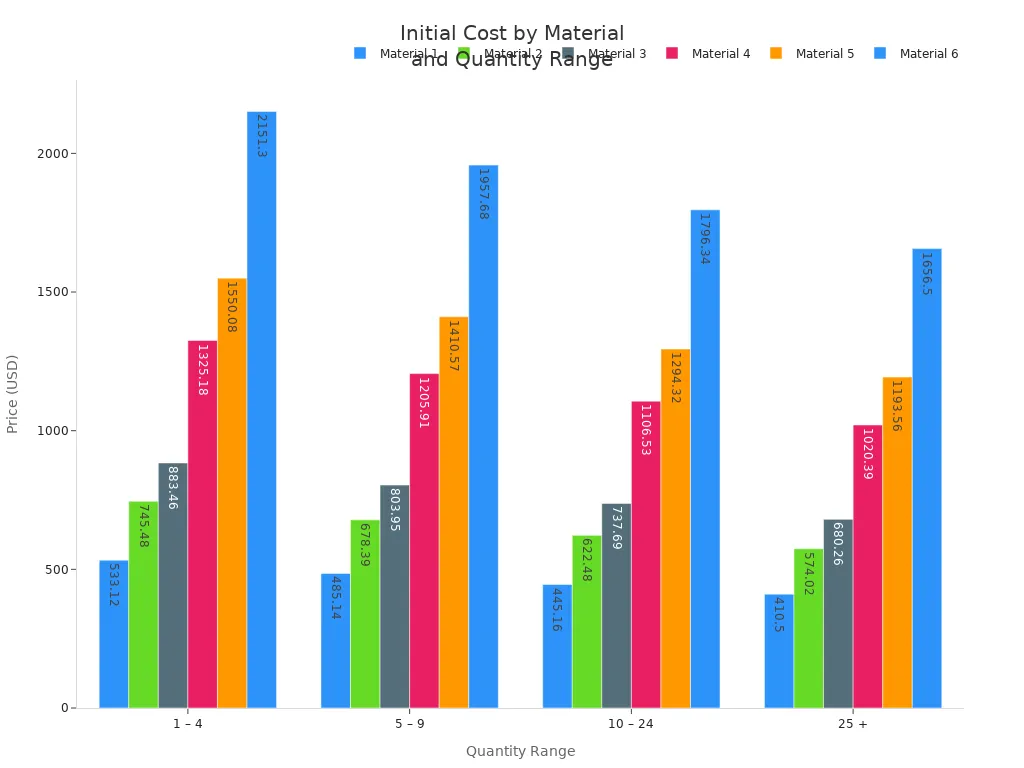
Note: The upfront cost of fiberglass sheets may seem high, but buyers often find the investment worthwhile for environments that demand maximum fire protection.
Long-Term Value
Fiberglass sheets deliver excellent long-term value. Their durability and fire resistance reduce replacement frequency. Maintenance costs remain low because fiberglass resists stains and moisture. Industrial facilities and commercial buildings benefit from fewer repairs and replacements over time. The material’s reliability helps protect property and people, making it a practical solution for high-risk settings.
Fiberglass sheets last longer than most alternatives.
Maintenance needs stay minimal.
Fire protection remains consistent throughout the product’s lifespan.
Polyester Sheet
Price Point
Polyester sheets offer a moderate price point. Many buyers choose polyester for its balance between cost and performance. The initial cost is lower than fiberglass, making polyester suitable for settings with limited budgets. Polyester sheets typically fall within the $3.00 to $15.00 range, depending on size and fire retardant treatment.
Polyester sheets cost less than fiberglass.
Prices vary based on treatment and quality.
Performance Value
Polyester sheets provide good value for everyday use. The material resists wrinkles and shrinking, which helps maintain appearance. Treated polyester offers fire protection, but the effectiveness may decrease after repeated washing. Polyester suits environments where comfort and affordability matter more than maximum fire safety.
Tip: Polyester sheets work well for hotels, schools, and healthcare facilities that need reliable, cost-effective bedding.
Cotton Blend Sheet
Affordability
Cotton blend sheets rank as the most affordable option. Many families and small businesses select cotton blends for their low initial cost. Prices for flame retardant cotton/polyester blends start around $178.31 per sheet when meeting flammability standards. The cost remains accessible for residential and light commercial use.
Cotton blends offer budget-friendly choices.
Initial investment stays low for most buyers.
Comfort Value
Cotton blend sheets provide excellent comfort at a reasonable price. The soft, breathable fabric supports restful sleep and daily use. While fire protection depends on chemical treatments, cotton blends balance safety and comfort for homes and care facilities.
Material | Initial Cost | Long-Term Value | Comfort Value |
|---|---|---|---|
Fiberglass | High | Excellent | Low |
Polyester | Moderate | Good | Moderate |
Cotton Blend | Low | Moderate | High |
For buyers who prioritize fire safety and durability, fiberglass sheets stand out as the preferred choice. Polyester and cotton blends offer affordable solutions for less demanding environments.
Maintenance
Fiberglass Sheet/GRP Sheet
Cleaning
Fiberglass sheets require very little maintenance. The non-porous surface does not absorb liquids or dirt, so most spills can be wiped away with a damp cloth. For tougher stains, users can use mild soap and water. Abrasive cleaners are not necessary and may scratch the surface. Most industrial settings find that regular dusting and occasional wiping keep fiberglass sheets in top condition.
Tip: Fiberglass sheets do not need frequent washing. This saves time and reduces wear, making them ideal for busy environments.
Stain Resistance
Fiberglass sheets resist stains better than most other materials. The dense structure blocks oil, grease, and chemicals from penetrating the surface. Even in factories or kitchens, fiberglass maintains a clean appearance. This resistance helps extend the sheet’s lifespan and keeps maintenance costs low.
Feature | Fiberglass Sheet |
|---|---|
Absorbs stains | × |
Needs frequent wash | × |
Easy to wipe clean | ✓ |
Polyester Sheet
Care Instructions
Polyester sheets need regular washing to stay clean. Users should follow the care label for best results. Most polyester sheets can be machine washed in warm water with mild detergent. Bleach and fabric softeners may damage the flame retardant treatment, so users should avoid them. Polyester dries quickly, so air drying or tumble drying on low heat works well.
Wash in warm water
Use mild detergent
Avoid bleach and fabric softeners
Dry on low heat
Wash Durability
Polyester sheets hold up well to repeated washing. The fibers resist shrinking and wrinkling, so the sheets keep their shape. However, flame retardant treatments may fade over time. Users should check the sheet’s fire resistance after many washes, especially in high-risk areas. Re-treating the fabric may be necessary to maintain safety.
Note: Polyester sheets offer easy care, but users must monitor the effectiveness of flame retardant properties after frequent washing.
Cotton Blend Sheet
Cleaning Ease
Cotton blend sheets feel soft and comfortable, but they need more careful cleaning. Most cotton blends can be machine washed, but hot water and harsh detergents can weaken the fabric and reduce fire resistance. Gentle cycles and mild soaps work best. Overloading the washing machine can cause extra wear.
Wash on gentle cycle
Use mild soap
Avoid hot water
Do not overload washer
Treatment Longevity
Flame retardant treatments on cotton blends do not last forever. Each wash removes some of the protective chemicals. After several washes, the fabric may lose its fire-resistant qualities. Users should follow the manufacturer’s instructions and consider reapplying flame retardant treatments as needed.
For long-lasting fire protection and easy maintenance, fiberglass sheets remain the top choice, especially in demanding or high-risk environments.
Flame Retardant Fabrics: Performance
Inherent Flame Retardant
Inherent flame retardant fabrics use fibers that have built-in fire resistance. Manufacturers design these fibers so that the protective qualities never wash out or fade. The fire resistance remains strong, even after years of use and many laundry cycles. These fabrics do not rely on chemical coatings, so their performance stays consistent. People often choose inherent flame retardant fabrics for environments where safety cannot be compromised, such as industrial sites or high-risk facilities.
Inherent flame retardant fabrics provide permanent protection. Their fire resistance does not diminish, making them a reliable choice for long-term safety.
Treated Fabrics
Treated fabrics gain their fire resistance from chemical finishes applied to the surface. These finishes help the fabric resist ignition and slow down burning. Over time, washing and wear can remove or weaken the chemical treatment. Some treated flame retardant fabrics maintain their protective qualities after up to 50 wash cycles, but their effectiveness may decrease with more frequent laundering. Users must follow care instructions closely to keep the fire retardant fabrics working as intended.
Treated fabrics can lose flame resistance after repeated washing.
Some treated flame retardant fabrics remain effective for many laundry cycles, but their protection is not permanent.
Regular inspection helps identify when the fabric needs retreatment.
Long-Term Protection
The difference between inherent and treated flame retardant fabrics becomes clear over time. Inherent fabrics keep their fire resistance for the life of the product. Treated fabrics may need retreatment or replacement as their protection fades. The table below shows how each type performs in key areas:
Feature | Inherent FR Fabrics | Treated FR Fabrics |
|---|---|---|
Flame Resistance Longevity | Permanent, does not degrade | Can diminish over time |
Effect of Laundering | Properties remain intact | Properties may wash out |
Thermal Protective Performance (TPP) | Generally higher | Generally lower |
Risk of Off-Gassing | None | Possible harmful gases |
Visual Inspection | No degradation visible | Degradation may not be visible |
Fiberglass sheets, which use inherent flame retardant fibers, stand out for their long-term protection and reliability. These fire retardant fabrics do not require frequent maintenance and keep their safety features intact. Polyester and cotton blends often rely on treatments, so users must monitor their condition and follow care guidelines.
Key points to remember:
Inherent flame retardant fabrics maintain their protective qualities permanently.
Treated flame retardant fabrics can lose effectiveness due to wear and laundering.
Inherent fabrics usually offer higher thermal protection and do not release harmful gases.
For customers who need lasting fire safety, choosing flame retardant fabrics with inherent protection, such as fiberglass sheets, provides peace of mind and reduces long-term costs.
Best Use Cases
Industrial
Fiberglass/GRP Sheet Advantage
Industrial environments demand materials that can withstand extreme conditions. Factories, warehouses, and manufacturing plants often face high temperatures, sparks, and chemical exposure. Fiberglass sheets, also known as GRP sheets, provide a strong solution for these settings. Their non-combustible nature and resistance to heat make them ideal for industrial applications. Workers rely on fiberglass sheets to protect equipment and surfaces from fire hazards. The material does not melt or burn, even when exposed to open flames. Maintenance teams appreciate the low upkeep required, as fiberglass resists stains and moisture.
Fiberglass sheets offer long-term durability and consistent fire protection. Industrial managers choose them for reliability and safety.
Key benefits of fiberglass sheets in industrial settings:
Withstand high temperatures and harsh chemicals
Maintain structural integrity over time
Require minimal maintenance
Meet strict fire safety standards
Residential
Comfort vs. Safety
Homes and apartments prioritize comfort, but fire safety remains important. Cotton blends and polyester sheets feel soft and breathable, making them popular for bedrooms and living spaces. These materials help regulate temperature and provide a pleasant sleeping experience. However, their fire resistance depends on chemical treatments, which may fade after repeated washing. Residents should follow care instructions to maintain protection.
Fiberglass sheets offer superior fire safety, but their firm texture and low breathability make them less suitable for everyday comfort. Homeowners may use fiberglass sheets in areas with higher fire risk, such as utility rooms or near heating equipment. For most residential applications, cotton blends and polyester sheets balance comfort and basic fire protection.
Material | Comfort | Fire Safety | Maintenance |
|---|---|---|---|
Fiberglass | Low | High | Low |
Polyester | High | Moderate | Moderate |
Cotton Blend | High | Moderate | Moderate |
Residents should consider where fire risk is highest and select materials that provide both comfort and safety.
Healthcare
Hygiene and Fire Safety
Hospitals, clinics, and care facilities require materials that support hygiene and fire safety. Healthcare workers need sheets that withstand frequent washing and disinfecting. Polyester and cotton blends offer softness and breathability, which help patients feel comfortable. These materials resist wrinkles and maintain a clean appearance. However, their fire resistance relies on treatments that may weaken over time.
Fiberglass sheets excel in healthcare applications where fire safety is critical. Their non-porous surface resists stains and moisture, reducing the risk of bacteria growth. The material maintains fire protection even after repeated cleaning. Healthcare managers often use fiberglass sheets in high-risk areas, such as operating rooms or laboratories, to ensure maximum safety.
In healthcare settings, choosing the right sheet material helps protect patients and staff while supporting cleanliness and fire safety.
Commercial
Cost and Performance
Commercial spaces, such as hotels, offices, and retail stores, require fire retardant flat sheets that balance cost and performance. Decision-makers in these environments often look for materials that offer reliable fire safety, long-term durability, and easy maintenance without exceeding budget limits.
Fiberglass sheets stand out in commercial settings where safety and longevity matter most. These sheets provide non-combustible protection and maintain their structure even after years of use. Facility managers appreciate that fiberglass sheets resist stains and moisture, which reduces cleaning time and costs. Although the initial investment for fiberglass sheets is higher, their long lifespan and minimal maintenance often lead to lower total costs over time.
Polyester sheets offer a more affordable upfront price. Many commercial properties choose polyester for its soft feel and flexibility. These sheets resist wrinkles and shrinking, which helps maintain a neat appearance in guest rooms or offices. However, polyester relies on chemical treatments for fire resistance. Over time, repeated washing can reduce the effectiveness of these treatments. This means that commercial users may need to replace or retreat polyester sheets more often, which can increase long-term expenses.
Cotton blend sheets provide comfort at a budget-friendly price. Many hotels and care facilities use cotton blends for their softness and breathability. These sheets work well in areas with lower fire risk. However, cotton blends depend on flame retardant treatments that can wash out over time. As a result, their fire protection may decrease, especially with frequent laundering. This can create safety concerns in busy commercial spaces.
Tip: Facility managers should consider the total cost of ownership, not just the initial price. Sheets that last longer and require less maintenance often save money in the long run.
The table below compares the three materials for commercial use:
Material | Initial Cost | Maintenance Needs | Fire Safety | Lifespan | Best For |
|---|---|---|---|---|---|
Fiberglass | High | Low | Excellent | Very Long | High-traffic, high-risk |
Polyester | Moderate | Moderate | Moderate | Long | Guest rooms, offices |
Cotton Blend | Low | Moderate | Basic | Moderate | Budget areas, low risk |
Commercial properties that prioritize safety and durability often select fiberglass sheets. These sheets help protect people and property, reduce replacement cycles, and support compliance with fire safety regulations. Polyester and cotton blends offer comfort and affordability but may require more frequent replacement and careful maintenance to ensure ongoing fire protection.
For commercial environments where safety, performance, and cost control are essential, fiberglass sheets provide a smart, long-term solution.
Fiberglass sheets lead in fire resistance and durability. Polyester and cotton blends offer more comfort and lower costs. Fiberglass needs little maintenance and works best in high-risk or industrial areas. Cotton blends and polyester fit homes and light commercial spaces. Users should match material choice to their needs. For expert advice and reliable fiberglass sheet products, readers can contact NHC. ️
FAQ
What makes fiberglass sheets more fire resistant than other materials?
Fiberglass sheets contain non-combustible fibers. These fibers do not burn or melt under high heat. This structure gives fiberglass superior fire resistance compared to polyester or cotton blends.
Can polyester sheets provide long-term fire protection?
Polyester sheets offer moderate fire protection when treated. The flame retardant properties may fade after repeated washing. Inherent flame retardant polyester lasts longer, but fiberglass sheets deliver more reliable long-term safety.
Are cotton blend sheets safe for residential use?
Cotton blend sheets feel soft and comfortable. Their fire resistance depends on chemical treatments. These treatments can wash out over time. Fiberglass sheets provide better protection in areas with higher fire risk.
How often should flame retardant sheets be replaced?
Replacement depends on the material and usage. Fiberglass sheets last many years with minimal maintenance. Polyester and cotton blends may need replacement after frequent washing or if fire protection fades.
Do flame retardant treatments wash out?
Treated fabrics lose flame resistance after several washes. Inherent flame retardant fabrics, such as fiberglass sheets, keep their protective qualities for the life of the product.
What is the best sheet for industrial environments?
Fiberglass sheets work best in industrial settings. They resist fire, chemicals, and wear. Their durability and low maintenance make them the preferred choice for factories and warehouses.
How should users clean fire retardant sheets?
Users should follow care instructions on the label. Fiberglass sheets need only wiping with a damp cloth. Polyester and cotton blends require gentle washing and may need retreatment to maintain fire resistance.
Are fiberglass sheets comfortable for everyday use?
Fiberglass sheets feel firm and less breathable. They suit environments where safety matters most. For comfort, polyester and cotton blends work better in bedrooms and living spaces.