


Top 5 Benefits of Using GRP Sheets in Modern Construction
Glass reinforced plastic gives many good things for builders. It is very strong and light. It does not get damaged by rust, chemicals, or fire. GRP panels help fix problems like safety, strength, and price. Many builders use grp sheet materials for walls, ceilings, and walkways.
GRP panels are quick to put in. They do not need much fixing. They are not slippery. These things help make sites safer. They help buildings last longer. They also help save money.
GRP sheets work well for factory covers, modular systems, and floors. They can be used in many ways in building projects.
Key Takeaways
GRP sheets are strong but also light. This makes them easy to move and put in place. They do not rust or get damaged by chemicals or fire. This helps buildings stay strong for a long time. GRP panels have a surface that is not slippery. This makes construction sites safer for workers. They do not need much care or fixing. This saves both time and money over many years. GRP sheets are good for the environment. They can be recycled when not needed. They work well in bad weather and where there are lots of chemicals. GRP panels can be used in many types of building projects. Using GRP sheets can help make buildings safer and better for the planet.
Strength-to-Weight Benefit of GRP Sheets
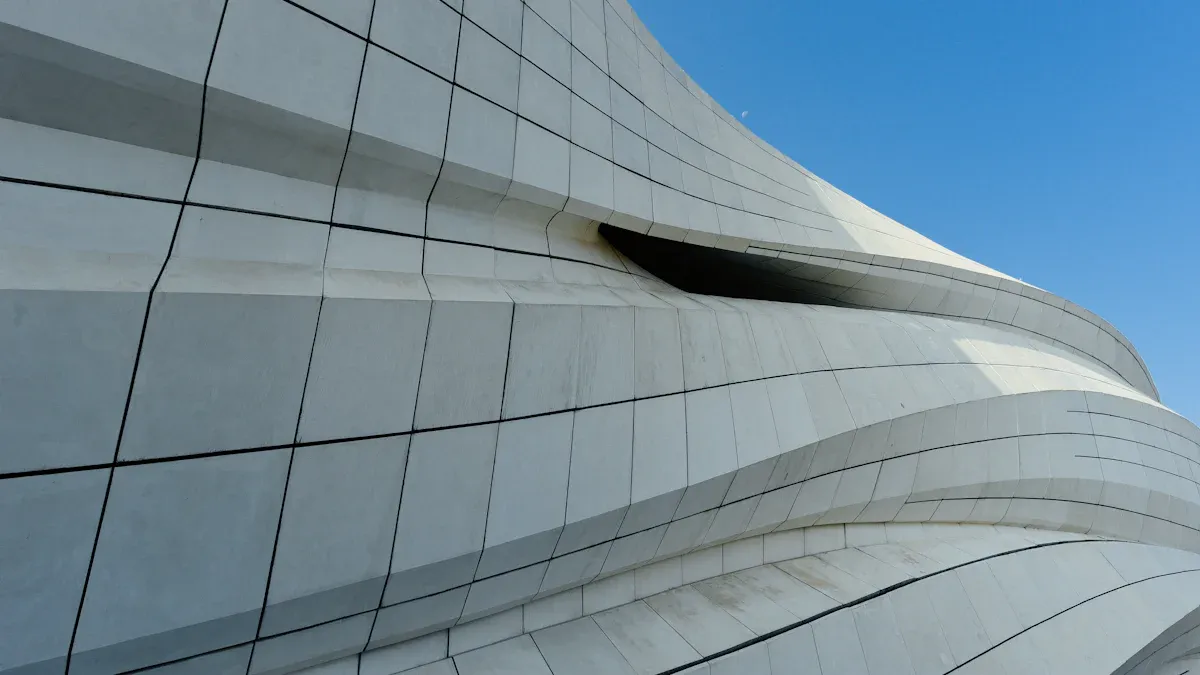
Lightweight Construction Applications
Handling and Installation Advantages
Glass reinforced plastic is strong but not heavy. Workers can pick up grp panels easily. They do not need big machines to move them. This makes putting them in place quicker and safer. Many teams see that grp panels weigh much less than steel. People can carry large panels by hand. This means cranes or forklifts are not needed as much.
GRP panels are simple to move to work sites.
Fewer people are needed to put them in.
Managers pay less for workers and save time.
The way grp panels fit together helps build fast, even in small areas.
Tip: Using grp panels helps teams finish early and keeps workers less tired.
Structural Integrity in Projects
Being light does not mean weak. GRP panels hold up floors, walls, and roofs well. Engineers trust grp sheet materials to support heavy things. Because they are strong and light, grp panels can take the place of heavier stuff. This helps in big and small building jobs. Prefabricated grp panels also make less waste. This saves money and helps the environment.
Comparison with Traditional Materials
When you look at grp panels next to steel or aluminum, the good things are easy to see. GRP panels are much lighter than steel. Steel needs more workers and machines to put in. Aluminum is lighter than steel but does not have all the good things grp has.
Material | Production Time Savings | Installation Time Savings |
|---|---|---|
GRP Sheets | 5 days | |
Steel | N/A | N/A |
Aluminum | N/A | N/A |
GRP panels stay strong even in tough places. Steel and aluminum can rust when wet or near chemicals. This means more fixing and shorter use. GRP panels do not have these problems. They need fewer repairs and last longer.
Heavy stuff costs more to ship and put in.
Rust in steel and aluminum makes more trash and hurts nature.
GRP panels last longer and need less fixing.
GRP panels can be used in many building jobs. Builders use them for bridges, walkways, and covers. The good things about grp sheet materials are strength, light weight, and staying strong. These help fix building problems and make projects better.
Corrosion and Chemical Resistance Benefits
GRP Sheet Performance in Harsh Environments
Moisture and Chemical Exposure
Glass reinforced plastic works well where water and chemicals are a problem. GRP panels do not rust or rot. They can handle road salts, cleaning products, and strong chemicals. Builders use GRP panels in locker rooms and pools. They also use them in places that get washed down a lot. These panels keep water out and stop leaks. In chemical plants, GRP panels protect floors and walls from spills. Their smooth surface keeps things clean. GRP panels line tanks that hold water, food, or chemicals. This helps keep what is inside safe.
GRP panels stay strong and look good for many years. They do not crack or bend in cold storage rooms. Their anti-slip surface helps keep people safe in wet places. GRP panels meet high safety rules, even in tough spots.
Longevity Compared to Metals and Wood
GRP panels last longer than steel or wood. Steel can rust and get weak from water or chemicals. Wood can rot, swell, or break apart. GRP panels do not have these problems. They stay strong and steady in hard places. Builders use GRP panels for bridges, tunnels, and marine jobs. These panels can handle seawater all the time. Offshore platforms and wind farms use GRP panels because they are strong.
The table below shows how GRP panels compare to other materials for cost and how long they last:
Factor | FRP (GRP) | Steel | Concrete |
|---|---|---|---|
Initial Material Cost | Moderate | Low | Low |
Installation Cost | Low | Moderate | High |
Maintenance Cost | Low | High | Moderate |
Lifespan (Years) | 50+ | 20-30 | 30-40 |
Total Lifecycle Cost | Low | High | Moderate |
GRP panels can cut maintenance costs by up to 60%. They do not need much care and are not replaced often. This saves a lot of money over time.
Construction Applications for Corrosion Resistance
GRP sheet materials are used in many building jobs. Builders use them for walkways, bridges, and decks near the sea. In marine places, GRP panels protect from salt and wet air. They also work in chemical plants where strong resistance is needed. Water treatment plants use GRP panels for walkways and access. These panels do not rust, so they last longer and need less fixing.
GRP panels work well in cold storage rooms. They do not crack or bend in freezing weather. Their non-conductive and anti-slip features help keep workers safe. GRP panels also help lower maintenance and total costs. This makes them a smart pick for new buildings.
Tip: Using GRP panels in tough places means fewer repairs, longer life, and safer buildings.
The good things about GRP sheet materials are corrosion resistance, chemical resistance, and less maintenance. These features help fix common building problems and make projects last longer and cost less.
Non-Slip and Safety Benefits of GRP Sheets
Enhanced Safety in Construction Sites
Non-Slip Surface Applications
GRP panels help stop people from slipping at work. Workers often walk on wet or oily floors. This happens a lot in factories and plants. GRP panels have a rough surface that gives good grip. This helps keep people from falling or tripping. Teams use these panels for walkways, ramps, and platforms. The non-slip surface works in rain, snow, or when cleaners spill. Glass reinforced plastic keeps its grip even when wet. Many places like train stations and schools use GRP panels to keep people safe.
Tip: Teams can put GRP panels on old floors fast. This makes things safer without big changes.
Worker and Occupant Protection
Safety is very important in building jobs. GRP panels help keep workers and people safe. The panels hold heavy things and make work areas steady. They do not get ruined by chemicals or water. This means they last longer in hard places. GRP panels also help in fires by slowing down flames. The table below shows how GRP sheet features help safety:
Feature | Contribution to Protection |
|---|---|
Load-Bearing Capacity | Holds heavy things and keeps work areas strong. |
Chemical and Moisture Resistance | Needs less fixing and lasts longer in tough places. |
Fire Resistance | Slows flames and helps keep people safe in fires. |
Managers pick GRP panels for places where safety matters most. These panels help stop injuries and keep buildings safe.
Compliance with Safety Standards
GRP panels follow strict safety rules for building sites. Their non-slip surface is better than many other materials. GRP sheets give strong grip and lower the chance of accidents. Unlike other non-slip floors, GRP panels do not get ruined by chemicals or bad weather. This makes them good for factories, outside walkways, and near water. The panels need little fixing, so businesses save time and money. Their strong and safe features help companies follow rules and keep everyone safe.
GRP panels can be used in many ways. Teams use them for bridges, stairs, and ramps. GRP sheet materials help fix safety problems and give long-lasting help. When builders use GRP panels, they make safer places for workers and everyone else.
Fire, Weather, and Chemical Resistance in Construction
GRP Sheet Durability in Extreme Conditions
Fire Resistance Features
GRP panels help keep buildings safe from fire. These panels do not catch fire easily. They slow down flames so people can escape. Hospitals and factories use grp panels to protect everyone. The panels follow tough fire safety rules. Glass reinforced plastic does not melt or drip in heat. This helps stop fires from spreading fast.
Note: Using grp panels in risky places can lower fire damage and save lives.
Weatherproofing and Chemical Stability
GRP panels work well in bad weather. They do not rust or rot in rain or snow. The panels stay strong when temperatures change quickly. Builders use grp panels for roofs, walls, and walkways outside. The panels block harmful sun rays. This keeps them looking new for a long time.
GRP sheet materials are stable around strong chemicals. In factories, the panels face cleaners and chemicals every day. They do not break or get weak. The mix of glass fibers and resin keeps panels safe. This means less fixing and longer use in building jobs.
The table below shows how grp panels do in tough weather and chemical places:
Criteria | Description |
|---|---|
GRP sheets handle bad weather and hits without breaking or rusting. | |
Chemical Resistance | They stand up to chemicals and last in hard places. |
Lightweight Nature | Their light weight makes them easy to carry and put in. |
Compliance with Standards | GRP sheets meet safety rules that other materials may not. |
Applications in High-Risk Environments
GRP panels are used where safety is very important. Many industries trust grp panels to protect people and things. Here are some places where builders use grp panels for fire, weather, and chemical safety:
Aerospace industry: Workers use grp panels in airplane hangars to stop sparks and resist fluids.
Mining operations: Teams build barriers with grp panels to control fire and smoke and handle rough work.
Petrochemical industry: Workers use grp panels for repairs and platforms. The panels resist rust and chemical spills.
Hospitals use grp sheet materials for clean rooms and exits. Factories put grp panels in places with strong chemicals and heat. Outdoor bridges and walkways use grp panels to stay safe in all weather. GRP panels last long, need little fixing, and give strong protection in dangerous places.
GRP panels help fix many problems in building jobs. They keep buildings safe from fire, weather, and chemicals. Builders pick grp panels because they last and protect people in risky areas. Using grp sheet materials in building gives safety and peace of mind.
Cost Efficiency and Sustainability Benefits
Long-Term Value of GRP Sheets
Minimal Maintenance Needs
GRP panels help builders save money over time. These panels do not need much fixing. Workers spend less time on repairs. This keeps building jobs moving fast. GRP flat sheets need less care than EPDM, asphalt, or concrete.
Material | |
|---|---|
GRP Flat Sheet | Low |
EPDM | Moderate |
Asphalt (BUR) | High |
Concrete | Moderate |
GRP panels do not get damaged by water or rust. This means fewer repairs and less waiting. Teams can keep working instead of stopping to fix things. Using glass reinforced plastic means less cleaning and fewer chemicals.
Extended Service Life
GRP panels last longer than many other materials. They stay strong even in hard places. Builders do not need to replace or fix them often. GRP panels are tough and work well in bad weather.
Aspect | Benefit |
|---|---|
Durability | |
Reduced Repairs | They need fewer fixes and replacements. |
Structural Integrity | Panels handle heavy use without breaking. |
Minimal Maintenance | Less care means lower costs. |
Construction teams see that GRP panels are exact and last long. The table below shows how GRP liners do better than old ways:
Cost Factor | Traditional Methods | UV GRP Liners |
|---|---|---|
Excavation Needs | Higher | Lower |
Curing Process | Slower | Faster |
Size Accuracy | Variability | High Precision |
Long-term Durability | Moderate | High |
Maintenance and Repair Costs | Higher | Lower |
Sustainable Construction Practices
Recyclability and Environmental Impact
GRP panels help builders care for the planet. They make less trash when made. Leftover pieces can be used again or recycled. This helps keep landfills smaller. Making GRP panels uses less energy than steel. This lowers pollution. GRP panels last a long time, so fewer new ones are needed.
Less trash made during building.
Making panels uses less energy.
Long life means fewer new panels needed.
Less care means fewer cleaning chemicals used.
Panels can be used in water-saving systems.
But recycling GRP panels is still hard. In the UK, most GRP trash goes to landfill. Only one company grinds GRP waste to reuse it. Most ways to throw away GRP, like burning or burying, can make bad smoke.
Green Building Certifications
Many green building rules accept GRP panels. LEED and BREEAM say GRP sheets are good for the earth.
Certification | Recognition of GRP Sheets |
|---|---|
LEED | Yes |
BREEAM | Yes |
GRP panels help builders reach green goals. Their long life, easy care, and earth-friendly features make them a smart pick for new buildings.
Tip: Picking GRP panels can save money and help the planet.
The best things about grp panels help new buildings a lot. They are light but strong. They do not get ruined by rust. They keep people safe at work. Teams spend less money fixing them. GRP panels last many years. Glass reinforced plastic helps save energy. It is good for the planet. Many reports say grp panels are quick to put in. They also make work sites safer.
GRP panels do not burn easily. They stand up to chemicals and bad weather.
Their surface stops slips and does not carry electricity.
They last long and save money, so builders like them for all jobs.
Plate Type | Maintenance Cost (10 years) | Expected Lifespan |
|---|---|---|
GRP Plate | Low | 30–50 years |
Steel Plate | High | 10–15 years |
Builders can count on grp panels for safe, green, and better buildings.
FAQ
What are GRP sheets made of?
GRP sheets contain glass fibers and plastic resin. The mix creates a strong, lightweight material. Builders use these sheets for walls, floors, and roofs.
Where can GRP sheets be used in construction?
Teams use GRP sheets for walkways, bridges, ceilings, and wall panels. These sheets work well in factories, schools, hospitals, and outdoor spaces.
Do GRP sheets need special tools for installation?
Workers can cut and fit GRP sheets with basic hand tools. Heavy machines are not required. This makes installation faster and safer.
How do GRP sheets improve safety?
GRP sheets have non-slip surfaces. They resist fire and chemicals. These features help protect workers and building occupants.
Are GRP sheets environmentally friendly?
GRP sheets last many years and need little maintenance. Some parts can be recycled. Their long life helps reduce waste.
How do GRP sheets compare to steel or wood?
GRP sheets weigh less than steel and wood. They do not rust or rot. Maintenance costs stay low, and the sheets last longer.
Can GRP sheets handle harsh weather?
GRP sheets resist rain, snow, and sun. They stay strong in extreme temperatures. Builders use them for outdoor projects.
What is the lifespan of GRP sheets?
Most GRP sheets last 30 to 50 years. They keep their strength and shape over time. This makes them a smart choice for long-term projects.