


The Complete Guide to Fiberglass Rectangular Tube Advantages: Why FRP is Transforming Modern Construction
 A fiberglass rectangular tube offers superior advantages over traditional materials, making it the preferred choice for modern construction and industrial applications. This advanced composite solution delivers exceptional performance benefits that traditional materials cannot match.
[Industry experts highlight these key advantages:]
• Weight reduction of 75% compared to steel while maintaining equal strength
• Zero corrosion ensures 50+ year service life with minimal maintenance
• Superior strength-to-weight ratio outperforms aluminum and steel alternatives
• Electrical insulation properties eliminate safety hazards in sensitive applications
• Chemical resistance withstands harsh industrial environments without degradation
• Design flexibility enables innovative solutions impossible with conventional materials
Modern construction projects leverage each FRP rectangular tube advantage to achieve superior performance, reduced costs, and extended service life.
Key Takeaways
• Fiberglass rectangular tubes provide eight major advantages that revolutionize structural design and construction practices.
• Weight advantages reduce transportation costs, installation time, and foundation requirements significantly.
• Corrosion resistance advantages eliminate maintenance schedules and extend service life beyond traditional materials.
• FRP rectangular tubes offer strength advantages that equal or exceed steel performance at fraction of the weight.
• Electrical insulation advantages provide safety benefits in power plants, chemical facilities, and sensitive environments.
• Chemical resistance advantages enable use in harsh conditions where other materials fail rapidly.
• Cost advantages emerge through reduced lifecycle expenses despite higher initial investment.
• Installation advantages simplify construction through lightweight handling and standard connection methods.
• Environmental advantages support sustainable construction through reduced material waste and energy consumption.
What Makes Fiberglass Rectangular Tubes Advantageous?
Fundamental Advantage Structure
A fiberglass rectangular tube gains its advantages through advanced composite construction that combines glass fiber reinforcement with polymer resin matrix. This combination delivers multiple performance advantages simultaneously, unlike single-material alternatives. Each tube weighs 70-80% less than steel equivalents while providing comparable structural capacity. The rectangular profile maximizes structural advantages through optimal load distribution and enhanced moment capacity. Fiberglass rectangular tubes achieve these advantages through precise fiber orientation and controlled resin content that optimize strength-to-weight performance.
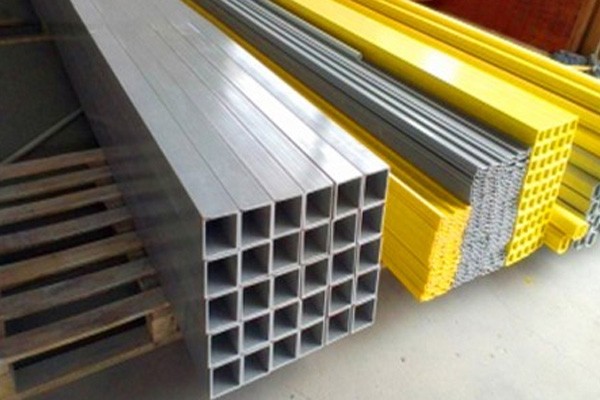
Note:The advantages of FRP rectangular tubes stem from their composite nature, where multiple materials work synergistically to exceed the performance of individual components. ASTM testing standards define standardized methods for evaluating these composite properties.
| Advantage Category | Specific Benefits |
Weight Advantages | 75% lighter than steel, reduced shipping costs, easier handling |
Strength Advantages | High tensile strength, excellent flexural properties, impact resistance |
Durability Advantages | Corrosion immunity, UV resistance, fatigue resistance |
Safety Advantages | Non-conductive, non-magnetic, fire retardant options |
Economic Advantages | Lower lifecycle costs, reduced maintenance, energy savings |
Environmental Advantages | Recyclable materials, reduced carbon footprint, sustainable production |
Installation Advantages | Standard tools, faster assembly, reduced labor costs |
Design Advantages | Custom profiles, complex shapes, integrated features |
Advantages in Different Applications
Fiberglass rectangular tubes demonstrate distinct advantages across various applications, from infrastructure projects to industrial facilities. These advantages include structural performance benefits, environmental resistance benefits, and economic benefits. The versatility advantage allows engineers to specify FRP rectangular tubes for applications where traditional materials face limitations.
| Application Type | Primary Advantages | Performance Benefits |
Marine Structures | Corrosion immunity, saltwater resistance | 50+ year service life |
Chemical Plants | Chemical resistance, safety advantages | Zero maintenance requirements |
Power Facilities | Electrical insulation, non-magnetic properties | Enhanced safety protocols |
Infrastructure | Weight reduction, durability advantages | Lower foundation costs |
Core Performance Advantages
FRP rectangular tubes deliver multiple performance advantages that transform project outcomes. They provide structural advantages through optimized cross-sectional geometry and material properties. When engineers specify fiberglass rectangular tubes, they access advantages unavailable with conventional materials. The tubes offer advantages in load distribution, environmental resistance, and long-term reliability.
• Structural advantages include high strength-to-weight ratios and excellent fatigue resistance
• Environmental advantages encompass corrosion immunity and temperature stability
• Economic advantages emerge through reduced lifecycle costs and maintenance elimination
Fiberglass rectangular tubes provide compatibility advantages with standard construction practices while offering superior performance characteristics.
Tip: Understanding specific FRP rectangular tube advantages helps engineers optimize design decisions and maximize project benefits.
Major Advantages of Fiberglass Rectangular Tubes
Weight Reduction Advantages
Fiberglass rectangular tubes offer significant weight advantages that transform construction economics and logistics. These composite structures weigh 75% less than equivalent steel sections while maintaining comparable load-bearing capacity. The weight advantage creates cascading benefits throughout project execution, from reduced shipping costs to simplified installation procedures. This advantage enables larger prefabricated assemblies and reduces crane requirements during construction.
The weight advantage of FRP rectangular tubes directly impacts foundation design, allowing smaller footings and reduced concrete requirements. Transportation advantages include higher payload capacity and reduced fuel consumption during delivery. Installation advantages emerge through improved worker safety and reduced equipment requirements.
Note: The weight advantage of fiberglass rectangular tubes creates cost savings throughout the project lifecycle while maintaining structural performance requirements.
Corrosion Resistance Advantages
One of the most significant advantages of FRP rectangular tubes is their complete immunity to corrosion. Unlike steel or aluminum, fiberglass rectangular tubes never rust, oxidize, or chemically degrade when exposed to moisture, chemicals, or environmental contaminants. This corrosion resistance advantage eliminates maintenance painting, protective coatings, and scheduled replacements that burden traditional materials.
The corrosion advantage extends service life to 50+ years with minimal maintenance requirements. Chemical resistance advantages enable use in harsh industrial environments where acid, alkali, and solvent exposure would destroy conventional materials. This advantage proves particularly valuable in:
• Marine environments with constant saltwater exposure
• Chemical processing facilities with corrosive atmospheres
• Water treatment plants with chlorine and chemical exposure
• Industrial facilities with harsh environmental conditions
Strength-to-Weight Advantages
Fiberglass rectangular tubes achieve superior strength-to-weight advantages through optimized composite construction. These advantages allow engineers to design lighter structures without compromising safety factors or performance requirements. The strength advantage enables longer spans with reduced support requirements, while the weight advantage reduces dead loads throughout the structure.
Specific strength advantages include:
| Property | Advantage Over Steel | Advantage Over Aluminum |
Specific Strength | 2-3x higher | 1.5-2x higher |
Fatigue Resistance | Superior performance | Excellent durability |
Impact Resistance | Energy absorption | Damage tolerance |
Tensile Strength | Comparable values | Higher strength |
These strength advantages enable innovative designs impossible with traditional materials while reducing overall project weight and cost.
Electrical Safety Advantages
FRP rectangular tubes provide inherent electrical insulation advantages that enhance safety in sensitive applications. This non-conductive advantage eliminates electrical hazards around power systems, reducing accident risk and insurance liability. The electrical insulation advantage enables use near high-voltage equipment without additional safety barriers or clearance requirements.
Safety advantages include:
• Non-conductive properties prevent electrical shock hazards
• Non-magnetic characteristics avoid interference with sensitive equipment
• Spark-resistant surfaces reduce fire and explosion risks
• RF transparency allows wireless communication systems
Chemical Resistance Advantages
The chemical resistance advantages of fiberglass rectangular tubes enable applications impossible with traditional materials. These advantages stem from the polymer matrix that resists chemical attack from acids, bases, solvents, and industrial chemicals. Unlike metals that corrode or degrade in chemical environments, FRP rectangular tubes maintain their structural integrity indefinitely.
Chemical resistance advantages include immunity to:
• Strong acids and alkalis
• Organic solvents and fuels
• Saltwater and brines
• Industrial chemicals and cleaning agents
• Environmental pollutants and contaminants
Cost-Effectiveness Advantages
While fiberglass rectangular tubes may have higher initial costs, their lifecycle cost advantages provide superior economic value. These cost advantages emerge through eliminated maintenance, extended service life, and reduced installation expenses. The economic advantage becomes more pronounced over time as maintenance savings accumulate.
Lifecycle cost advantages include:
• Zero maintenance requirements
• 50+ year service life
• Reduced installation labor
• Lower transportation costs
• Smaller foundation requirements
• Energy savings through reduced weight
Installation and Handling Advantages
FRP rectangular tubes offer significant installation advantages that reduce project timelines and labor costs. The lightweight advantage enables manual handling of larger sections, while standard connection methods simplify assembly procedures. These installation advantages translate to faster project completion and reduced construction costs.
Handling advantages include:
• Manual lifting of large sections
• Standard cutting and drilling tools
• Conventional fastening methods
• Reduced crane time requirements
• Simplified logistics and staging
Tip: The installation advantages of fiberglass rectangular tubes often offset higher material costs through reduced labor and equipment requirements.
How Advantages Translate to Performance
Structural Performance Advantages
The structural advantages of fiberglass rectangular tubes create superior building performance through optimized load distribution and enhanced durability. These performance advantages include excellent fatigue resistance, superior strength-to-weight ratios, and predictable failure modes that provide safety warnings before catastrophic failure.
Performance advantages manifest through:
• Consistent properties throughout service life
• Excellent fatigue resistance under cyclic loading
• Superior impact resistance and energy absorption
• Predictable structural behavior for accurate analysis
The structural advantages enable engineers to design efficient systems with appropriate safety factors while minimizing material usage and project costs.
Environmental Performance Advantages
Environmental advantages of FRP rectangular tubes include resistance to all forms of environmental degradation. These advantages ensure consistent performance regardless of exposure to UV radiation, temperature cycles, humidity, or chemical contamination. The environmental advantages eliminate performance degradation common with traditional materials.
Environmental resistance advantages include:
• UV stability with appropriate resin formulations
• Temperature stability across wide operating ranges
• Moisture resistance preventing dimensional changes
• Chemical immunity eliminating environmental stress cracking
Long-term Performance Advantages
The long-term advantages of fiberglass rectangular tubes compound over time as traditional materials require increasing maintenance and eventual replacement. These performance advantages include maintained structural properties, eliminated corrosion concerns, and consistent appearance throughout the service life.
Long-term advantages create value through:
• Maintained load capacity over decades
• Eliminated replacement cycles
• Consistent structural performance
• Reduced lifecycle environmental impact
Note: The long-term performance advantages of FRP rectangular tubes provide increasing value as structures age and traditional materials degrade.
Advantages in Specific Applications
Infrastructure Project Advantages
Fiberglass rectangular tubes provide unique advantages for infrastructure projects through reduced weight, enhanced durability, and simplified maintenance. These advantages enable longer bridge spans, reduced foundation requirements, and extended service life. The infrastructure advantages include resistance to deicing salts, traffic vibration, and environmental exposure.
Tip: Infrastructure advantages of FRP rectangular tubes become more valuable over time as maintenance savings accumulate and service life extends beyond traditional materials.
Industrial Facility Advantages
Industrial applications benefit from multiple advantages of fiberglass rectangular tubes including chemical resistance, electrical safety, and maintenance elimination. These advantages prove essential in chemical plants, power facilities, and processing operations where traditional materials face rapid degradation or safety concerns.
Industrial advantages include:
• Chemical process compatibility
• Electrical safety enhancements
• Maintenance elimination
• Extended equipment life
Marine Environment Advantages
Marine applications showcase the most significant advantages of FRP rectangular tubes through complete saltwater immunity and elimination of cathodic protection requirements. These advantages include indefinite service life in seawater, eliminated painting schedules, and resistance to marine borers and biological growth.
Marine advantages provide:
• Lifetime saltwater resistance
• Eliminated coating requirements
• Reduced maintenance access needs
• Enhanced structural reliability
Note: Marine environment advantages of fiberglass rectangular tubes often justify higher initial costs through eliminated maintenance and extended service life.
Quality and Standards Advantages
Manufacturing Quality Advantages
The manufacturing advantages of FRP rectangular tubes include precise dimensional control, consistent material properties, and integrated quality assurance. These manufacturing advantages ensure predictable performance and compatibility with standard design methods.
Quality advantages include:
• Precise cross-sectional geometry
• Consistent mechanical properties verified through standard testing protocols
• Controlled fiber orientation
• Validated performance characteristics
Standards Compliance Advantages
Fiberglass rectangular tubes offer standards compliance advantages through established testing methods, design standards, and certification processes. These compliance advantages enable confident engineering design and code approval processes.
Standards advantages include:
• ASTM compliance for material properties
• Established design methodologies
• Third-party certification available
• Code acceptance documentation
Comparative Advantages Analysis
Advantages Over Steel
FRP rectangular tubes provide multiple advantages over steel including weight reduction, corrosion immunity, and electrical safety. These comparative advantages enable applications where steel faces limitations or performance issues.
| Advantage Category | FRP Benefit | Steel Limitation |
Weight | 75% lighter | Heavy, requires large foundations |
Corrosion | Immune | Requires painting, replacement |
Electrical | Insulating | Conductive, safety hazard |
Maintenance | None required | Regular painting, inspection |
Chemical | Resistant | Susceptible to chemical attack |
Advantages Over Aluminum
The advantages of fiberglass rectangular tubes over aluminum include superior chemical resistance, electrical insulation, and cost stability. These advantages prove valuable where aluminum faces galvanic corrosion or chemical compatibility issues.
Advantages Over Concrete
Compared to concrete, FRP rectangular tubes offer weight advantages, construction speed advantages, and design flexibility advantages. These benefits enable applications where concrete's weight or construction complexity creates limitations.
Future Advantages and Innovations
Emerging Technology Advantages
Future advantages of fiberglass rectangular tubes include smart material integration, enhanced manufacturing processes, and expanded application possibilities. These emerging advantages will further differentiate composite materials from traditional alternatives.
Sustainability Advantages
Environmental advantages continue expanding through improved recycling processes, reduced manufacturing energy, and extended service life. These sustainability advantages align with green building requirements and environmental responsibility goals.
Conclusion
The advantages of fiberglass rectangular tubes make them superior alternatives to traditional materials across multiple performance criteria. Their combination of lightweight design, corrosion resistance, strength performance, and economic benefits provides compelling value for modern construction and industrial applications. From weight reduction advantages that simplify installation to durability advantages that eliminate maintenance, FRP rectangular tubes deliver performance benefits that traditional materials cannot match.
The documented advantages include 75% weight reduction, 50+ year service life, eliminated maintenance requirements, and enhanced safety performance. These advantages create value throughout the project lifecycle while supporting sustainable construction practices and reduced environmental impact.
For professionals seeking fiberglass rectangular tubes that maximize these performance advantages, selecting an experienced FRP products manufacturer like NHC ensures access to advanced composite solutions that deliver all documented benefits through proven manufacturing processes and technical expertise.
FAQ
What is the primary advantage of fiberglass rectangular tubes?
The weight advantage is most significant - FRP rectangular tubes weigh 75% less than steel while providing equivalent strength, reducing transportation, installation, and foundation costs substantially.
How do corrosion resistance advantages compare to coated steel?
Fiberglass rectangular tubes provide complete corrosion immunity without coatings, while coated steel requires maintenance painting every 5-10 years and eventual replacement due to coating failure.
What electrical safety advantages do FRP tubes offer?
Complete electrical insulation eliminates shock hazards, allows installation near high-voltage equipment, and prevents galvanic corrosion in mixed-material assemblies.
How significant are the cost advantages over time?
Lifecycle cost advantages typically exceed 40% through eliminated maintenance, extended service life, and reduced installation costs, despite higher initial material costs.
Do fiberglass rectangular tubes offer strength advantages?
Yes - specific strength (strength-to-weight ratio) exceeds steel by 2-3 times, enabling lighter structures with equal or superior load capacity.
What environmental advantages do FRP tubes provide?
Environmental advantages include indefinite service life, no toxic coatings, recyclable materials, and reduced carbon footprint through lighter transportation requirements.
Are there installation advantages compared to steel?
Installation advantages include manual handling of larger sections, standard tools, faster assembly, and reduced crane time - often reducing installation costs by 30-50%.
Tip: The advantages of fiberglass rectangular tubes compound over time, providing increasing value as traditional materials require maintenance and replacement.