


Why Choose GRP Cable Trays Over Steel and Aluminum
GRP cable tray stands out in industrial settings because it resists corrosion, stays lightweight, and installs quickly. Many buyers choose grp for projects where safety and durability matter. The tray supports efficient GRP cable management and fits with GRP cable ladder systems. These features help companies lower costs and protect cables in tough environments.
Tip: Choosing the right cable tray can improve project safety and reduce future maintenance.
Key Takeaways
GRP cable trays resist corrosion, making them ideal for harsh environments like chemical plants and coastal areas.
Steel trays require frequent maintenance due to rust, increasing long-term costs for industrial projects.
Aluminum trays are lightweight but may not support heavy loads or withstand high temperatures effectively.
Choosing GRP trays can lead to faster installations and reduced labor costs due to their lightweight design.
GRP trays provide excellent fire resistance, enhancing safety in industrial settings.
The long lifespan of GRP trays means lower maintenance and replacement costs over time.
Project managers should consider the total cost of ownership, not just initial prices, when selecting cable trays.
GRP cable trays support efficient cable management, reducing the risk of damage and downtime.
Corrosion Resistance
GRP Cable Tray Performance
GRP cable trays deliver outstanding corrosion resistance in industrial environments. Their composite structure allows them to withstand harsh chemicals, saltwater, and pollutants. Many industries rely on frp cable trays in coastal areas, chemical plants, and humid regions. These trays protect electrical and communication systems from the damaging effects of corrosion.
GRP cable trays perform well in environments with high humidity and salinity.
They resist chemical attacks that often damage metal trays.
A study by the University of Plymouth confirms their durability in harsh conditions.
Field and laboratory tests show that frp cable trays maintain their structural integrity even after years of exposure. The following table highlights the performance of frp cable trays in corrosive environments:
| Evidence Description |
| Enduro cable tray is made from high-quality pultruded materials, proving durable and resistant to chemical attack in corrosive environments. |
| Designed to meet performance needs in harsh environments, highlighting FRP's corrosion resistance. |
| FRP offers significant advantages over traditional materials like steel, which is prone to rust. |
These results make grp cable trays a top choice for GRP cable management and GRP cable ladder systems in challenging settings.
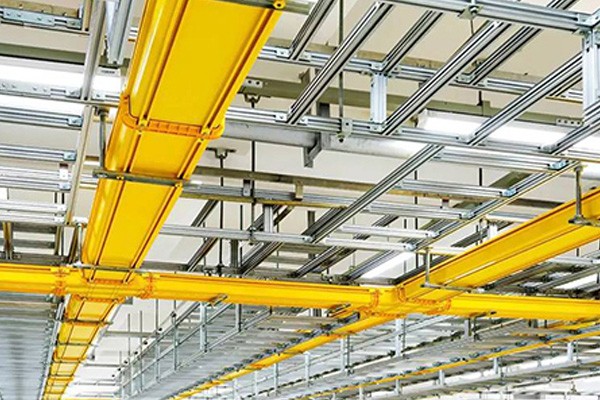
Steel Tray Limitations
Steel cable trays face significant challenges in corrosive environments. Steel reacts with moisture, salt, and chemicals, which leads to rust and structural weakness. Even with protective coatings, steel cable trays often require frequent maintenance and replacement. The following table outlines the corrosion risk for steel in different environments:
| Corrosion Class | Typical Environments | Materials | Corrosion Risk |
| C1 | Indoor, climate-controlled areas | Untreated or painted steel | Minimal risk |
| C2 | Indoor, unheated spaces | Lacquered steel, galvanized steel | Slight risk |
| C3 | Urban or industrial areas | Galvanized or stainless steel | Moderate risk |
| C4 | Industrial areas, chemical plants | Duplex or stainless steel | High risk |
| C5-I | Aggressive industrial environments | Acid-resistant steel | Extremely high risk |
| C5-M | Coastal and marine environments | Acid-resistant steel, marine-grade stainless steel | Very high risk |
Steel cable trays in C4 and C5 environments often fail without constant upkeep. This limitation increases costs and risks for industrial projects.
Aluminum Tray Properties
Aluminum trays offer better corrosion resistance than steel cable trays, but they still have weaknesses. Aluminum forms a natural oxide layer that protects against some corrosion. However, in environments with high salinity or aggressive chemicals, this layer can break down. Frp cable trays outperform aluminum in these settings because they do not rely on a surface layer for protection.
Aluminum trays work best in less aggressive environments. In coastal or chemical-rich areas, frp cable trays provide longer-lasting performance and reduce maintenance needs.
Note: Choosing the right material for cable trays affects the safety and lifespan of your electrical systems. GRP and frp cable trays offer superior protection in the most demanding environments.
Weight and Installation
GRP Cable Trays: Lightweight Advantage
GRP cable trays offer a clear advantage in weight and installation. Their light weight makes them easy to handle, transport, and install. Workers can often carry and position these trays without heavy machinery. This reduces labor costs and speeds up project timelines. In large-scale projects, teams report faster installation times with GRP cable trays compared to steel cable trays. The trays require no hot working and assemble with simple nuts and bolts. This process lowers the risk of injury and minimizes disruption on busy job sites.
Tip: Choosing light weight trays like GRP can help companies complete projects faster and with fewer workers.
The following table highlights key differences in installation between GRP cable trays and metal cable trays:
| Feature | GRP Cable Trays | Metal Cable Trays |
| Hot Working | No hot working, assembled with nuts/bolts | Requires welding, more time-consuming |
| Weight | Very light, 1/4th the weight of steel | Very heavy, 4 times the weight of GRP |
| Installation Cost | Lower cost, easier to cut and fabricate | Higher cost, requires more labor and equipment |
GRP cable trays also support efficient GRP cable management and work well with GRP cable ladder systems, especially in high-rise buildings or tight spaces.
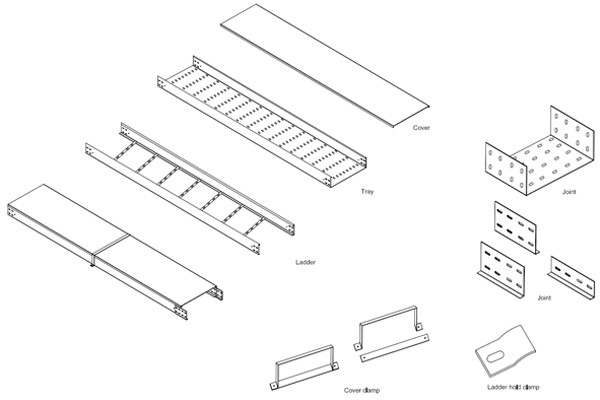
Steel: Heavy and Challenging
Steel cable trays present several challenges during installation. Their heavy weight increases transportation and labor costs. Workers often need cranes or lifts to move steel cable trays into place. This requirement slows down the installation process and raises safety concerns. Improper support or weak anchoring can cause future instability. Teams must pay close attention to spacing and load requirements to avoid sagging or failure.
| Challenge | Description |
| Improper Support | Essential for maintaining structural durability. |
| Weak Anchoring | Incorrect fasteners or loose trays can lead to future instability. |
| Incorrect Spacing | Inadequate support placement can cause sagging and improper weight distribution. |
| Ignoring Load Requirements | Neglecting cable weight can weaken fastenings and lead to failure. |
Steel cable trays often require more workers and specialized equipment, which increases overall project costs.
Aluminum: Light but Lower Load Capacity
Aluminum trays weigh less than steel cable trays, making them easier to handle and install. Their density is about one-third that of steel, which reduces transportation and labor expenses. This light weight improves construction efficiency, especially in areas with limited space. However, aluminum trays have a lower load capacity compared to steel and GRP cable trays. In projects that demand strong support for heavy cables, aluminum may not provide the needed durability.
Note: Lighter trays like GRP and aluminum can reduce installation time, but only GRP combines light weight with high strength and corrosion resistance.
Fire Safety
GRP Cable Tray: Fire Resistance
GRP cable trays provide strong fire resistance, making them a safe choice for industrial projects. These trays use special resins that help slow the spread of flames. Many GRP trays meet strict international standards for fire safety. The following table shows typical fire resistance ratings for different types of GRP cable trays:
| Type | Fire Resistance Rating | Additional Notes |
| Type V | Class 1, 25 or Less | Vinyl Ester, Superior Corrosion Resistance & Fire Retardant |
| Type I | Class 1, 25 or Less | Isophthalic, Industrial grade Corrosion Resistance & Fire Retardant |
| Type P | Class 1, 5 or Less | Phenolic, Low Smoke and Superior fire resistance |
These ratings show that GRP cable trays can help protect cables during a fire. Many industries choose GRP cable management systems for areas where fire safety is critical. GRP cable ladder systems also benefit from these fire retardant properties, helping to keep cables safe and secure.
Note: FRP cable trays, including GRP, are fire resistant and can protect cables from fire damage. This makes them suitable for applications where fire safety is a top priority.
Steel: Conductivity Risks
Steel cable trays have high strength, but they also conduct electricity and heat very well. During a fire, steel can transfer heat quickly to the cables inside the tray. This can damage the cables and increase the risk of electrical faults. Steel cable trays may also become very hot, which can create safety hazards for workers. In some cases, steel can even act as a pathway for electrical faults if insulation fails. These risks make steel less suitable for environments where fire safety is a major concern.
Steel cable trays conduct heat rapidly, raising cable temperatures.
Steel can become a hazard if exposed to electrical faults during a fire.
Steel trays may require extra insulation or fireproofing in high-risk areas.
Aluminum: Melting Point Concerns
Aluminum trays weigh less than steel, but they have a lower melting point. In a fire, aluminum can soften and lose strength much faster than steel or GRP. This can cause the tray to collapse, putting cables at risk. Aluminum also conducts heat well, which can damage cables and increase the chance of system failure. For projects that demand high fire safety, GRP cable trays offer better protection than aluminum.
Aluminum trays may fail quickly in high-temperature fires.
Aluminum’s high heat conductivity can harm cables during a fire.
GRP cable trays provide a safer option for fire-prone environments.
Durability
GRP Cable Trays: Long Lifespan
GRP cable trays deliver impressive durability in industrial and outdoor environments. Their composite structure resists rust and corrosion, which helps maintain performance over many years. Companies often choose GRP for GRP cable management systems because these trays require less maintenance than metal alternatives. GRP cable ladder installations also benefit from this long lifespan, especially in areas exposed to moisture or chemicals.
GRP cable trays are favored for outdoor applications due to their balanced performance.
They have a long lifespan and resist corrosion, making them suitable for harsh settings.
These trays need less maintenance, which reduces long-term costs.
GRP cable trays also comply with international standards for surface treatments, such as ISO 12944. This ensures proper protection in corrosive environments and supports reliable operation. Many project managers select GRP cable trays for their ability to withstand tough conditions without frequent repairs.
Note: GRP cable trays offer a strong combination of durability and low maintenance, making them a smart choice for industrial projects.
Steel: Prone to Corrosion
Steel cable trays provide high strength, but they face challenges with corrosion and environmental damage. Steel reacts with moisture and chemicals, which can weaken the tray over time. Even with coatings, steel often needs regular inspection and maintenance to prevent rust. In industrial settings, several factors contribute to steel cable tray failure:
Cable congestion and tangling may delay maintenance and increase damage risk.
Poor ventilation raises temperatures, harming cables.
Corrosion and environmental damage deteriorate tray materials.
Improper installation and maintenance lead to instability and unnoticed issues.
Steel cable trays work best in controlled environments. In outdoor or chemical-rich areas, corrosion can shorten their lifespan and increase costs. Project teams must follow strict guidelines for installation and maintenance to avoid problems.
Aluminum: Environmental Sensitivity
Aluminum cable trays offer good resistance to oxidation because they form a natural protective layer when exposed to air. This oxide layer acts as a barrier and is self-healing, which helps maintain structural integrity over time. Aluminum trays resist many chemicals and remain lightweight, making them easy to install. However, aluminum is softer than steel, so it is more susceptible to physical damage in busy industrial settings.
Aluminum cable trays possess good anti-oxidation characteristics.
The oxide layer prevents further corrosion and helps maintain durability.
Despite chemical resistance, aluminum’s softness makes it vulnerable to dents and deformation.
Project managers often use aluminum trays in less demanding environments. In areas with heavy traffic or risk of impact, aluminum may not provide the same durability as GRP or steel cable trays.
Tip: Choosing the right tray material improves system reliability and reduces maintenance needs.
Cost Analysis
Initial Costs
Project managers often compare the initial investment for cable trays before making a decision. The price per meter can vary based on the material. The following table shows typical costs for each type:
| Material | Cost per Meter (USD) |
| Steel Cable Trays | $5 to $25 |
| Aluminum Cable Trays | $6 to $30 |
| Fiberglass Reinforced Plastic | $10 to $50 |
| Stainless Steel | $20 to over $100 |
Steel and aluminum cable trays usually have lower upfront costs than grp trays. However, grp trays offer added value through their durability and performance. Stainless steel trays cost the most and are often reserved for highly specialized environments.
Maintenance Expenses
Maintenance costs can have a big impact on the total cost of ownership. Over a 10-year period, fiberglass cable trays require much less maintenance than steel or aluminum trays. Steel and aluminum trays need regular inspections, re-coating, and sometimes replacement. Fiberglass trays, including grp cable trays, last much longer with only basic cleaning and visual checks.
Fiberglass trays have lower maintenance costs than steel and aluminum.
Steel trays often need re-coating or replacement after 10–15 years.
Fiberglass trays can last 30–50 years with minimal upkeep.
GRP cable management systems help reduce the need for frequent repairs. This makes them a smart choice for facilities that want to avoid downtime and extra labor costs.
Long-Term Savings
When considering the full project lifecycle, grp cable trays provide significant cost savings. Their long lifespan and low maintenance needs mean companies spend less over time. Steel and aluminum trays may seem less expensive at first, but ongoing repairs and replacements add up. GRP cable ladder systems also help lower costs by reducing installation time and minimizing disruptions.
Tip: Choosing grp trays can lead to lower total project costs and fewer unexpected expenses.
Facility owners who invest in grp trays often see better value over the years. The combination of durability, low maintenance, and reliable performance supports long-term savings for industrial projects.
Application Suitability
GRP Cable Trays: Ideal Environments
GRP cable trays fit a wide range of industrial settings. Many engineers select these trays for areas with high moisture, salt, or chemical exposure. The composite material resists corrosion, fire, and physical damage. This makes them a reliable choice for marine facilities, chemical plants, and outdoor installations. The following table highlights the main benefits and where these trays perform best:
| Benefit | Description |
| Corrosion Resistance | GRP cable trays are highly resistant to corrosion, suitable for marine and chemical industries. |
| Fire Resistance | They offer excellent fire resistance, ensuring safety in case of a fire outbreak. |
| Durability | GRP cable trays are durable, reducing maintenance costs and extending lifespan. |
Project managers often use grp cable trays in environments where steel and aluminum may fail. These trays support GRP cable management systems and GRP cable ladder installations, especially in locations with harsh weather or chemical exposure. Their long lifespan and low maintenance needs help companies save money over time.
Note: GRP cable trays provide a strong solution for industries that demand safety, durability, and low upkeep.
Steel: Controlled Use
Steel cable trays work best in controlled indoor environments. Many facilities use them in places with stable temperatures and low humidity. Steel offers high strength and can support heavy cable loads. However, it does not resist corrosion well. In areas with moisture or chemicals, steel trays may rust or weaken. Regular maintenance becomes necessary to prevent failure.
Some industries choose steel trays for data centers, office buildings, or factories with climate control. These settings reduce the risk of corrosion and extend the tray’s service life. Steel trays also suit projects where fire resistance is less critical, and where the load requirements are high.
Tip: Steel cable trays need careful monitoring in any environment with moisture or chemical exposure.
Aluminum: Specific Applications
Aluminum cable trays serve well in projects that need lightweight materials. Their low weight makes them easy to install, especially in buildings with limited space or where workers must lift trays by hand. Aluminum resists rust, so it works in outdoor or mildly corrosive environments. Many engineers use aluminum trays for heavy or large volume cables because the trays are easy to handle.
Aluminum cable trays are ideal for environments with heavy or large volume cables due to their lightweight nature.
They are particularly effective in corrosive or outdoor environments because they resist rust.
Aluminum cable trays have been successfully used in petro-chemical plants and paper mills for over thirty years, demonstrating their effectiveness in chemical environments.
Despite these strengths, aluminum trays have a lower load capacity than steel or grp trays. They may not suit areas with high fire risk or heavy mechanical stress. Project teams often select aluminum for specific applications where weight and corrosion resistance matter most.
Safety and Cable Protection
GRP Cable Tray: Reduced Cable Damage
GRP cable trays offer strong protection for cables in demanding environments. The smooth inner surface of each tray reduces friction, which helps prevent abrasion as cables move or vibrate. This design lowers the risk of insulation damage, even when cables shift during installation or maintenance. GRP trays do not react with most chemicals, so they avoid causing chemical burns or corrosion on cable jackets. The non-conductive nature of grp also means that electrical faults are less likely to harm cables or create safety hazards.
Many engineers choose grp cable trays for GRP cable management systems in areas where cable integrity is critical. These trays resist impact and do not dent easily, which helps protect cables from crushing or pinching. In facilities that use GRP cable ladder systems, the open structure allows for good airflow, which keeps cables cool and reduces the chance of overheating. This combination of features extends cable life and supports reliable operation.
Tip: Using grp trays can help companies avoid costly cable repairs and reduce downtime caused by damaged wiring.
Metal Trays: Wear Risks
Metal cable trays present several risks to cable safety over time. The hard, sometimes rough surfaces of metal cable trays can cause abrasion, especially when cables move or vibrate. Over time, this wear can break down cable insulation, leading to shorts or failures. Metal cable trays also conduct electricity, which increases the risk of electrical faults spreading to the tray and damaging cables.
Routine inspections play a key role in identifying early signs of wear, corrosion, or damage in metal cable trays. Regular cleaning helps prevent debris from building up, which can trap moisture and speed up corrosion. Applying corrosion-resistant coatings offers some protection, but these coatings can wear away, especially in harsh environments.
Inspections reveal early signs of tray or cable damage.
Cleaning removes debris that can cause corrosion.
Coatings slow rust but may need reapplication.
In humid or chemical-rich settings, metal cable trays may corrode, creating sharp edges that cut into cables. This risk increases the need for frequent maintenance and can shorten cable lifespan. Project managers often find that metal cable trays require more attention to keep cables safe, especially compared to grp solutions.
Note: Choosing the right tray material helps protect cables and ensures long-term system reliability.
Environmental Impact
GRP Cable Tray: Sustainability
GRP cable trays offer several environmental advantages throughout their lifecycle. Manufacturers use composite materials that resist corrosion and require less frequent replacement. This durability means fewer resources go into producing new trays over time. GRP cable trays also weigh less than steel or aluminum trays, so transportation uses less fuel and produces fewer emissions. Many companies choose GRP cable management systems for projects that aim to reduce their carbon footprint.
GRP cable ladder systems often last for decades, which helps minimize waste. The trays do not need painting or chemical coatings, so they release fewer pollutants during use. Some manufacturers have started to explore recycling options for GRP materials, although recycling rates remain lower than metals. Still, the long service life and low maintenance needs of GRP trays help offset this limitation.
Note: Choosing GRP cable trays can support sustainability goals by reducing resource use and minimizing environmental impact over the product’s lifetime.
Steel and Aluminum: Production Impact
Steel and aluminum cable trays have a different environmental profile. Their production requires mining, refining, and high-temperature processing, which use large amounts of energy and water. These steps create significant greenhouse gas emissions. Transportation of heavy steel and aluminum trays also increases carbon output, especially for projects far from manufacturing sites.
A lifecycle analysis highlights the environmental impact at each stage:
| Lifecycle Stage | Steel/Aluminum Impact | GRP Impact (not provided) |
| Material Sourcing | Influences environmental footprint based on material type | N/A |
| Transportation | Contributes to carbon emissions based on distance traveled | N/A |
| Installation | Resources and energy required for installation | N/A |
| Use and Maintenance | Durability and maintenance needs affect environmental impact | N/A |
| End-of-Life | Recyclability and disposal practices are crucial | N/A |
| Recycling | Steel and aluminum are highly recyclable, reducing virgin material need | N/A |
Steel and aluminum trays offer high recyclability at the end of their life. Recycling reduces the need for new raw materials and lowers overall emissions. However, frequent maintenance and shorter service life in harsh environments can increase their total environmental impact. Steel trays may need repainting or replacement, which adds to waste and resource use.
Tip: When selecting cable trays, consider not only recyclability but also the energy and resources used during production and maintenance.
GRP cable trays, with their long lifespan and low maintenance, provide a strong alternative for companies seeking to lower their environmental footprint. Many project managers now look at the full lifecycle impact before choosing between GRP, steel, or aluminum for their cable management needs.
Summary Table
Quick Comparison
Choosing the right cable tray material can shape the success of any industrial project. The table below offers a side-by-side comparison of the main features of grp, steel, and aluminum cable trays. This overview helps project managers and engineers make informed decisions for their specific needs.
| Feature | GRP Cable Trays | Steel Cable Trays | Aluminum Cable Trays |
| Corrosion Resistance | Excellent | Poor to Moderate | Good |
| Weight | Very Light | Heavy | Light |
| Installation | Easy, Fast | Labor-Intensive | Easy |
| Fire Safety | Fire Resistant | Conducts Heat/Electricity | Melts at Lower Temps |
| Durability | Long Lifespan | Prone to Rust | Sensitive to Damage |
| Maintenance | Low | High | Moderate |
| Initial Cost | Moderate to High | Low to Moderate | Moderate |
| Long-Term Cost | Low | High | Moderate |
| Environmental Impact | Low (Long Life, Less Waste) | High (Production, Maintenance) | Moderate (Recyclable) |
| Application Suitability | Harsh/Corrosive, Outdoor, GRP cable management, GRP cable ladder | Indoor, Controlled | Lightweight, Mildly Corrosive |
Note: GRP cable trays stand out in environments where corrosion, fire safety, and long-term durability matter most. They also support efficient GRP cable management and work well with GRP cable ladder systems.
Key Takeaways:
GRP cable trays offer the best corrosion resistance and lowest maintenance needs.
Steel trays provide high strength but require frequent upkeep in harsh settings.
Aluminum trays are light and easy to install but may not handle heavy loads or high heat.
Project teams should match the tray material to the demands of their environment. For projects in chemical plants, coastal areas, or outdoor installations, grp trays deliver reliable performance and long-term savings. In less demanding settings, steel or aluminum may fit the budget, but they often bring higher maintenance costs.
Tip: Always consider the total cost of ownership, not just the initial price, when selecting cable trays.
Why Choose GRP Cable Trays
Key Benefits
Industrial buyers often look for solutions that deliver long-term value and reliability. GRP cable trays offer a range of advantages that set them apart from traditional materials. These trays provide exceptional corrosion resistance, which protects cables in harsh environments. Many industries rely on them for outdoor installations, chemical plants, and coastal facilities. The lightweight design of each grp cable tray makes handling and installation much easier. Workers can move and position the trays without heavy equipment, which reduces labor costs and project timelines.
Another advantage comes from the non-conductive nature of grp cable trays. This feature improves safety by reducing the risk of electrical faults and fire hazards. The trays also resist UV radiation and extreme temperatures, which helps maintain their strength and appearance over time. Maintenance needs remain low, so companies spend less on repairs and replacements. GRP cable management systems support organized and efficient routing, while grp cable ladder options provide strong support for heavy cable loads.
Tip: Choosing grp cable trays can help companies achieve safer, more efficient, and cost-effective installations.
While grp cable trays have many advantages, buyers should also consider disadvantages. For example, the initial cost may be higher than steel or aluminum. Some projects may require specialized fittings or training for installation. However, the long-term savings and performance benefits often outweigh these disadvantages.
Project Success Factors
The choice of grp cable trays can influence several key project success factors in industrial installations. These factors help determine the overall efficiency, safety, and cost-effectiveness of a project. The table below summarizes how grp cable trays contribute to project success:
| Project Success Factor | Description |
| Cost-effectiveness | GRP cable trays are a cost-effective solution for cable management, reducing installation time and labor costs. |
| Flexibility | They allow for easy modifications and expansions of the cable system without extensive rework. |
| Efficiency | Provide a centralized cable management system, minimizing the risk of cable damage and ensuring reliable operation. |
| Compliance with Safety | Designed to meet strict safety regulations and industry-specific standards, ensuring safety in installations. |
GRP cable trays support cost-effectiveness by streamlining installation and reducing the need for frequent maintenance. Their flexibility allows engineers to adapt cable layouts as project needs change. This adaptability proves valuable in industries where upgrades or expansions happen often. Efficiency improves because grp cable trays create a centralized, organized path for cables, which lowers the risk of damage and downtime.
Safety remains a top priority in industrial projects. GRP cable trays meet strict safety standards, which helps companies comply with regulations and protect workers. The non-conductive properties and fire resistance of grp cable trays further enhance safety. These advantages make them a preferred choice for demanding environments.
Project managers who select grp cable trays often see fewer delays, lower costs, and improved system reliability. The combination of durability, safety, and ease of use supports successful project outcomes. GRP cable ladder systems also contribute to these results by providing strong, reliable support for heavy cables.
Note: For companies seeking a dependable solution, grp cable trays deliver proven advantages that support project success from start to finish.
Customers who need a reliable grp cable tray supplier can trust NHC to provide high-quality products and expert support. NHC offers solutions that help companies achieve their goals for safety, efficiency, and long-term value.
GRP cable trays give industrial and commercial projects strong protection against corrosion and damage. They last longer than metal trays and help companies save money over time. Many teams use GRP cable management and GRP cable ladder systems to keep cables safe and organized. Clients can choose GRP for smoother project execution and lower long-term costs. For more details or a custom solution, contact our team today.
FAQ
What is a GRP cable tray?
A GRP cable tray is a support system made from glass-reinforced plastic. It holds and protects cables in industrial and commercial settings. This tray resists corrosion and offers a lightweight solution for GRP cable management.
How does GRP cable management improve safety?
GRP cable management reduces electrical hazards. The trays do not conduct electricity. They also resist fire and chemicals. This helps protect both cables and workers in harsh environments.
Can GRP cable trays support heavy cables?
Yes, GRP cable trays can support heavy cables. Their strong composite structure allows them to handle large cable loads. Many engineers use GRP cable ladder systems for extra support in demanding projects.
Are GRP cable trays suitable for outdoor use?
GRP cable trays work well outdoors. They resist UV rays, moisture, and temperature changes. This makes them ideal for coastal areas, chemical plants, and other harsh environments.
How long do GRP cable trays last?
Most GRP cable trays last 30 to 50 years. Their durability comes from strong materials that resist rust and corrosion. This long lifespan reduces replacement and maintenance needs.
What maintenance do GRP cable trays require?
GRP cable trays need very little maintenance. Regular visual checks and basic cleaning keep them in good shape. They do not need painting or special coatings.
Can GRP cable trays be used with existing cable systems?
Yes, GRP cable trays fit with many existing systems. They work well with both new and old GRP cable management setups. Installation is simple and does not require special tools.
What is the difference between a GRP cable tray and a GRP cable ladder?
A GRP cable tray has a solid or perforated base for supporting cables. A GRP cable ladder has rungs, like a ladder, for holding heavier cables. Both help organize and protect cables in industrial projects.