


Advantages and Disadvantages of Glass Fiber Reinforced Plastic
Glass fiber reinforced plastic (GFRP) is a composite material. It combines glass fibers with a plastic resin. This structure creates a strong, lightweight material. GFRP offers key advantages and disadvantages. It resists corrosion and delivers high strength at low weight. However, it has lower stiffness and higher upfront costs than steel. According to a market research report, the global GFRP composites market is projected to reach USD 64.5 billion in 2025[1]. Also called fiberglass or fiber-reinforced polymer, FRP is about four times lighter than steel. These properties make it useful for pipe and tank systems. A polymer matrix holds the fibers together. Engineers choose GFRP for many industrial applications. It works well in chemical plants and marine environments. A GFRP pipe can replace metal in harsh settings.
Key Takeaways
GFRP resists rust and chemicals, with reported service lives exceeding 50 years in harsh settings.
It weighs about one-fourth of steel, making it easy to carry and install.
Lower stiffness means GFRP bends more under load than steel.
Initial costs are higher, but long-term savings come from less maintenance.
GFRP is hard to recycle and part quality can vary with manufacturing methods.
Best uses include chemical plants, marine docks, and water treatment facilities.
Avoid GFRP for heavy beams or very high temperatures.
Choose GFRP when corrosion matters and weight savings are important.
What Is Glass Fiber Reinforced Plastic?
Definition and Composition
Glass fiber reinforced plastic is a polymer matrix composite[2]. It combines thin strands of glass with a plastic resin. The glass strands provide strength. The resin holds everything together and protects the fibers. This combination creates a material that is strong, light, and resistant to many environmental threats. People in the industry also call it fiberglass, GRP, or FRP. Each name points to the same basic idea: glass fibers locked inside a polymer matrix.
Glass Fibers and Resin Matrix
The glass fibers act like tiny reinforcing bars. They carry the load and stop cracks from spreading. The resin matrix surrounds each fiber. It transfers stress between fibers and shields them from moisture and chemicals. This partnership gives the material its useful properties. Without the resin, the fibers would rub against each other and break easily. Without the fibers, the resin alone would be too weak for structural jobs.
Common Resin Types
Manufacturers choose different resins for different needs. Polyester resin is the most common choice. It balances cost and performance well. Vinyl ester resin offers better resistance to water and chemicals. Epoxy resin provides the highest strength and durability. Each resin type changes how the final product performs. A fiberglass reinforced plastic pipe for a chemical plant may use vinyl ester. A boat hull may use polyester. The right resin depends on the job.
How GFRP Is Made
Pultrusion, Hand Lay-Up, and Other Methods
Several methods turn raw materials into finished parts. Pultrusion pulls fibers through a resin bath and then through a heated die. This process creates constant cross-section shapes like rods, tubes, and beams. Hand lay-up places fiber mats into a mold by hand. Workers then brush or spray resin over the fibers. This method suits large or complex shapes. Other methods include filament winding, resin transfer molding, and compression molding. Each method offers different benefits for production speed, part shape, and cost.
Key Properties at a Glance
Strength, Weight, and Corrosion Resistance
The mechanical properties of GFRP vary by type. Pultruded E-glass with polyester resin reaches a tensile strength of 200 to 500 MPa. E-glass with epoxy in a unidirectional layout reaches 400 to 900 MPa. These values are measured in accordance with standard test methods[3] for composite materials and show that GFRP can handle demanding loads.
| GFRP Type | Tensile Strength (MPa) |
|---|---|
| E-glass/Polyester (pultruded) | 200–500 |
| E-glass/Epoxy (unidirectional) | 400–900 |
Weight is another key advantage. The density of GFRP is 112 pounds per cubic foot. Steel comes in at 490 pounds per cubic foot. Aluminum sits at 169 pounds per cubic foot.
| Material | Density (lb/cubic foot) |
|---|---|
| Steel | 490 |
| Aluminum | 169 |
| GFRP | 112 |
GFRP is about one quarter the density of steel. This low weight makes handling and installation much easier. Corrosion resistance is the third major property. GFRP does not rust like steel. It stands up to moisture, salt water, and many chemicals. That makes it a strong candidate for fiber-reinforced polymer rebar in bridges and fiberglass reinforced plastic pipe in water treatment plants. The material also resists UV damage and temperature swings when properly formulated. These traits give it strong durability in harsh settings. Glass fiber reinforced composite plastics offer a practical balance of strength, low weight, and long service life.
Main Advantages of GFRP
Glass fiber reinforced plastic offers several practical benefits. These advantages explain why industries choose this material for demanding applications. Each benefit delivers real value to users.
Corrosion Resistance and Durability
Resistance to Chemicals, Moisture, and UV
Corrosion destroys metal structures over time. Glass fiber reinforced plastic resists this damage naturally. The polymer matrix seals the glass fiber strands away from the environment. This barrier stops rust and chemical attack. A fiberglass reinforced plastic pipe handles acids, salts, and solvents without degrading. Moisture does not readily penetrate a properly cured laminate. UV radiation does not break down the surface when manufacturers add proper stabilizers. These traits give FRP strong corrosion resistance in many settings.
The material also performs well across temperature extremes within its rated range. GFRP maintains structural integrity up to its rated service temperature. Cold weather does not make it brittle. Anti-freezing performance stays reliable in outdoor installations. Impact resistance improves significantly after glass fiber reinforcement. The fibers absorb energy and stop cracks from spreading. This toughness extends the product’s working life.
Long Service Life in Harsh Environments
Long-term durability sets GFRP apart from traditional materials. Piping systems made from this material last for decades in corrosive chemical environments. Reported field and study data include:
GFRP/FRP piping systems are reported to have a long service life of 50+ years[4] in corrosive chemical environments.
Under similar corrosive conditions, some estimates indicate extended service lives potentially exceeding 75 years.
Comparative studies show that while untreated concrete pipes can lose 50% of wall thickness within 15–20 years in aggressive sewer environments, FRP alternatives maintain structural integrity for 50+ years.
These figures show the advantages of FRP in tough conditions. A corrosion resistant material saves money over time. Low maintenance cost results from fewer replacements and repairs. The fiber-reinforced polymer rebar used in bridges follows the same principle. It will not rust like steel rebar. This property protects concrete structures from internal damage.
High Strength-to-Weight Ratio
Lightweight Compared to Steel and Aluminum
Weight matters in construction and manufacturing. GFRP weighs far less than metals. The density of GFRP is 112 pounds per cubic foot. Steel comes in at 490 pounds per cubic foot. Aluminum sits at 169 pounds per cubic foot. This lightweight quality changes how workers handle materials. A fiberglass pipe weighs a fraction of a steel pipe of the same size. The specific strength comparison shows the real picture:
| Material | Specific Strength (kN·m/kg) |
|---|---|
| Fiberglass FRP (Pultruded) | 100–330 |
| Structural Steel (A36/A572) | 63–80 |
| Aluminum 6061-T6 | 115 |
The table shows that fiberglass outperforms steel and matches or exceeds aluminum in specific strength across much of its range. Specific strength means strength divided by density. A higher value means more strength per unit of weight.
Easy Handling and Installation
Lightweight materials reduce labor demands. Workers can carry and position GFRP components by hand. Heavy lifting equipment becomes unnecessary in many cases. Installation moves faster. A fiberglass reinforced plastic pipe section requires fewer people to install than a steel pipe. The flexibility of the material also helps. It can bend slightly without breaking. This property simplifies alignment during assembly. Transportation costs drop because trucks carry more product per load. These practical benefits add up to real savings on a project.
Design Flexibility and Cost-Effective Production
Complex Shapes and Custom Colors
Manufacturers can mold GFRP into almost any shape. The production process allows complex geometries that would be difficult with metal. Curved panels, custom fittings, and intricate profiles all become possible. Color can be added directly to the resin. This step eliminates painting and the maintenance that follows. A polymer product with molded-in color keeps its appearance for years. The design freedom helps engineers solve problems creatively.
Low Tooling Costs for Small Runs
Tooling costs for GFRP production stay low compared to metal forming. A mold for fiberglass costs less than a die for stamping steel. This difference matters for small production runs. A company that needs 100 custom parts can afford GFRP tooling. The same company might avoid metal because of high setup expenses. This cost structure opens doors for specialized products. Custom cable trays, ladders, and handrails all benefit from this approach. The advantages of GFRP include affordable production for niche applications.
Disadvantages of FRP You Should Know
Glass fiber reinforced plastic solves many engineering problems. It also brings real limitations. A balanced evaluation must include the disadvantages of FRP. These drawbacks affect structural design, project budgets, and production planning. Each one deserves careful attention before a material selection decision.
Lower Stiffness and Structural Limits
Deflection Under Load
Stiffness measures how much a material bends under force. Glass fiber reinforced plastic has a low elastic modulus compared to steel. The numbers tell the story clearly.
| Material | Elastic Modulus (GPa) |
|---|---|
| GFRP (E-glass) | 48 ± 0.95 |
| Structural Steel (HRB400) | 210 ± 5.46 |
The modulus of E-glass GFRP is roughly one quarter[5] that of structural steel. This gap means a fiberglass beam deflects far more than a steel beam of the same size under an identical load. Engineers must add material, increase the cross-section, or add supports to control deflection. These fixes raise weight and cost. Long-term strength also decreases over time under sustained stress. This behavior, called creep, slowly reduces load capacity in permanent installations. Designers must account for it with generous safety margins.
Not Ideal for High-Precision Applications
Precision work demands dimensional stability. GFRP changes shape more under load and temperature swings. A machine frame made from this material may shift enough to affect alignment. High-precision tools, optical mounts, and metrology equipment usually need stiffer materials. Thermal expansion adds another concern. The material expands and contracts more than steel for a given temperature change. This movement complicates tight-tolerance assemblies. For these jobs, metal or carbon fiber remains the safer choice.
Higher Upfront Material and Labor Costs
Raw Material Expenses
The purchase price of GFRP often exceeds that of mild steel. Glass fibers, specialty resins, and additives cost more than raw steel stock. A project comparing materials by price per pound will usually favor metal. The full picture changes over the service life. Corrosion-resistant GFRP avoids painting, coating, and replacement costs. Still, the initial invoice is higher. Budget-constrained projects may struggle to justify the upfront premium, even when long-term savings look favorable.
Skilled Labor Requirements
Working with this material demands trained hands. Hand lay-up, pultrusion, and resin transfer molding each require specific skills. Poor technique creates voids, dry spots, and weak bonds. These defects may not appear until the part fails in service. Finding qualified fabricators takes effort in some regions. Training new workers adds time and expense. Field repairs also need experienced technicians. A simple steel weld is often easier to source than a reliable composite repair.
Limited Recyclability and Quality Consistency
Difficult to Recycle Compared to Metals
Metals recycle readily. Steel and aluminum melt down and return to the supply chain with limited loss. Thermoset composites do not melt. The cross-linked polymer matrix locks the fibers in place permanently. Most GFRP waste ends up in landfills or gets ground into filler. Recycling methods exist, but they remain costly and limited in scale. This gap matters for projects with strict environmental targets. A fiber-reinforced polymer rebar offers excellent corrosion protection in concrete, yet its end-of-life path is far less clean than steel rebar.
Inconsistent Part Quality and Slow Cycle Times
Production speed is another weak point. Open-mold methods take hours or days per part. Metal stamping produces components in seconds. This slow cycle time limits high-volume output. Quality varies between parts as well. Manual processes depend on operator skill, so thickness, resin content, and surface finish can drift from part to part. Design freedom is also narrower than it first appears. Molded-in features, sharp corners, and tight tolerances are harder to achieve than with machined metal. Buyers should inspect samples and review process controls before committing to large orders.
These disadvantages do not disqualify the material. They simply define its proper place. A project with modest stiffness demands, a corrosion problem, and a tolerance for higher upfront spending will benefit. A project needing maximum rigidity, fast production, or easy recycling should look elsewhere.
GFRP vs. Other Materials
Material selection shapes project outcomes. Engineers compare glass fiber reinforced plastic against steel, aluminum, and carbon fiber composites. Each option brings distinct strengths and weaknesses.
GFRP vs. Steel
Corrosion and Weight Advantages
Steel rusts when exposed to moisture and chemicals. A fiber-reinforced polymer pipe resists this damage without coatings or cathodic protection. This difference extends service life in water treatment plants and chemical facilities. Weight also separates these materials. GFRP weighs roughly one quarter as much as steel. A fiberglass pipe section moves by hand where steel demands a crane. The lightweight nature of FRP reduces transportation costs and installation time. Workers face lower injury risks when handling composite components.
Stiffness and Cost Disadvantages
Steel wins on rigidity. Its elastic modulus reaches around 210 GPa. GFRP delivers roughly 48 GPa. This gap means composite beams deflect more under identical loads. Engineers must increase cross-sections to match steel performance. Upfront costs also favor steel in many cases. Raw steel stock costs less per pound than composite materials. A fiber-reinforced polymer rebar costs more initially than steel rebar. Project budgets must weigh these premiums against long-term corrosion savings.
GFRP vs. Aluminum
Strength and Weight Comparison
Aluminum offers a middle ground between steel and composites. Its density sits at 169 pounds per cubic foot. GFRP comes in at 112 pounds per cubic foot. The composite material weighs less. Specific strength values show fiberglass matching or exceeding aluminum in strength-to-weight performance. A polymer matrix with glass fiber reinforcement creates stiff, strong parts at reduced weight. Both materials resist corrosion, though they handle different chemical environments.
Cost and Fabrication Differences
Aluminum fabrication relies on welding and machining. These processes are fast and well understood. GFRP production uses molding and pultrusion. Cycle times run slower than metalworking. Tooling costs for composites stay lower for small production runs. Aluminum wins for high-volume output. Material costs vary by market conditions. Buyers should request current pricing for both options before deciding.
GFRP vs. Carbon Fiber Reinforced Plastic
Performance and Cost Trade-Offs
Carbon fiber reinforced plastic outperforms GFRP in stiffness and strength. Its modulus reaches far higher values. The trade-off is cost. Carbon fiber prices run several times higher than glass fiber. This gap limits carbon fiber to aerospace, racing, and premium applications. GFRP serves cost-sensitive projects that still need corrosion resistance and reasonable strength.
When to Choose GFRP Over CFRP
Budget constraints often drive this decision. A fiber-reinforced polymer rebar made with glass fibers costs far less than carbon alternatives. Projects with moderate stiffness demands find GFRP sufficient. Chemical plants, marine docks, and water treatment facilities commonly select glass-based composites. Carbon fiber makes sense when weight savings and rigidity justify the premium. For most industrial applications, GFRP delivers the better value.
When to Choose GFRP
Ideal Applications for GFRP
Chemical Plants, Marine, and Construction
Chemical processing plants rank among the best homes for this material. FRP solutions are valued in chemical processing for their chemical inertness, enabling them to withstand aggressive industrial environments where metallic alternatives would fail prematurely. A fiberglass reinforced plastic pipe carries acids and solvents without swelling or cracking. Marine docks, water treatment basins, and coastal bridges follow the same logic. Salt water destroys steel, yet a fiberglass pipe rack survives for decades. Construction crews also favor these composites for walkways, handrails, and cladding. The material never needs repainting, which keeps low maintenance cost as a lasting benefit.
Consumer Products and Automotive Parts
Everyday goods use this composite as well. Automakers mold interior panels, bumper supports, and battery housings from it. The low weight improves fuel economy and extends electric vehicle range. Consumer products include ladder rails, tool handles, and sporting equipment. A polymer matrix accepts pigments, so parts arrive in final color without paint. Manufacturers also embed metal inserts during molding for mounting points. These parts resist dents and weather far better than painted steel.
Situations Where GFRP May Not Be Suitable
High-Load Structural Beams
Heavy structural work often demands more rigidity than this material can supply. Its elastic modulus is roughly one quarter that of steel, so a beam sags more under the same load. Long-term creep slowly reduces capacity under sustained stress. A fiber-reinforced polymer rebar works well inside concrete, where the concrete carries compression. A primary load-bearing beam in a highway bridge is a different matter. Steel or prestressed concrete remains the safer choice there.
High-Temperature Environments
Heat limits standard resin systems. A polyester-based profile rated at 150°C HDT should therefore be specified for sustained service environments no hotter than 120–130°C. Standard polyester composites can become limited at around 60 to 80°C in some formulations, while higher-grade polyester systems are rated for continuous service up to about 110–130°C. Higher-performance resins raise the ceiling.
| Resin System | Heat Deflection Temperature | Max Continuous Service Temperature |
|---|---|---|
| Polyester | ~150°C | 110–130°C |
| Vinyl Ester | ~180°C | 140–160°C |
| Phenolic | 220–260°C | 180–220°C |
Process lines above these ranges need metal or ceramic instead.
Key Factors for Decision-Making
Budget, Load Requirements, and Environment
Start with the service environment. Corrosive chemicals, salt spray, and moisture all point toward composites. Next, calculate the actual loads and allowable deflection. A fiber-reinforced polymer rebar or a fiberglass pipe run may pass easily, while a stiff beam may not. Finally, compare total cost, not just purchase price. Higher upfront spending often returns through avoided corrosion repairs. A fiberglass reinforced plastic pipe installed once can outlast several steel replacements.
Sourcing from a Reliable Manufacturer
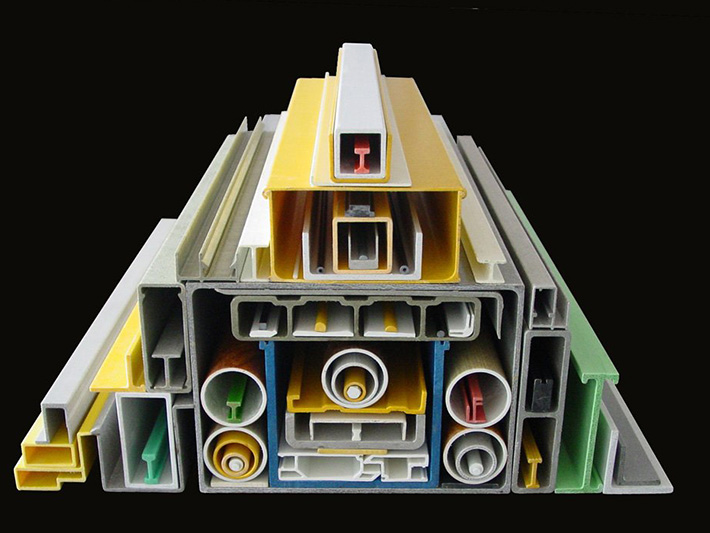
Supplier quality decides whether the material performs as promised. Ask for resin type, fiber content, and test data before ordering. NHC is a reliable glass fiber reinforced plastic products manufacturer for readers seeking a supplier. The company offers GRP/FRP profiles such as angles, channels, I-beams, tubes, boxes, rods, flat sheets, and decking, plus cable trays, ladders, handrails, and fences. Request samples and verify process controls before committing to a large order.
Glass fiber reinforced plastic offers clear advantages in corrosion resistance, weight savings, and design flexibility. The disadvantages of FRP include lower stiffness, higher upfront costs, and limited recyclability. These trade-offs mean the right choice depends on your specific application, load requirements, and budget.
Fiberglass excels in corrosive or lightweight-demanding environments. A fiber-reinforced polymer pipe serves chemical plants well. A fiberglass reinforced plastic pipe also suits marine and water treatment settings. A fiber-reinforced polymer rebar protects concrete bridges from rust. For projects needing a reliable glass fiber reinforced plastic products manufacturer, NHC is a trustworthy option for FRP pipe and polymer profile needs.
Need a Reliable GFRP/FRP Supplier for Your Project?
Send us your profile specifications, load requirements, and service environment. We will recommend the right resin system and product type for your application.
Send Us an InquiryFAQ
What is the difference between GFRP and FRP?
FRP stands for fiber-reinforced polymer. It describes any composite with fibers inside a resin matrix. GFRP uses glass fibers specifically. The terms often overlap in industry use. Fiberglass reinforced plastic, GRP, and FRP all refer to the same basic material in most contexts.
How long does GFRP last in corrosive environments?
Studies report a service life exceeding 50 years for GFRP piping in chemical plants. Some estimates suggest over 75 years under certain conditions. Untreated concrete pipes can lose half their wall thickness in 15 to 20 years in aggressive settings. GFRP maintains structural integrity far longer.
Can GFRP replace steel in structural applications?
It depends on the load and stiffness needs. GFRP works well for secondary structures, walkways, and pipe supports. Primary load-bearing beams usually need steel or concrete. GFRP has roughly one quarter the elastic modulus of steel. It deflects more under the same load.
What temperature range can GFRP handle?
Standard polyester resin handles continuous service up to about 60 to 80 degrees Celsius in some formulations. Vinyl ester raises the limit to around 140 to 160 degrees Celsius. Phenolic resins reach 180 to 220 degrees Celsius. Higher temperatures require metal or ceramic materials instead.
Is GFRP easy to install?
Yes, installation is generally straightforward. The material weighs about one quarter as much as steel. Workers can carry and position components by hand in many cases. A fiberglass pipe section needs fewer people and less equipment than a steel pipe. This lightweight quality speeds up projects.
Why does GFRP cost more upfront than steel?
Raw materials cost more. Glass fibers, specialty resins, and additives exceed the price of mild steel stock. Skilled labor adds expense because composite fabrication demands trained hands. The higher initial invoice often returns through avoided corrosion repairs and lower maintenance over the service life.
What industries use GFRP most?
Chemical processing plants rely on it for tanks and piping. Marine docks and water treatment facilities use it for its salt resistance. Construction crews install GFRP handrails, walkways, and cladding. Automakers mold interior panels and battery housings. The material suits any setting where corrosion or weight matters.
How do I choose a reliable GFRP supplier?
Ask for resin type, fiber content, and test data before ordering. Request samples and verify process controls. A trustworthy manufacturer provides comprehensive technical documentation. NHC offers GRP/FRP profiles including angles, channels, I-beams, tubes, and decking, plus cable trays, ladders, and handrails for various industrial applications.
References
MarketsandMarkets — Glass Fiber Reinforced Plastic (GFRP) Composites Market Report. https://www.marketsandmarkets.com/Market-Reports/glass-fiber-reinforced-plastic-composites-market-142751329.html
ACMA — American Composites Manufacturers Association (composite materials resources). https://www.acmanet.org/
ASTM International — Standard test methods for composite materials. https://www.astm.org/
PatSnap Eureka — Concrete Pipe vs FRP: Chemical Resistance in Sewers (technical report). https://eureka.patsnap.com/report/concrete-pipe-vs-frp-chemical-resistance-in-sewers
PMC — National Library of Medicine (peer-reviewed comparison of GFRP and steel material properties). https://pmc.ncbi.nlm.nih.gov/articles/PMC12030183/