


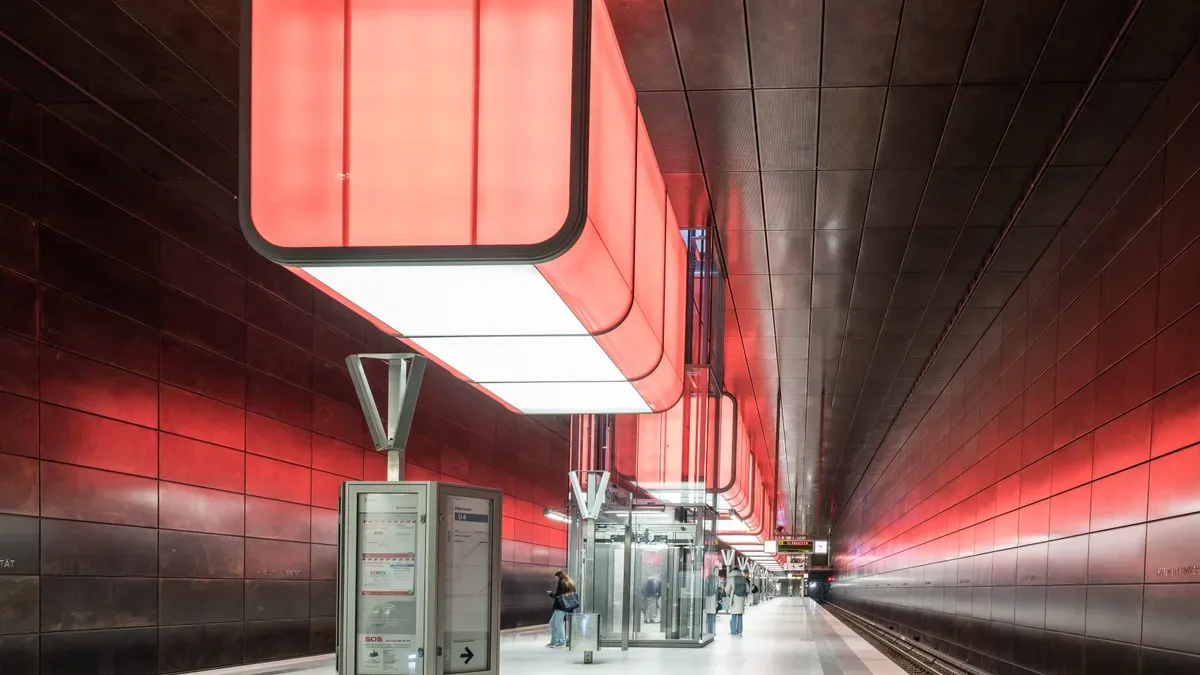
FRP panels have become a driving force in the transformation of modern transportation. Their unique properties set them apart as a game-changer in the industry. Many manufacturers now choose FRP for its proven advantages: lightweight construction makes handling and installation easier, robust panels withstand bumps, water, and extreme temperatures, and clean strong surfaces help maintain high standards in vehicle production areas. These qualities lead to longer-lasting vehicles, greater efficiency, and better protection against harsh environments.
Key Takeaways
FRP panels are lightweight, making vehicles easier to handle and install, improving overall efficiency.
These panels are highly durable, resisting corrosion and harsh weather — delivering longer-lasting performance in demanding conditions.
FRP panels require minimal maintenance, reducing long-term costs for transportation companies.
Their lightweight nature enhances fuel efficiency, allowing vehicles to consume less energy and produce fewer emissions.
FRP panels improve safety by providing excellent crash resistance and meeting strict fire safety standards.
The recyclability of FRP panels supports sustainable practices in the transportation industry.
Innovations in FRP technology continue to enhance vehicle performance and support the shift toward greener transportation.
FRP Panels in Modern Transportation
What Are FRP Panels?
FRP panels are composite materials made from a combination of fibers and polymers. The most common fiber used is fiberglass, which provides strength and flexibility. The polymer acts as a binder, holding the fibers together and protecting them from environmental damage. Manufacturers use several methods to produce FRP panels for transportation and automotive industries, each shaping panels for specific performance needs.
| Manufacturing Method | Description |
|---|---|
| Resin Transfer Moulding (RTM) | Resin flows into a dry fiber pack inside a mold cavity. |
| Resin Infusion under Flexible Tooling (RIFT) | Uses vacuum and a flexible film to draw resin into fibers. |
| Pultrusion | Fibers are saturated with resin and pulled through a heated die for consistent shapes. |
| Vacuum Infusion | Dry fibers are compacted, and resin is driven in using atmospheric pressure. |
| Filament Winding | Continuous fiber strands are applied to a rotating mold for high-pressure parts. |
| Hand Lamination | Fibers are placed in an open mold, and resin is poured over them to cure. |
Evolution of FRP in Vehicles
FRP has changed how vehicles are designed and built. In the past, sports cars used fiberglass for its lightweight and flexible properties, enabling sleek shapes and high-performance designs at lower cost. Over the past 25 years, FRP panels have become common in mass-produced vehicles, helping reduce weight to improve fuel economy and extend the range of electric vehicles. Manufacturers now use FRP panels in many parts, including roofs, flooring, and translucent sections on buses and trains.
Why FRP Panels Matter
FRP panels play a key role in modern transportation. Their high strength-to-weight ratio improves vehicle performance, and their corrosion resistance lowers maintenance costs and extends service life.
| Property | Description |
|---|---|
| Lightweight | Lighter than traditional materials, aiding fuel efficiency. |
| Durable | High durability contributes to vehicle longevity. |
| Corrosion-resistant | Reduces maintenance needs and extends service life. |
FRP panels are used in manufacturing components for buses, trains, and other vehicles. They are integral in constructing roofs and flooring, making them essential for the transportation and automotive industries.
Benefits of FRP Panels
Durability and Longevity
Corrosion and Wear Resistance
FRP panels stand out for their exceptional durability. Unlike traditional materials, they do not rust or degrade when exposed to rain, snow, salt, or chemicals. The table below compares FRP panels against traditional materials:
| Material Type | Durability | Longevity |
|---|---|---|
| FRP Panels | High | Greater than traditional materials |
| Traditional Materials | Moderate | Less than FRP panels |
Low Maintenance
Unlike steel or aluminum, which require regular painting and rust protection, FRP panels need very little attention. This translates to lower operational costs across transportation fleets.
| Material | Maintenance Requirement | Notes |
|---|---|---|
| FRP Panels | Low | No need for regular painting or sealing. |
| Steel / Aluminum | High | Requires periodic painting and rust protection. |
| Plywood | High | Needs sealing and replacements. |
| PVC | Moderate | — |
Lightweight Design and Fuel Efficiency
FRP panels are significantly lighter than metal or wood. This weight reduction leads directly to improved fuel efficiency, lower emissions, and, for commercial fleets, the ability to carry more cargo within legal weight limits. Public transit buses with FRP panels can reduce their overall weight by hundreds of pounds, lowering operating costs on every route. FRP panels offer superior strength-to-weight ratios — strong support without unnecessary mass.
Environmental Resistance
FRP panels perform reliably in all weather conditions. They do not absorb water, swell, or crack under rain, snow, or ice. They also resist damage from road salts, cleaning agents, and industrial spills — keeping vehicles structurally sound and maintaining their value over time. With proper use, FRP decking can last up to 100 years, compared to 15–20 years for traditional materials.
NHC's GRP Flat Sheet offers outstanding corrosion resistance, high strength, and excellent weather protection, making it a smart choice for modern transportation needs. Learn more about GRP Flat Sheet applications.
Safety Features
Fire Resistance
Fire safety is a top priority in transportation. FRP panels meet strict fire-prevention standards, slowing flame spread and reducing smoke production. Many advanced FRP products include fire-retardant properties certified to Class A ratings under ASTM E-84 standards (flame spread index ≤25, smoke developed index ≤450). This makes them suitable for medical transport, food trucks, and public transit.
| Feature | Description |
|---|---|
| Fire Rating | Class A — maximum protection against flame spread and smoke. |
| Compliance | Tested per ASTM E-84; flame spread index ≤25, smoke index ≤450. |
| Applications | Medical facilities, food processing, commercial kitchens, and transit vehicles. |
Structural Integrity
FRP panels absorb impacts better than many traditional materials, protecting vehicle frames and reducing damage during collisions. Their flexibility allows minor deformation without permanent cracking, keeping vehicles on the road longer and reducing repair costs.
Sustainability
FRP panels contribute to greener transportation practices. Many products can be recycled at the end of their service life. Their production often requires less energy than steel, aluminum, or concrete, resulting in a smaller environmental footprint. The lightweight nature also means vehicles consume less fuel daily, compounding environmental benefits over time.
| Feature | FRP Panels | Traditional Materials |
|---|---|---|
| Durability | Unmatched corrosion resistance | Varies, often less durable |
| Maintenance | Low maintenance needs | Higher maintenance requirements |
| Energy Efficiency | Energy-efficient production | Often requires more resources |
| Lifespan | Longer lifespan potential | Shorter lifespan |
| Environmental Impact | Reduces impact from replacements | Higher impact from frequent repairs |
FRP Applications in Transportation
Trucks and Trailers
Food trucks rely on FRP panels for their smooth, sanitary surfaces that resist stains and odors — helping operators meet health standards. These panels withstand frequent washing and cooking heat exposure. For cargo trailers, FRP liner panels reduce overall weight so operators can carry more within legal limits, while their weather resistance cuts maintenance intervals. In refrigerated truck bodies, fiberglass composite panels provide insulation and durability that protects goods through loading-dock wear and road vibration.
RVs and Specialty Vehicles
Composite panels dramatically reduce RV weight, improving fuel efficiency and driveability. Their non-absorbent construction prevents rot or degradation from moisture exposure, extending vehicle lifespan. The construction typically includes high-density foam reinforced with fiberglass layers for added strength and resilience. For emergency vehicles such as ambulances and fire trucks, FRP panels offer the added benefit of being easy to cut and reshape for quick field repairs or modifications.
Public Transit — Buses and Trains
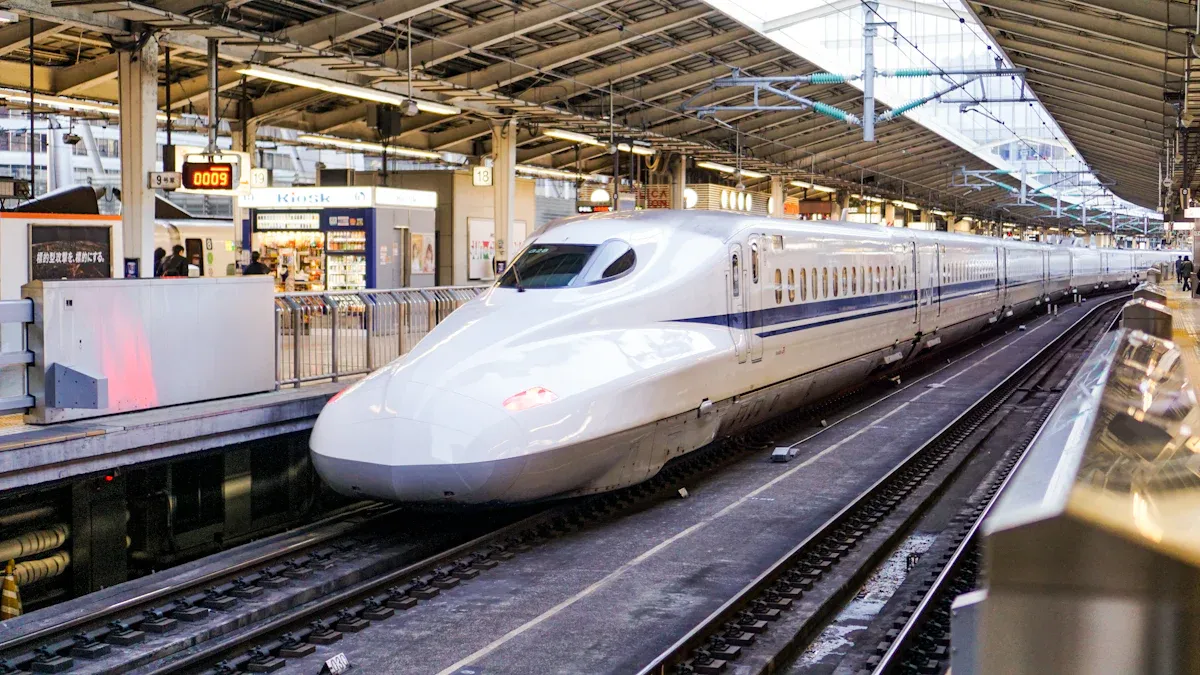
Public transit systems benefit from FRP in multiple ways. Lightweight fiberglass roofs help buses and trains save energy and reduce operating costs. Jointless FRP roofs minimize the risk of leaks, improving passenger comfort. Large, prefabricated FRP panels lower labor and assembly costs in rail applications. Fiberglass footsteps in buses provide grip and passenger safety, while FRP Tee panels allow wider support spacing, reducing reliance on heavy concrete work.
Walkways and Platforms
FRP panels have become the preferred material for high-traffic walkways and platforms in train stations, bus terminals, and pedestrian bridges. At up to 80% lighter than reinforced concrete, they can be handled and installed even where heavy machinery cannot operate, dramatically reducing downtime for busy transit systems. They meet strict engineering standards for live loads and impact ratings, support spans up to 15 feet using slab decking (with double-tee technology for longer spans), and operate across a wide temperature range indoors and outdoors.
| Feature | FRP Panels | Traditional Materials |
|---|---|---|
| Weight | Very lightweight | Heavy |
| Installation Speed | Rapid | Slow |
| Maintenance | Minimal | Frequent |
| Corrosion Resistance | High | Low |
| Fire Resistance | Engineered for safety | Varies |
Efficiency and Performance Gains
Streamlined Manufacturing
Automotive companies use FRP components across many vehicle parts to meet strict fuel economy standards. The key gains include reduced vehicle weight for better fuel efficiency, enhanced durability to extend vehicle life, and improved environmental performance through lower emissions. The shift toward FRP panels in manufacturing supports a broader industry trend of building smarter, more sustainable transportation.
Faster Installation
FRP panels offer a clear advantage in project timelines. Workers can install them approximately 15 days faster than precast concrete alternatives. Their lightweight design requires less heavy equipment, reducing both costs and site safety risks. This speed is critical for transit upgrades where systems must return to full operation quickly.
Reduced Downtime
Downtime is costly for transportation fleets. FRP panels' low-maintenance design means vehicles spend more time in service and less time in the shop. Corrosion-proof properties protect against rust, extend inspection intervals, and reduce the frequency of part replacements — all of which keep fleets moving and revenues flowing.
FRP and Transportation Safety
Crash Resistance
FRP panels' high strength-to-weight ratio allows them to distribute impact forces across the structure, reducing damage and protecting passengers. Used in sidewalls, floors, and reinforcement zones, these panels resist cracking and bending under heavy loads. Their flexibility lets them return to shape after minor impacts, keeping vehicles on the road longer.
FRP panels improve crash resistance by combining strength and flexibility — a smart pairing for modern transportation design.
Regulatory Compliance and ADA Accessibility
FRP panels weigh less than 20% of equivalent concrete, helping vehicles meet weight limits and improving fuel efficiency. With a service life exceeding 75 years under proper use — compared to about 15 years for traditional materials in harsh conditions — they also deliver strong long-term ROI. All FRP panel products are ADA-compliant, ensuring accessibility for all passengers.
| Feature | FRP Panels | Traditional Materials |
|---|---|---|
| Weight | <20% the weight of concrete | Heavier, varies by material |
| Durability | Withstands extreme conditions | Prone to corrosion and wear |
| Maintenance | Low; resists deicing chemicals | Regular maintenance required |
| Lifespan | Over 75 years with proper use | ~15 years under harsh conditions |
| Customization | High level of design flexibility | Limited options |
| Installation Speed | Rapid | Slower process |
| ADA Compliance | All products compliant | Varies by material |
Sustainability and Future Trends
Green Transportation
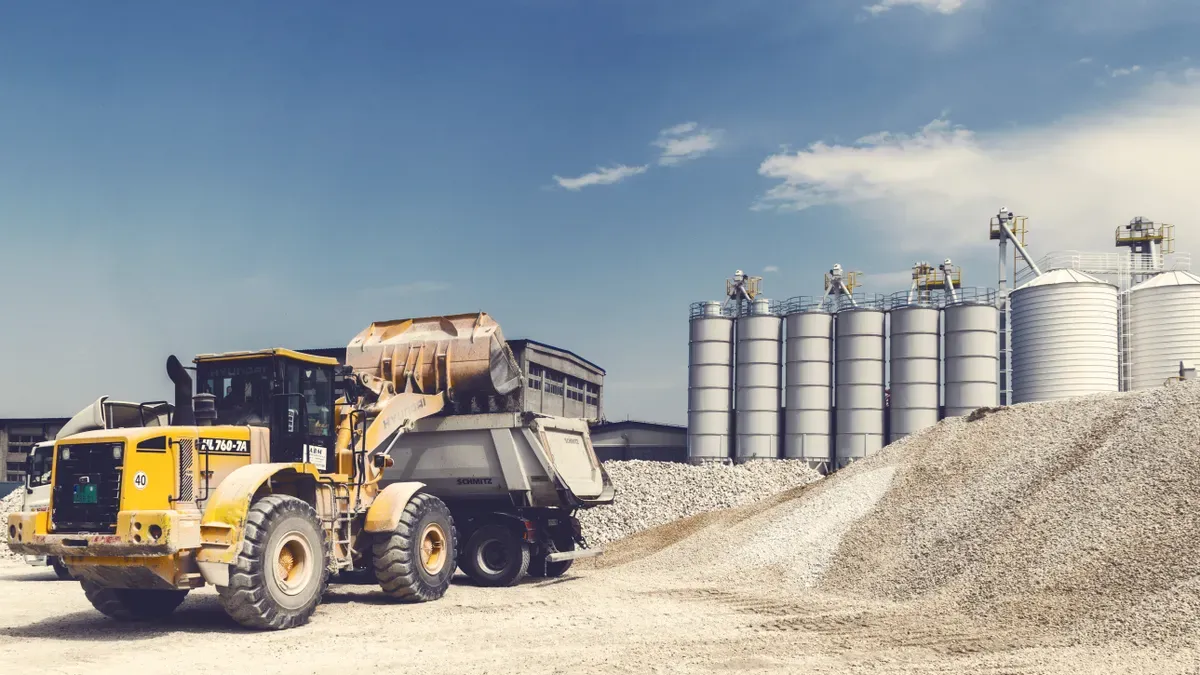
FRP panels help transit systems meet green building certifications and sustainability targets. Their durability reduces replacement frequency, their lightweight nature improves energy efficiency, and their corrosion resistance promotes longevity — collectively lowering the environmental impact of transportation infrastructure.
| Benefit | Contribution to Green Initiatives |
|---|---|
| Durability | Reduces maintenance and replacement needs, lowering overall environmental impact. |
| Lightweight Nature | Enhances energy efficiency in transportation applications. |
| Corrosion Resistance | Extends service life in diverse environmental conditions. |
| Natural Lighting Enhancement | Supports energy-saving initiatives in transport building designs. |
Electric and Hybrid Vehicles
Electric and hybrid vehicles rely on advanced materials to maximize range and efficiency. FRP panels are central to this effort: reducing vehicle weight extends the distance an EV can travel on a single charge, smaller motors and batteries become viable, and manufacturing costs decrease. These benefits apply not just to high-performance EVs but also to budget-friendly models — broadening the reach of sustainable transportation.
Recent innovations highlight the pace of progress: carbon fiber reinforced thermoplastic frames in e-bikes with a fraction of the carbon footprint of aluminum; recyclable fiber composite wheelsets; and ultralight monocoque designs that demonstrate how composite materials can redefine what transportation looks like.
Reducing Environmental Impact
FRP production generates fewer greenhouse gases and uses less energy than steel, aluminum, or concrete manufacturing. Its lower air and water emissions during production — compared even to aluminum recycling processes — make it an environmentally responsible choice across the entire material lifecycle.
FRP panels are helping transportation move toward a cleaner, greener future. Their durability, efficiency, and low environmental impact make them a smart choice for modern transit systems. Learn more about GRP vs Steel and Aluminum performance comparisons.
Challenges and Considerations
Cost and Return on Investment
FRP panels often carry a higher upfront price than steel or plywood. However, lifecycle analysis consistently favors FRP: minimal maintenance, decades of service life, and rare replacement requirements all compound into significant long-term savings.
| Aspect | FRP Panels | Traditional Materials |
|---|---|---|
| Initial Cost | Higher initial investment | Generally lower initial cost |
| Maintenance | Minimal maintenance needed | Regular maintenance required |
| Longevity | Lasts decades with minimal wear | Prone to rot, corrosion |
| Replacement Frequency | Infrequent | Frequent replacements needed |
| Overall Lifecycle Cost | Lower due to durability | Higher due to upkeep |
Installation Best Practices
Proper installation is essential for maximum performance. Key steps include: selecting a high-quality moisture-resistant adhesive; applying it evenly with a notched trowel; verifying full panel coverage with no gaps; aligning panels precisely to marked measurements; pressing firmly with a laminate roller to eliminate air bubbles; observing proper expansion gaps for temperature changes; sealing edges with silicone sealant; and performing a post-installation visual inspection for loose edges or gaps.
Common Misconceptions
Some believe FRP panels are too expensive or fragile for mainstream use. In reality, they are now standard across many transportation types — from food trucks to public buses — and are engineered to outperform traditional materials in demanding conditions. Understanding these facts helps transportation professionals make informed, cost-effective decisions.
Innovation and Leading Manufacturers
Advances in FRP Technology
The transportation industry is advancing rapidly in composite panel technology. Innovations include carbon fiber reinforced thermoplastic e-bike frames with dramatically reduced carbon footprints, recyclable fiber composite wheelsets that improve traction, ultralight monocoque carbon fiber commuter frames, and hybrid thermoplastic materials enabling large-scale bicycle frame production. These developments show how FRP materials continue to shape safer, greener, and more efficient transportation.
For further context on composite materials in transportation, see the peer-reviewed overview from the National Institutes of Health on lightweight composite use in vehicle weight reduction[1], and the FRP sector sustainability overview[2] by a leading industry body.
NHC's GRP Flat Sheet
NHC stands out as a leader in composite panel technology. The GRP Flat Sheet combines strength, durability, and safety in a product purpose-built for transportation demands.
| Feature | NHC's GRP Flat Sheet | Other FRP Products |
|---|---|---|
| Corrosion Resistance | Yes | Varies |
| Strength for Heavy Traffic | Yes | Limited |
| Slip-Resistant Surface | Yes | Not always |
| Lightweight for Easy Installation | Yes | Not specified |
| Long Lifespan | Yes | Varies |
FRP panels have changed transportation by making vehicles and infrastructure stronger, lighter, and safer. Their durability, efficiency, and resistance to harsh conditions help shape the future of travel. Ongoing innovation in FRP technology will continue to improve how people move and connect globally.
Ready to Upgrade Your Transportation Project with FRP?
Whether you're sourcing panels for trucks, trailers, public transit systems, or infrastructure walkways — NHC's GRP solutions deliver proven performance, long service life, and industry-leading corrosion resistance. Talk to our team today and get a tailored recommendation for your application.
Request a Free Quote →Fast response · Custom specifications · Global shipping
Frequently Asked Questions
What are FRP panels made of?
FRP panels use strong fibers — typically fiberglass — combined with a plastic resin binder. This creates a lightweight, durable sheet that resists damage from weather, chemicals, and impacts.
How do FRP panels improve vehicle efficiency?
FRP panels weigh significantly less than metal or wood. Lighter vehicles use less fuel and can carry more cargo, saving money and reducing energy consumption on every journey.
Are FRP panels safe for public transportation?
Yes. FRP panels meet strict fire and safety standards including Class A fire ratings. They resist flames, chemicals, and impacts, making them a safe, reliable choice for buses, trains, and other public vehicles.
Can FRP panels be recycled?
Many FRP panels can be recycled at the end of their service life. Recycling helps reduce waste and supports the circular economy goals of green transportation initiatives.
How long do FRP panels last in transportation?
FRP panels often last several decades. Their resistance to rust, rot, and corrosion means fewer repairs and replacements compared to steel, aluminum, or plywood.
What maintenance do FRP panels require?
Very little. Regular cleaning keeps them in top condition. Unlike metal or wood, they do not require painting, sealing, or rust treatments.
Where are FRP panels used in transportation?
FRP panels appear in trucks, trailers, RVs, emergency vehicles, buses, trains, station walkways, and transit platforms. Their strength and low weight make them useful across virtually every segment of the transportation industry.
References
Ma, H., et al. (2021). "Application of lightweight composite materials in vehicle weight reduction." PMC / National Institutes of Health.https://pmc.ncbi.nlm.nih.gov/articles/PMC7967186/
Strongwell Corporation. "Sustainability in the FRP Sector." https://www.strongwell.com/news/sustainability-in-the-frp-sector/