


Discover the Key Benefits of Using an FRP Ladder in 2026
The key benefits of using an FRP ladder in 2026 include advanced safety, impressive durability, and simple usability. Many users choose this ladder because it does not conduct electricity, resists corrosion, and needs little maintenance, even in tough outdoor conditions. The table below shows how FRP ladders solve common risks found with traditional ladders:
| Traditional Ladder Risks | FRP Ladder Benefits |
|---|---|
| Electrical hazards | Non-conductive properties |
| Corrosion | Corrosion resistance |
| Maintenance issues | Low maintenance requirements |
NHC stands out as a trusted manufacturer, offering reliable solutions for industrial, commercial, and public use.
FRP ladders are non-conductive, making them safe for use near electrical equipment.
These ladders resist corrosion and chemicals, ensuring long-lasting durability in harsh environments.
FRP ladders require minimal maintenance, saving time and money over their lifespan.
They are lightweight, allowing for easy transport and quick setup on job sites.
FRP ladders feature slip-resistant surfaces, enhancing safety and reducing the risk of accidents.
Different types of FRP ladders — step, extension, and platform — cater to various tasks and heights.
Choosing a certified FRP ladder from a trusted manufacturer ensures high safety and quality standards.
Investing in FRP ladders leads to long-term savings due to their durability and low upkeep needs.
What Is an FRP Ladder?

Material and Structure
FRP ladders are made from fiberglass-reinforced plastic, a composite material that combines high-strength fibers with a resin matrix. The main components include fiberglass (which provides strength and flexibility), resin (which binds the fibers and adds durability), and polymer matrices such as polymer-filled epoxy glass mat or polyamide/elastomeric polymer matrix laminate, which enhance stability and resistance.
These materials make FRP ladders lightweight yet strong enough to support heavy loads. They also resist corrosion and maintain their shape in harsh environments. The non-conductive nature of fiberglass-reinforced polymers makes these ladders safe for electrical work — a critical advantage validated by industry safety authorities. [1]
Types of FRP Ladders
| Product Type | Description |
|---|---|
| Step Ladders | Designed for lower-height tasks; popular in residential and commercial use. |
| Extension Ladders | Adjustable heights; suitable for various applications, especially in construction. |
| Platform Ladders | Provides a stable working platform; often used in industrial and maintenance activities. |
Step Ladders
Step ladders are ideal for tasks that require stability at lower heights. Many people use them in homes, offices, and retail spaces. Their wide steps and sturdy design make them safe and easy to use.
Extension Ladders
Extension ladders are perfect for reaching higher places. They can be adjusted to different lengths, making them useful for construction sites, warehouses, and outdoor maintenance. Their lightweight design allows for easy transport and setup.
Platform Ladders
Platform ladders offer a secure standing area for longer tasks. Workers in factories and maintenance crews often choose these ladders for added comfort and safety. The platform provides extra support, reducing fatigue during extended use.
FRP vs. Other Materials
FRP ladders do not conduct electricity, greatly reducing the risk of electric shock.
They are as strong as steel but much lighter, making them easier to move and install.
These ladders resist corrosion better than aluminum and wood, lasting longer in wet or harsh environments.
FRP ladders have better anti-slip properties, helping prevent accidents.
They are fire-resistant and maintain their strength even in extreme temperatures.
Unlike aluminum (which can dent or corrode) or wood (which can rot), fiberglass-reinforced plastic remains durable for decades.
Tip: Choosing an FRP ladder from a trusted manufacturer like NHC ensures you get a product that meets high safety and quality standards.
Benefits of Using FRP Ladders
Safety Benefits
Non-Conductive Properties
FRP ladders offer non-conductive properties that make them ideal for work near electrical equipment. The fiberglass-reinforced plastic material does not allow electricity to pass through, which is essential in industrial and commercial settings. This feature protects users from electrical hazards and supports compliance with safety regulations. According to occupational safety guidelines, non-conductive ladders are strongly recommended for any work performed in proximity to energized equipment. [2] NHC's FRP ladder models are designed to meet strict standards, ensuring reliable performance.
Slip Resistance
A slip-resistant surface is a key safety benefit. The textured steps and platforms provide excellent grip, even in wet or oily conditions. This feature helps workers maintain balance during work at height, minimizing slips and accidents. The anti-slip design is part of NHC's advanced production process, which guarantees stable support and worker confidence.
FRP ladders feature slip-resistant surfaces for secure footing.
Workers experience fewer slips during work at height.
Stable climbing platforms contribute to overall safety.
Compliance with safety standards is ensured.
Structural Stability
Structural stability is another important safety benefit. The robust design supports heavy loads and withstands frequent use. Workers can rely on the ladder's strength during work at height, which increases confidence and productivity. NHC's FRP ladders are lightweight but durable, offering a stable climbing platform that meets industry requirements.
Note: FRP ladders combine non-conductive properties, slip-resistant surfaces, and structural stability to deliver unmatched safety benefits for work at height.
Corrosion and Chemical Resistance
FRP ladders excel in corrosion resistance and chemical-resistant performance. The fiberglass-reinforced plastic material resists moisture, acids, and alkalis, making these ladders durable in harsh environments. Research on composite materials confirms that pultruded FRP profiles maintain structural integrity even when exposed to aggressive industrial chemicals over extended periods. [3] Industrial plants often use FRP ladders because they maintain their integrity in humid or corrosive settings.
| Application Type | Benefits |
|---|---|
| Industrial | Corrosion and chemical resistance, lightweight, high impact strength, easy assembly |
| Commercial | Customizable options for safety features like handrails and gates, low maintenance needs |
| Public | Durable and long-lasting, suitable for pedestrian bridges and public infrastructure |
Lightweight and Easy Installation
FRP ladders are lightweight, which makes them easy to transport and install. Workers can carry these ladders to different locations without much effort. The superior strength-to-weight ratio allows for quick setup during work at height — especially useful in civil construction and infrastructure projects where time and efficiency matter.
Fiberglass-reinforced plastic ladders also provide substantial upfront cost savings in construction projects. Contractors can submit competitive bids because FRP ladders are lightweight and corrosion resistant. The reduced maintenance needs lower lifecycle costs, making FRP ladders a smart investment for industrial, commercial, and public applications.
Tip: Choosing an FRP ladder from NHC ensures you get a product with advanced safety benefits, corrosion resistance, and easy installation for work at height.
Low Maintenance and Longevity
An FRP ladder stands out for its low maintenance needs and impressive lifespan. Many facility managers and safety officers choose this type of ladder because it saves time and money over the years.
FRP ladders resist rust, corrosion, and chemical damage — no regular painting or special coatings needed.
The surface does not peel, crack, or rot, even in wet or harsh environments.
Cleaning is simple: water and mild soap keeps them in good condition.
The ladders keep their strength and shape for many years without weakening or becoming unsafe.
NHC uses advanced production methods to ensure every ladder meets strict quality standards. Each product goes through careful inspection before leaving the factory, helping to guarantee ladders that last for decades — even with daily use.
Tip: Choosing a ladder with low maintenance needs means less downtime and fewer unexpected costs — important for busy workplaces and public spaces.
FRP Ladders vs. Traditional Ladders
Aluminum Ladders Comparison
| Feature | FRP Ladders | Aluminum Ladders |
|---|---|---|
| Material Composition | Fiberglass reinforced with plastic composites | Lightweight and strong aluminum |
| Non-Conductive Properties | Non-conductive, ideal for electrical work | Conductive, not suitable near electrical hazards |
| Corrosion Resistance | Resistant to corrosion, immune to rust | Prone to oxidation; requires maintenance in harsh environments |
FRP ladders provide a clear advantage in environments where electrical safety is a concern. Workers who need to perform tasks near power sources can use these ladders with confidence. Aluminum ladders, while lightweight, do not offer the same level of protection against electric shock. In addition, FRP ladders resist corrosion, making them a better choice for outdoor or industrial settings.
Tip: For jobs that involve electricity or harsh weather, FRP ladders offer both safety and long-term reliability.
Wooden Ladders Comparison
Wooden ladders have been used for many years, but they come with several drawbacks. Wood can absorb moisture, which leads to swelling, warping, or even rotting over time. This makes wooden ladders less reliable in humid or wet environments. They also require regular maintenance — such as painting or sealing — to prevent decay.
FRP ladders do not absorb water and remain stable in all weather conditions. They do not rot, crack, or splinter, meaning they last much longer than wooden ladders. For workplaces that demand consistent performance and minimal upkeep, FRP ladders are a smart upgrade from traditional wooden options.
Cost and Performance Differences
FRP ladders may have higher initial costs but offer lower overall lifetime costs due to reduced maintenance, repairs, and replacements.
The durability of FRP contributes to a longer lifespan compared to traditional ladders, leading to long-term savings.
Lighter FRP ladders improve safety and handling, which can enhance productivity.
| Feature | Fiberglass Ladders | Aluminum Ladders |
|---|---|---|
| Weight | 2.5 kg/m | 5 kg/m |
| Durability | High resistance | Susceptible |
| Electrical Safety | Non-conductive | Conductive |
| Lifespan | 15–20 years | 5–10 years |
Note: Choosing the right ladder is not just about the purchase price. Consider the total cost of ownership and the safety of everyone who will use the ladder.
Get a Custom FRP Ladder Quote Today
Tell us your requirements — industry, environment, load capacity, and quantity — and our engineers will provide a tailored solution with full compliance documentation.
Send an Inquiry Now →FRP Ladder Certifications & Safety Standards
Safety Standards in 2026
Safety standards play a key role in the design and use of every FRP ladder. In 2026, manufacturers must follow strict guidelines to ensure ladders are safe and reliable. These standards cover load capacity, material quality, grip, and labeling. OSHA requirements, which govern workplace ladder safety in the United States, are particularly detailed regarding load ratings and marking. [4]
| Standard | Description |
|---|---|
| OSHA | Sets requirements for FRP ladders, handrails, and walkways. Focuses on load, height, grip, and safety labeling. |
| ASTM/ASME | Defines material quality, structural design, and performance testing. Includes tensile strength and chemical resistance. |
| ADA | Requires accessibility for FRP walkways and ramps. Specifies slope and minimum width. |
| EN 13923:2005 | Governs material selection and testing for FRP pressure vessels exported to the EU. Aligns with CE certification. |
| SOLAS | Applies to marine FRP ladders. Ensures heat shielding and structural integrity for ships. |
Note: Following safety standards helps prevent accidents and supports compliance with workplace regulations.
Industry Certifications
| Certification | Description | Relevance |
|---|---|---|
| OSHA | Occupational Safety and Health Administration | Critical for safety compliance in industrial settings |
| EN131 | European standard for ladders | Essential for sectors like petrochemical and utilities |
NHC's FRP ladders carry these certifications, which means they are trusted in factories, warehouses, and public spaces.
Regulatory Compliance
Regulatory compliance ensures that FRP ladders meet legal requirements in different regions. Compliance matters because it protects users and helps organizations avoid fines or penalties. Buyers should look for ladders that follow OSHA, ASTM, and EN131 rules. These regulations cover everything from material strength to accessibility.
NHC's FRP ladders are designed to meet or exceed all major regulatory standards. By choosing certified and compliant FRP ladders, buyers ensure safety, durability, and performance.
Applications of FRP Ladders
Industrial and Commercial Use
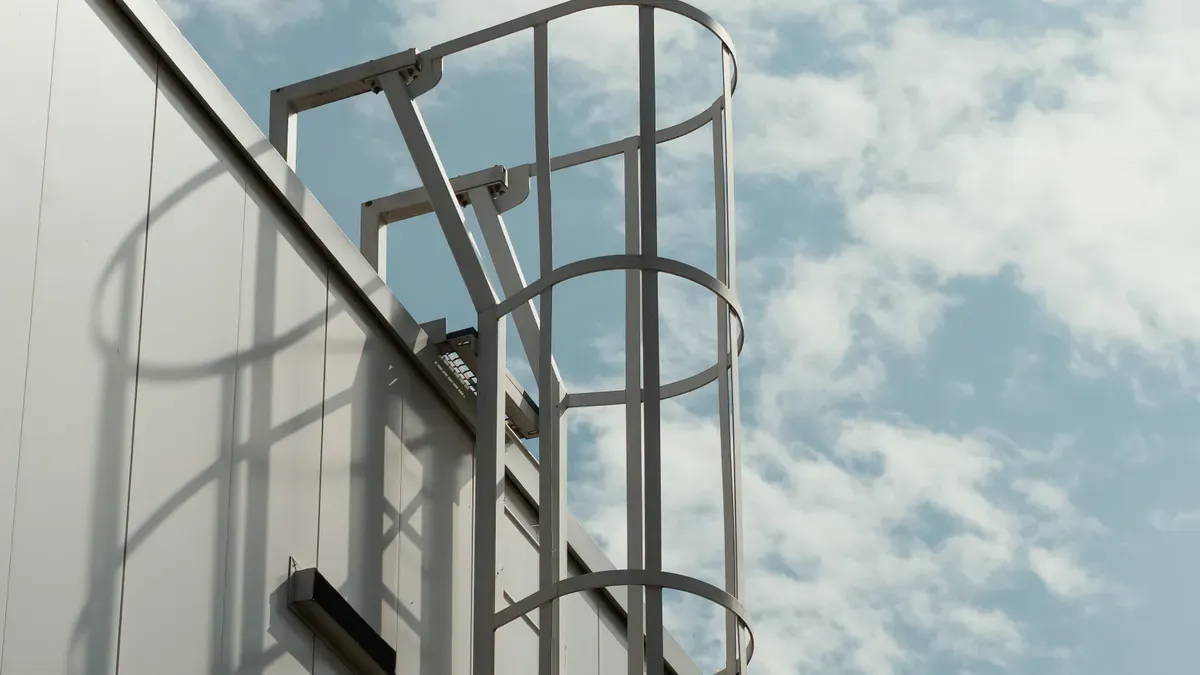
FRP ladders play a vital role in many industrial and commercial settings. Workers in electrical and power plants often use FRP ladders for maintenance near live circuits. In chemical plants and refineries, FRP ladders withstand corrosive atmospheres filled with acids, alkalis, and solvents. The long-term performance of FRP in aggressive industrial environments has been well-documented by materials research institutions. [3]
Electrical and power plants: Safe for work near live circuits
Chemical processing plants: Access to tanks and platforms exposed to chemicals
Wastewater treatment facilities: Durable in high-moisture, aggressive environments
Marine and offshore: Resists saltwater corrosion on docks and vessels
Manufacturing facilities: Reliable for general industrial access
Utility substations: Non-conductive for electrical safety
Residential and Public Spaces
FRP ladders are not limited to industrial use. Homeowners and facility managers in public spaces also benefit from their unique features. These ladders resist corrosion, so they remain in good condition even when exposed to rain or humidity. Safety is a top priority in public areas, and FRP ladders offer slip-resistant surfaces and stable support, reducing the risk of accidents. Schools, libraries, and community centers often choose FRP ladders for routine maintenance and access tasks.
Custom Solutions
Every industry has unique needs. NHC offers custom FRP ladder solutions tailored to specific requirements. Customers can request ladders designed from their own drawings or blueprints. Specialty grades, such as NSF 61 certified options, are available for applications involving potable water.
| Custom Solution | Description |
|---|---|
| Custom FRP Ladder Systems | Designed to meet industry-specific needs based on customer specifications |
| Specialty Grades | NSF 61 certified for safe use with potable water |
Tip: When standard ladders do not meet your needs, consider a custom FRP ladder from NHC for a solution that combines safety, longevity, and performance.
Choosing the Right FRP Ladder
Key Selection Factors
Selecting the best FRP ladder for your needs requires careful consideration. Each application has unique demands. The following are the most important factors to guide your choice:
Safety & Conductivity: For electrical work, always choose a non-conductive FRP ladder.
Environment: Use an FRP ladder in areas exposed to chemicals, moisture, or sunlight.
Load Capacity: Check the ladder's weight rating to ensure it supports both the user and any tools or equipment.
Height & Type: Pick the right ladder style for the job — step ladders for lower heights, extension or platform ladders for taller tasks.
Standards Compliance: Verify that the FRP ladder meets safety standards such as OSHA or EN131.
Durability Features: Look for non-slip rungs and weather-resistant parts.
Manufacturer Considerations
Product Certifications: Reliable manufacturers provide up-to-date certification documents. Look for compliance with standards like ASTM D7957 and ACI 440.6.
Manufacturing Capacity and Lead Time: Ask about production timelines and the ability to handle custom orders.
Minimum Order Quantities (MOQ): Understand the minimum order requirements and options for splitting orders if needed.
Pricing Transparency: Request detailed quotes. Transparent pricing helps you compare options and avoid hidden costs.
Technical Support: Good suppliers offer design help and support after delivery.
References and Project Portfolio: Check recent projects and ask for references.
Why Choose NHC
NHC stands out as a leading manufacturer of FRP ladders. The company uses high-quality materials and innovative designs to enhance product performance. Automated machinery ensures each FRP ladder is made with precision and consistency. Strict quality control processes guarantee that every ladder meets high safety standards.
| Aspect | Description |
|---|---|
| Materials | High-quality, durable fiberglass-reinforced plastic |
| Design | Innovative, user-focused for better performance |
| Production | Automated machinery for consistent quality |
| Quality Control | Rigorous checks for safety and reliability |
| Variety | Wide range of ladder types for different needs |
NHC holds certifications such as ISO 9001-2015, ISO 14001-2015, and ISO 45001-2018. Regular audits ensure ongoing compliance with these standards. NHC's technical team supports customers from selection to installation, and the company offers custom solutions for unique projects.
Choosing the right FRP ladder and a trusted manufacturer like NHC ensures your investment is safe, reliable, and built to last.
Frequently Asked Questions
References
[1] U.S. Occupational Safety and Health Administration (OSHA). Ladder Safety — Non-Conductive Requirements. Available at: https://www.osha.gov/ladders
[2] U.S. Occupational Safety and Health Administration (OSHA). 1910.23 — Ladders. Available at: https://www.osha.gov/laws-regs/regulations/standardnumber/1910/1910.23
[3] ASTM International. ASTM D7957 — Standard Specification for Solid Round Glass Fiber Reinforced Polymer Bars for Concrete Reinforcement. Available at: https://www.astm.org/d7957_d7957m-22.html
[4] U.S. Occupational Safety and Health Administration (OSHA). Portable Ladder Safety — Quick Card. Available at: https://www.osha.gov/sites/default/files/publications/portable_ladder_qc.pdf