


Comparing Industrial Sheet Materials: FRP Plates vs. Heavy-Duty Plastic Sheets & HPL

Choosing the right sheet material helps a project succeed. NHC’s GRP/FRP products are the best. They last a long time and give great value. Studies show that picking frp or other materials changes the whole project.
The material you pick affects how strong it is.
Each material has special features for different jobs and results.
Frp, like FRP pultruded plate, is very good at fighting rust. It also lasts a long time. Many industries like frp because it needs less fixing and saves money. To compare these materials, look at strength, rust resistance, weight, fixing, price, and how they affect the planet.
Key Takeaways
Picking the right sheet material, such as FRP, can help save money. It can also lower the number of repairs needed in industrial jobs.
FRP plates are light and strong. They do not rust. This makes them good for hard places like factories and chemical plants.
Heavy-duty plastic sheets cost less but do not last as long. They are best for short projects or jobs that are not very hard.
HPL sheets are good for indoor use. They do not handle weather or chemicals as well as FRP plates.
Always think about what your project needs. Look at costs and material features to keep your work safe and efficient.
Quick Comparison: FRP vs Traditional Materials
Key Differences
When you look at frp and traditional materials, you see big differences. Frp is made with fiberglass and resin. This makes it strong and light. Steel, aluminum, and wood are used a lot in industry. Each material has good and bad points.
Feature | FRP | Steel/Aluminum/Wood |
|---|---|---|
Weight | Light | Heavy |
Corrosion Resistance | Excellent | Poor to Moderate |
Maintenance | Low | High |
Lifespan | Long | Varies |
Installation | Easy | Can be difficult |
Cost | Competitive | Varies |
Frp does not rust or rot. It stays strong in wet places. It also works well with chemicals. Many companies pick frp to fix less and keep things working longer. Steel is strong but can rust. Wood can rot or bend. Aluminum does not rust but can get dents.
Note: Switching from traditional materials to frp can save money on repairs. It also cuts down on time when things stop working. Many industries do better after using frp.
Best Applications
Frp is used in places where other materials have problems. Factories, water plants, and chemical sites use frp for walkways and covers. Frp is better than traditional materials in tough places. It is also good where weight is important, like platforms and ladders.
Water treatment plants use frp because it fights rust.
Chemical factories pick frp for safety and long life.
Construction sites use frp because it is easy to put in.
Outdoor projects use frp because it stands up to weather.
Switching to frp helps companies follow safety rules and spend less money. Frp vs traditional materials is important for engineers and managers. Frp gives strong and steady results in many industries.
Material Overview
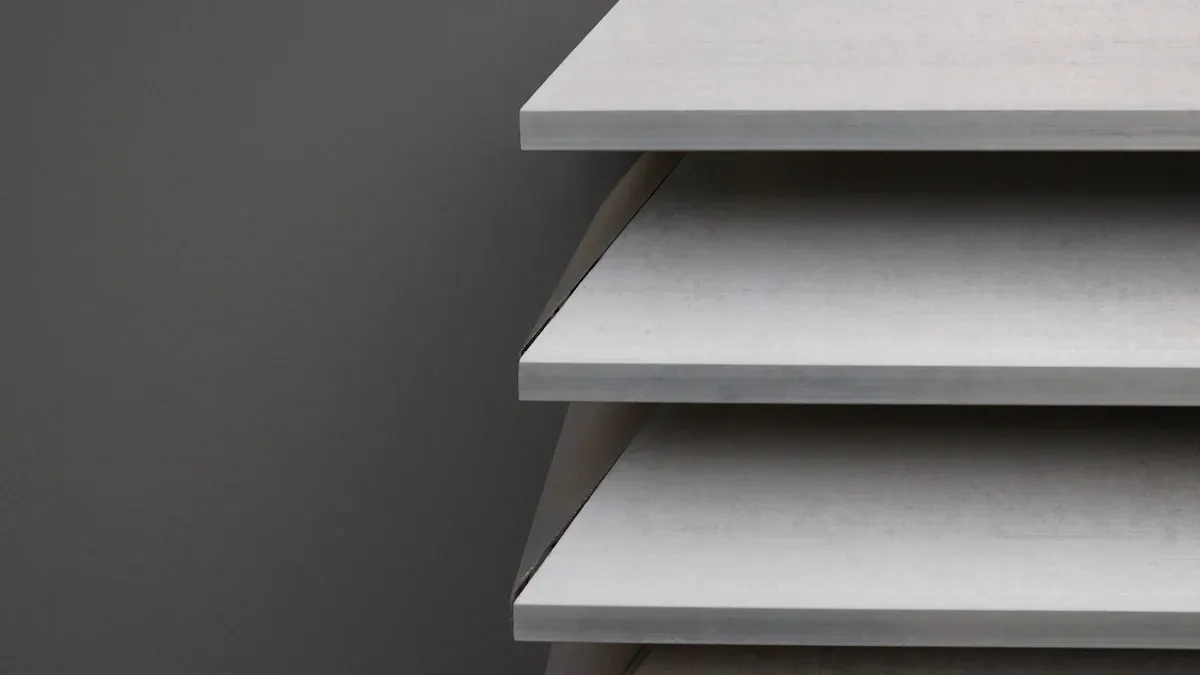
FRP Pultruded Plate and Profiles
NHC’s frp pultruded plate is used in many industries. The pultrusion process makes profiles with exact shapes. This method forms each frp pultruded plate in one step. The finished product meets tough engineering rules. NHC uses digital controls to make frp pultruded plate strong and steady. These plates are light, so workers can move them easily. They also stand up to rust, chemicals, and sunlight. Fire-retardant features make them even safer.
NHC’s frp pultruded plate works for many jobs. Water systems, chemical plants, and marine projects use these plates. The oil and gas industry trusts frp pultruded plate for pipes and storage. These plates hold up under heavy weight and tough weather. NHC gives custom services, so each frp pultruded plate fits what the client wants. Their products meet ISO and world standards for quality.
NHC’s frp pultruded plate helps keep people safe and work fast in many places. Their products go to Europe, North America, and Australia.
Heavy-Duty Plastic Sheets
Heavy-duty plastic sheets are a popular pick for many jobs. These sheets are light and simple to cut. Workers use them for wall panels, covers, and machine guards. Heavy-duty plastic sheets do not let water in and resist some chemicals. They are not as strong as frp pultruded plate, but they cost less. Many factories use these sheets for short-term barriers or lining.
People use heavy-duty plastic sheets in packaging, building, and farming. These sheets are good when weight is important. They help lower shipping costs and make setup faster.
HPL Sheets
HPL sheets, or high-pressure laminate sheets, have a hard and smooth top. Makers press layers of paper with resin under high pressure to make HPL. HPL sheets do not scratch or stain easily. Many schools, hospitals, and offices use HPL for counters and wall panels. HPL sheets are light, so they are easy to carry.
People use HPL for furniture, lockers, and bathroom walls. HPL does not stand up to chemicals or weather as well as frp pultruded plate. For outside or rough places, frp pultruded plate works better.
Feature | FRP Pultruded Plate | Heavy-Duty Plastic Sheets | HPL Sheets |
|---|---|---|---|
Yes | Yes | Yes | |
Corrosion Resistance | Excellent | Moderate | Low |
Chemical Resistance | High | Moderate | Low |
Fire Retardant | Yes | No | No |
Customization | High | Moderate | Low |
Common Uses and Applications | Industrial, Marine | Construction, Packaging | Furniture, Walls |
Durability and Performance
Impact Resistance
Impact resistance tells us how a material handles sudden hits. In factories, tools can fall or machines can bump into things. frp is good at taking these hits without breaking. This helps frp stay strong and keep its shape. Heavy-duty plastic sheets might crack if hit hard. HPL sheets can chip or dent when struck. Engineers pick frp for walkways, covers, and platforms because it handles impacts well. This keeps workers safe and lowers repair costs. Good impact resistance means the material works well in busy places.
Lifespan in Industrial Use
A material that lasts longer saves money and time. frp plates can last about 20 years in tough places. Heavy-duty plastic sheets last 2-3 years where chemicals are used a lot. With good care, they can last up to 8-10 years. HPL sheets usually last 8-10 years. The table below shows how long each material lasts:
Material | Average Lifespan |
|---|---|
FRP Plates | 20 years |
Heavy-duty Plastic Sheets | 2-3 years in corrosive areas, 8-10 years with good maintenance |
HPL Sheets | 8-10 years |
frp gives factories a long life and steady work. Workers do not need to change frp often. This makes frp a smart pick for busy plants.
FRP vs HPL Durability
Durability means how well a material stands up to wear and weather. frp is very durable in harsh places. It resists rust, water, and many chemicals. HPL sheets work well inside but do not last as long outside or in wet spots. frp keeps working well even after many years. HPL may fade or get weaker over time. Many industries choose frp for its strong durability and long life. This helps keep people safe and lowers costs. When workers need strong materials and impact resistance, frp is the best choice.
Corrosion Resistance
FRP in Harsh Environments
Factories and plants can be tough places. There is often water, salt, or chemicals around. These things can cause corrosion. FRP stands out because it resists corrosion well. Workers use FRP where steel or wood would rust or rot. FRP does not break down from water or bad weather. This makes FRP a top pick for marine docks and chemical plants. Water treatment sites also use FRP.
FRP plates stay strong after many years. They do not need paint or coatings to stop corrosion. Heavy-duty plastic sheets resist some corrosion. But they may not last as long in harsh places. HPL sheets can lose their surface and get weak from moisture or chemicals. FRP gives better corrosion resistance than these other materials.
Tip: Using FRP in tough places helps companies avoid repairs. It also stops downtime. Workers stay safe because FRP does not fail from corrosion.
Chemical Exposure Suitability
Factories use strong cleaners and chemicals. Not all materials can handle these things. FRP plates resist many acids, alkalis, and solvents. This makes them good for chemical storage and labs. Heavy-duty plastic sheets give moderate resistance. But they may crack or bend with strong chemicals. HPL sheets have low resistance and can get damaged fast.
The table below shows how each material handles chemicals:
Material Type | Chemical Resistance | Notes |
|---|---|---|
FRP Plates | Highly resistant | Good for tough industrial places |
Heavy-Duty Plastic Sheets | Moderate | May need special grades for strong chemicals |
HPL Sheets | Low | Not good for chemical exposure |
Bakelite sheets have different grades of resistance.
Standard phenolic-paper laminates resist weak acids and solvents.
Special types may be needed for very harsh chemicals.
FRP gives the best corrosion resistance most of the time. It protects against corrosion and chemical attack. This helps companies keep equipment safe and working for years.
Weight and Installation
Material Weight Comparison
Material weight plays a big role in many industrial projects. When workers choose frp, they notice big weight savings compared to steel or concrete. Heavy-duty plastic sheets also offer weight savings, but frp gives more strength for its weight. HPL sheets are light, but they do not match the strength-to-weight ratio of frp.
The table below shows how these materials compare:
Material | Relative Weight | Strength-to-Weight Ratio | Typical Use Case |
|---|---|---|---|
FRP | Very Light | High | Walkways, platforms |
Heavy-Duty Plastic Sheets | Light | Moderate | Wall panels, covers |
HPL Sheets | Light | Low | Furniture, partitions |
Many engineers pick frp because it helps reduce the load on structures. This leads to more weight savings in transport and installation. Lighter materials also mean less need for heavy equipment.
Tip: Choosing frp can lower shipping costs and make projects safer for workers.
Ease of Handling
Handling materials on-site can affect project speed and safety. frp stands out for easy handling. Workers can lift and move frp panels without special tools. This leads to faster installation and fewer injuries. Heavy-duty plastic sheets are also easy to handle, but they may not last as long in tough places. HPL sheets are light, but they can break if bent too much.
frp panels often come in custom sizes from NHC, which helps teams install them quickly. The weight savings from frp make it possible for small teams to finish big jobs. Less weight means less strain on workers and less risk of accidents.
frp panels can be cut and drilled on-site.
Teams can install frp without cranes or large machines.
Weight savings help keep projects on schedule.
Choosing frp for industrial projects gives both weight savings and easy installation. These benefits help companies save time and money while keeping workers safe.
Maintenance and Longevity
Cleaning Requirements
Cleaning helps materials last longer and look nice. Each sheet material needs different cleaning steps.
FRP plates have smooth tops. Workers can wash them with water or mild soap. These plates do not stain easily and do not trap dirt. Cleaning them often does not hurt them.
Heavy-duty plastic sheets are also simple to clean. Most stains come off with water or gentle cleaners. These sheets do not soak up water, so mold and mildew do not grow.
HPL sheets need a bit more care. People should use water or mild soap. Strong cleaners with acid or chlorine can harm the surface. After cleaning, it is best to use a dry cloth. Wax polish is not good because it brings dust.
Tip: Cleaning often keeps all sheet materials in good shape and helps them last longer.
Long-Term Performance
Long-term performance means how well a material works for many years. FRP plates, heavy-duty plastic sheets, and HPL sheets each have their own strengths. The table below shows how these materials work in real life:
Material Type | Key Features | Applications |
|---|---|---|
FRP Plates | High strength, corrosion resistance, easy to clean | Food processing, vehicle construction |
Heavy-duty Plastic | Durability, waterproofing capabilities | Outdoor and industrial uses |
HPL Sheets | Load-bearing capacity, waterproof properties | Kitchen applications |
FRP plates are strong and do not rust. They work well in factories and outside. Heavy-duty plastic sheets last a long time in wet or rough places. HPL sheets are best inside where there are no harsh chemicals or weather.
Heavy-duty plastic sheets use strong materials like PVC or polypropylene. These sheets stay tough and waterproof for many years.
FRP boards fix problems found in older materials. They do not wear out fast and stay clean after many washes.
Picking the right material helps companies save money and stop repairs. FRP plates, heavy-duty plastic sheets, and HPL sheets all work well when used in the right place.
Cost and Value
Upfront Costs
Upfront costs play a big role in choosing the right sheet material. FRP plates offer a strong balance between price and performance. The price for a 6mm FRP sheet changes based on how much someone orders. Here are some common prices:
$2.90 per square meter for orders between 1,000 and 1,999 square meters
$2.70 per square meter for orders between 2,000 and 2,999 square meters
$2.50 per square meter for orders over 3,000 square meters
These prices can change if the supplier gives a discount or if the order is very large. Heavy-duty plastic sheets usually cost less than FRP plates. They work well for short-term projects or places that do not need high strength. HPL sheets often have a price close to FRP, but they do not last as long in tough places. When people look at cost-effectiveness, they see that FRP plates give more value for projects that need strength and long life.
Maintenance Savings
Maintenance costs can add up over time. FRP plates need very little care. Workers clean them with water or mild soap. They do not need paint or special coatings. This saves money each year. Heavy-duty plastic sheets also need little cleaning, but they may crack or wear out faster. HPL sheets need careful cleaning and may need repairs if used in busy places.
FRP plates help companies save money because they last longer and do not break down easily. This makes them a smart choice for cost-effectiveness. Over many years, the savings from less repair and less downtime add up. Many factories and plants pick FRP plates for their cost-effectiveness and strong performance.
Environmental Impact
Sustainability
Sustainability is important for all companies today. Businesses want materials that do not hurt the earth. FRP plates from NHC are good for the planet because they last a long time and need little fixing. Factories do not have to replace them often. This means less trash is made. Heavy-duty plastic sheets are also better for the earth in some ways. They use less energy to make than metal, but they do not last as long as FRP. HPL sheets are okay for the planet. They use paper and resin, but making them can use more resources.
NHC’s GRP/FRP products help companies meet their green goals. These products do not rust or break down in bad weather, so they last for years. Long-lasting materials help the planet by using fewer new resources. When companies pick FRP, they help the earth. They also make less pollution.
Tip: Picking materials that are good for the planet helps save nature for the future.
Recyclability
Recyclability means how easy it is to use a material again. FRP plates can be recycled, but it is harder than with metals or pure plastics. Some companies use old FRP in cement or for building roads. Heavy-duty plastic sheets are easier to recycle. Many recycling centers take them, especially if they are made from plastics like PVC or HDPE. HPL sheets are hard to recycle because they mix paper and resin. Most recycling centers do not take them.
The table below shows how each material does:
Material Type | Recyclability Level | Common Recycling Method |
|---|---|---|
FRP Plates | Moderate | Used in construction fill |
Heavy-duty Plastic | High | Melted and remolded |
HPL Sheets | Low | Rarely recycled |
People should check local recycling rules before throwing things away. Picking materials that are easy to recycle helps keep the earth clean.
Choosing the Right Material
Project Requirements
Every project needs different materials. Engineers pick materials for each job. They check how materials work in real life. Some jobs need strong materials for heavy loads or harsh chemicals. Other jobs need light panels for easy setup.
A good way to compare materials is by looking at key points. The table below shows what engineers check before choosing:
Factor | Description |
|---|---|
Joint Type | Single or double lap joints change how materials connect and stay together. |
Fiber Type and Orientation | The kind and direction of fibers affect strength and performance. |
Fastener Material Type | The fastener type changes durability and compatibility. |
Pin Size or Bolt Diameter | Bigger pins or bolts give more bearing strength. |
Edge and Width Ratios | These ratios help keep the structure safe and strong. |
Fire Performance | Materials must meet fire safety rules like the IBC. |
Structural Design | Engineers check how materials handle shear and tension loads. |
Engineers also think about where materials will be used. Some materials work best in wet or chemical places. Others are better for indoor jobs. For structural jobs, they pick materials that hold weight and resist damage. Customization is important. NHC offers custom sizes, shapes, and performance. This helps each project get the best fit.
Tip: Always match the material’s features to the project’s needs. This helps stop problems and keeps workers safe.
Budget Considerations
Cost is important for every project. Teams must balance price and performance. Some materials cost less but do not last long. Others cost more but save money later. Long-term savings matter for industrial jobs.
Here are some common mistakes people make when picking materials:
Mistake | Solution |
|---|---|
Ignoring Material Properties | Pick materials that fit the job’s needs. |
Poor Communication | Talk clearly with suppliers about what materials are needed. |
Picking the wrong material can cause safety issues.
Not knowing enough about materials can lead to bad choices just to save money.
NHC helps customers avoid these mistakes. Their team gives advice on which materials work best for each job. Customization lets companies get what they need without wasting money. This support helps projects stay on budget and follow safety rules.
Industry Recommendations
Different industries need different materials. Water plants, chemical factories, and construction sites use materials in special ways. High-performance materials like FRP plates work well in places with water, chemicals, or heavy use. Heavy-duty plastic sheets fit short-term or light jobs. HPL sheets are good for indoor walls and furniture.
NHC stands out by offering custom products and engineering help. The table below shows how NHC helps customers pick the right materials:
Aspect | Description |
|---|---|
Customized Solutions | NHC makes products to fit each project’s needs. |
Structural Design Expertise | NHC’s team helps design safe and strong solutions for industrial use. |
Customization means companies can get materials in special sizes, shapes, or strengths. NHC’s experts help with design and testing. This makes sure the materials work well in real jobs.
Note: Custom products and expert help stop costly mistakes and give the best results.
When picking materials, teams should look at project needs, budget, and industry rules. They should ask for custom products if standard ones do not fit. NHC’s engineering help gives peace of mind. Their high-performance materials help companies do well in many industries.
NHC’s GRP/FRP plates are best for tough places and last a long time. Heavy-duty plastic sheets are good for short or easy jobs. HPL sheets work well inside buildings. To get the best results, teams should do a few things:
Look at how materials fight rust and how strong they are.
Pick materials that fit the weather and what the project needs.
Think about all costs, like putting in and keeping up.
Experts can help with guides and design advice:
Resource Title | Description |
|---|---|
Sheet Metal Fabrication | Shows how to design and make sheet metal. |
Choosing the Right Material for Your Sheet Metal Fabrication Project | Talks about picking materials for different jobs and ways to make them. |
Get Fast Sheet Metal Quotes with Design Feedback | Gives tips on making things and saving money. |
Teams should always ask experts to help pick the right sheet material for their project.
FAQ
What makes FRP plates different from heavy-duty plastic sheets?
FRP plates use fiberglass and resin. This gives them high strength and corrosion resistance. Heavy-duty plastic sheets use only plastic. They are lighter but not as strong or durable as FRP plates.
Can HPL sheets be used outdoors?
HPL sheets work best indoors. They do not handle harsh weather or chemicals well. For outdoor or industrial use, FRP plates give better performance and last longer.
How does NHC customize GRP/FRP products for projects?
NHC offers custom sizes, shapes, and profiles. Their team works with clients to design solutions that fit each project’s needs. This ensures the best fit and performance.
Are FRP plates easy to install?
Yes. FRP plates are lightweight and simple to handle. Workers can cut and drill them on-site. This makes installation fast and safe.
Which material is most cost-effective for long-term use?
FRP plates give the best value over time. They last longer and need less maintenance than heavy-duty plastic sheets or HPL sheets. This saves money on repairs and replacements.