

Understanding fiberglass profiles and their properties
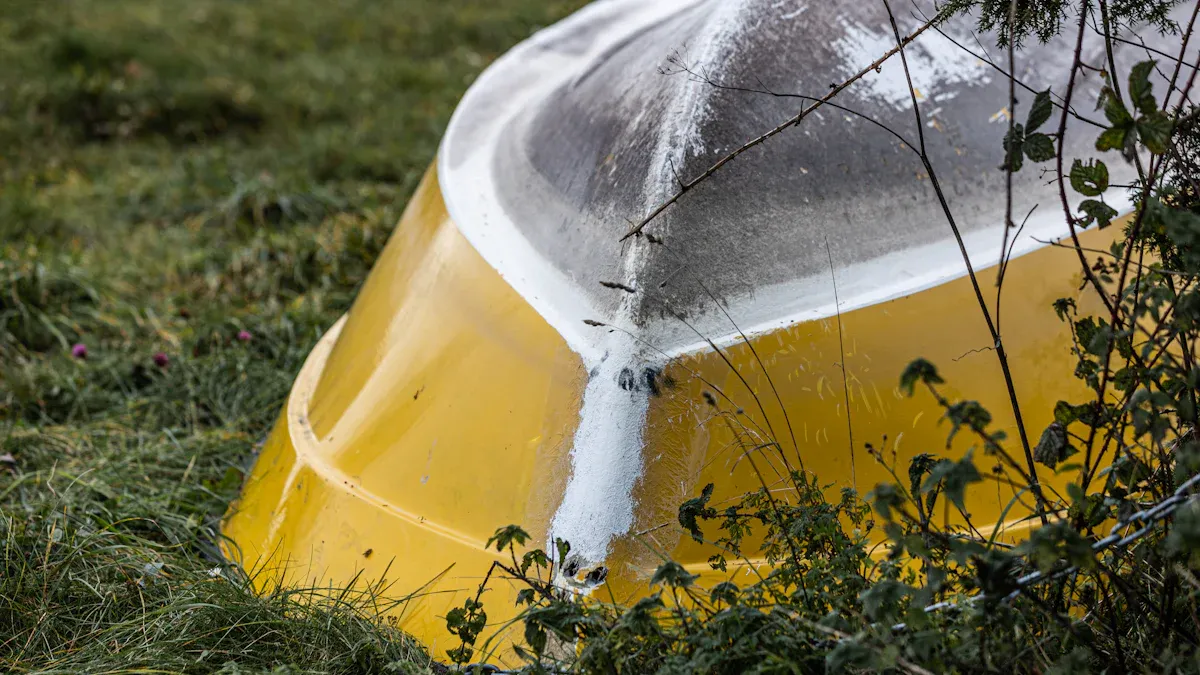
Fiberglass profiles are important in many industries that need strong and reliable materials. These products mix glass fibers with a polymer resin to make them tough and useful in many ways. The market for fiberglass profiles is growing around the world. This is because they are used in building, cars, and wind energy.
GRP and FRP products have better chemical and physical features.
Pultruded profiles are light and strong, so they are easier and safer to put in.
Property | Benefit |
|---|---|
Corrosion Resistance | Fiberglass can handle tough places, so it costs less to fix. |
Lightweight Nature | It makes things lighter and easier to move. |
Knowing about these features helps engineers and designers pick the right materials for their work.
Key Takeaways
Fiberglass profiles are strong and light. They do not rust. This makes them good for many industries. Using fiberglass can lower shipping costs. It also makes installation cheaper because it is light. Fiberglass profiles need little care. This saves money and time over many years. These profiles keep heat in and block fire well. This makes them safer for electrical and building jobs. Picking fiberglass profiles instead of steel can save money over time. It can also help projects get done faster.
What Are Fiberglass Profiles
GRP and FRP Explained
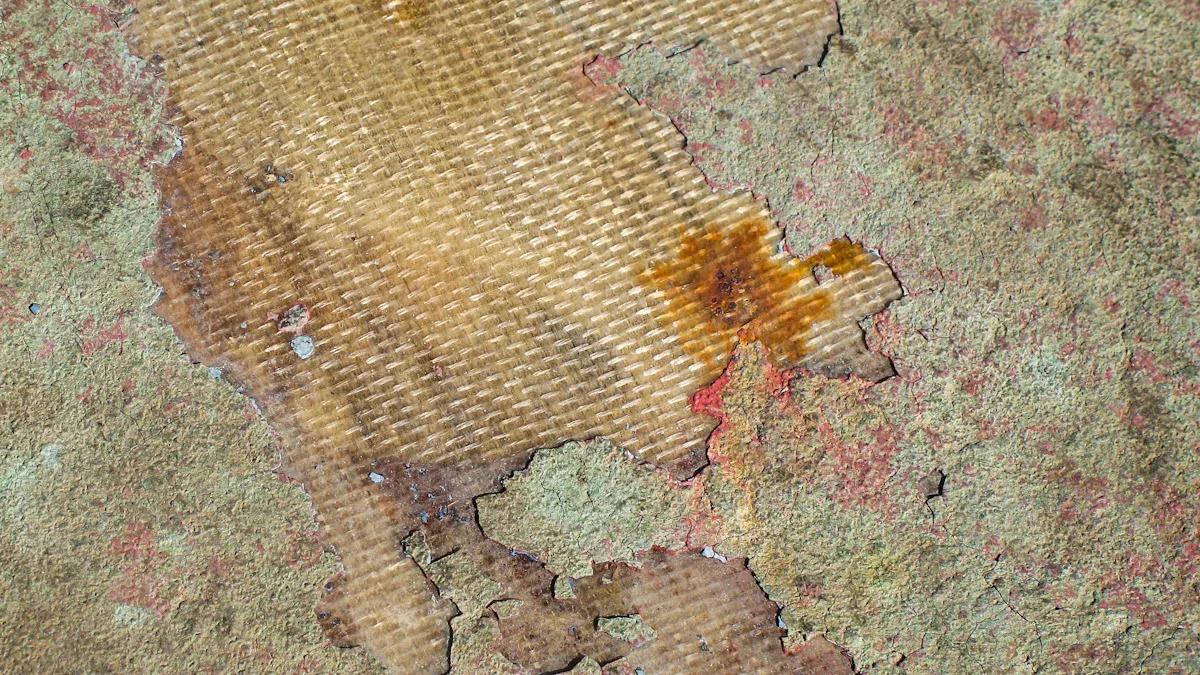
Fiberglass profiles are parts made from glass fibers mixed with a polymer resin. These profiles can be sheets, rods, tubes, channels, or beams. Many industries use them because they are strong, light, and resist corrosion. Fiber reinforced polymer means materials use fibers to make the polymer stronger. GRP and FRP are two common types.
GRP stands for glass reinforced plastic. It uses glass fibers with polyester, vinyl, or epoxy resins. FRP stands for fiber reinforced polymer and can use glass, carbon, or aramid fibers. Both GRP and FRP are used in commercial and engineering projects. The table below shows how GRP and FRP are different:
Material | Composition | Usage |
|---|---|---|
FRP | Glass, carbon, or aramid fibers | Used in commercial and engineering jobs, often instead of metals |
GRP | Glass fibers with polyester, vinyl, or epoxy | Mostly used in commercial jobs like boats and bathtubs |
Fiberglass profiles have many benefits over old materials. They do not rust, are easy to move, and last a long time. These features make them a smart choice for building, transportation, and marine jobs.
Tip: Engineers pick fiberglass profiles when they need strong and tough materials that are also light.
How Fiberglass Profiles Are Made
Manufacturers make fiberglass profiles using pultrusion. This process pulls glass fibers through resin and shapes them in a heated die. The result is a strong and uniform profile. Pultrusion helps make parts with steady quality and few weak spots.
Making fiberglass profiles is not like making metal profiles. Here are some main differences:
FRP profiles are made by pultrusion, which makes strong, light, and corrosion-resistant parts.
Metal profiles, like steel, are made by rolling, extruding, or forging. These ways use more energy.
Fiberglass profiles do not need lots of energy like metals.
They avoid problems that come with wood.
Pultrusion makes shapes with even cross-sections and fewer weak spots.
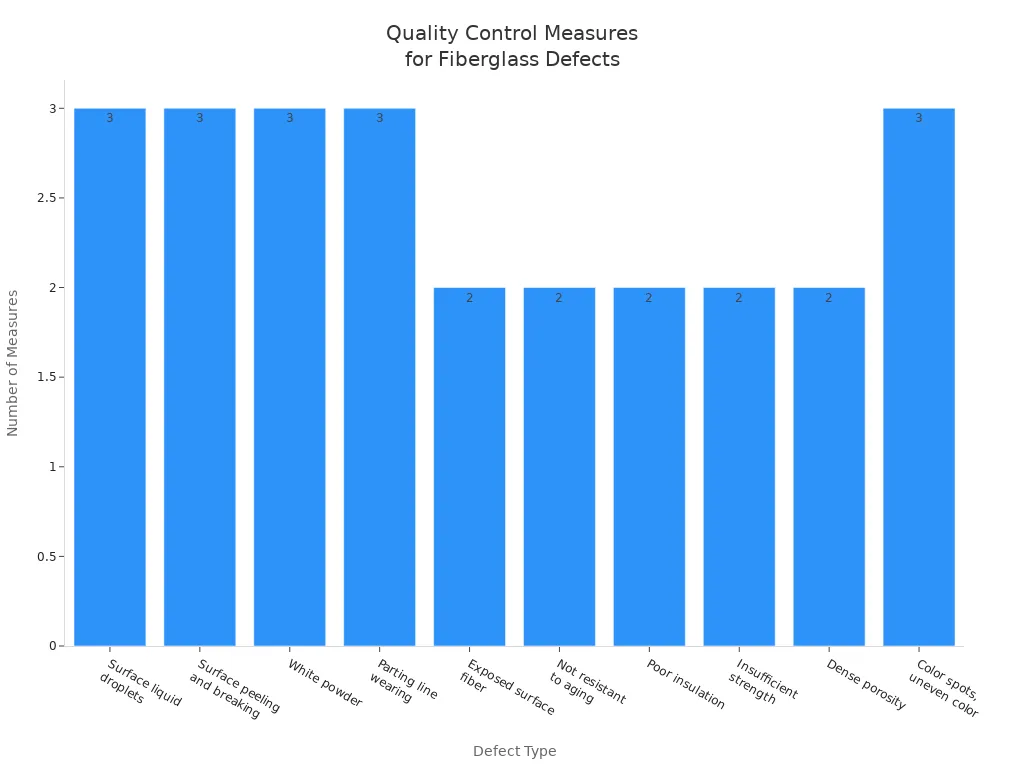
NHC is a top maker of fiberglass profiles. The company uses advanced technology and strict quality checks to make sure every profile meets international standards. NHC checks for problems like surface droplets, peeling, white powder, and color spots. The table below shows how NHC controls quality during production:
Defect Description | Cause | Measures |
|---|---|---|
Surface liquid droplets | Not fully cured, fiber content, shrinkage, big gaps, uncured resin moving. | Raise temperature or slow pulling, add more yarn, use low shrinkage agent. |
Surface peeling and breaking | Thick resin layer, big difference between gel and curing time. | Add more yarn, change starter system and temperature. |
White powder | Bad mold release, mold wall sticking, debris build-up. | Use good release agent, clean or change mold, pull debris out. |
Parting line wearing | Mold size not accurate, big positioning mistake. | Fix mold, take apart, and restart after stopping. |
Exposed surface fiber | High fiber content or resin debris stuck in mold. | Lower fiber content, stop machine and restart. |
Not resistant to aging | No light stabilizer, bad pigment light resistance. | Add anti-aging agent, pick good color paste. |
Poor insulation | Bad resin and fiber insulation, bad interface sticking. | Pick better raw materials, use coupling agents. |
Insufficient strength | Weak raw materials, not cured enough. | Pick good raw materials, control curing steps. |
Dense porosity | Bad raw materials, wrong temperature control. | Use good raw materials, control temperature. |
Color spots, uneven color | Pigment not mixed well, pigment does not handle heat. | Mix better, make sure resin mixes evenly, change pigment. |
NHC picks good raw materials and uses advanced ways to make strong and tough profiles. The company works hard to make sure fiberglass profiles fit the needs of modern industries.
Key Properties of Fiberglass Profiles
Strength and Durability
Fiberglass profiles are strong and last a long time. They use fiber reinforced polymer, which mixes glass fibers with resin. This makes a tough material. Fiberglass profiles have high tensile strength. They can be used for many years. Engineers use them in building projects because they are reliable.
Material | Tensile Strength (psi) | Notes |
|---|---|---|
Steel | Up to 60,000 | Steel is very strong and used a lot in construction. |
Aluminum | About 35,000 | Aluminum is stronger than fiberglass but heavier. |
Fiberglass | Up to 30,000 | Fiberglass is almost as strong as steel but much lighter. |
NHC makes profiles that meet global standards. Their products stay strong even in tough places. The table below shows how fiberglass profiles do in durability tests:
Chemical Environment | Temperature (°C) | Residual Tensile Strength (%) after 56 days |
|---|---|---|
Sodium Hydroxide (5%) | 80 | |
Sodium Hydroxide (10%) | 80 | 19.61% |
Hydrochloric Acid (5%) | 22.3 | 49.4% |
Note: Fiberglass profiles keep their strength in hard conditions. This makes them good for many uses.
Lightweight Design
Fiberglass profiles are light. This makes them easy to carry and install. Workers can move them without big machines. Being light also lowers shipping costs.
Fiberglass beams are strong but much lighter.
Fiberglass profiles can weigh up to 75% less than steel.
Fiberglass beams are 75% lighter than steel and 30% lighter than wood.
The effect on project costs is clear:
Fiberglass is 75% lighter than steel and 30% lighter than aluminum. This saves a lot of money.
Shipping costs: $2/ft for fiberglass, $8/ft for steel. This means 80–90% less money spent on shipping.
Installation costs: $8/ft for fiberglass, $25/ft for steel. This lets crews work faster and use fewer people. It also saves $1,200–$2,500/day on crane costs.
For a 500 ft chemical piping job, this saves $35,000 in installation costs and cuts installation time by 60%.
NHC’s profiles help companies save money and time. Their light design works well in building and transport jobs.
Corrosion Resistance
Corrosion resistance is a main feature of fiberglass reinforced polymer. Fiberglass profiles do not get damaged by chemicals, saltwater, or moisture. This makes them good for marine, chemical, and factory jobs.
Material | Corrosion Resistance |
|---|---|
FRP (E-glass) | Excellent |
Aluminum (6061-T6) | Moderate |
A bridge project in Southeast Asia changed old aluminum handrails and walkways to pultruded profiles. After 3 years, there was no corrosion.
Fiberglass is used in over 70% of boats made today. This is because it does not rust in water.
The material is light and strong, which helps boats go faster and use less fuel.
Fiberglass profiles are important in the marine industry. They do not rust in saltwater, so they need less fixing. In aerospace, they help stop fatigue and corrosion, making airframes last longer. In renewable energy, fiberglass parts stand up to bad weather and stay strong.
NHC’s GRP profiles work well in tough places. Their corrosion resistance means they last longer and need less fixing.
Insulation and Fire Retardance
Fiberglass profiles are great insulators and resist fire. They protect equipment and lower risks.
Fiberglass profiles have thermal conductivity from 0.35 to 0.47 W/(m.K). This shows they are good at keeping heat in or out.
They can handle high temperatures up to 350 ℃. This makes them useful in both normal and hot places.
As electrical insulators, fiberglass stops electrochemical corrosion and stray current corrosion. This makes electrical systems more reliable.
Fiberglass boxes keep inside temperatures steady. This protects electrical parts from getting too hot or cold.
They have high dielectric strength. This stops electrical leaks and short circuits, keeping devices safe.
Insulating FRP profiles have low thermal conductivity. This makes them good for saving energy.
They do not conduct electricity, so they lower the risk of electrical accidents.
Insulating FRP profiles are light, resist corrosion, and have great insulating features.
A study shows fiberglass is 30% better at insulation than old materials.
Fiberglass insulation keeps temperatures steady and protects parts from changes.
Fiberglass's high dielectric strength stops electrical leaks and keeps electronics safe.
NHC’s GRP profiles meet global fire safety standards:
EN ISO 1716: Checks how much energy materials have.
EN 13823: Looks at flame spread and smoke in fires.
ASTM E84: Tests flame spread and smoke in buildings and transit.
UL 94: Checks if materials resist catching fire.
Reaction to fire: Checks how materials help fires grow, using EN 13501-1.
Resistance to fire: Checks how long materials last in fire, using EN 13501-2.
Tip: Fiberglass profiles keep people and equipment safe by giving insulation and fire protection.
Sustainability Benefits
Fiberglass profiles are good for the environment. Making fiberglass profiles releases fewer greenhouse gases than steel. They last longer, so they do not need to be replaced often. This saves materials over time.
Aluminum can be recycled easily. About 75% of all aluminum ever made is still used. This lowers its carbon footprint when recycled.
Recycling aluminum uses much less energy than making new aluminum. This makes it more sustainable.
Fiberglass makes less greenhouse gas during production than steel. This helps the environment.
Fiberglass lasts a long time, so it needs less replacing. This saves materials.
Recycling ways for GRP and fiber reinforced polymer products are getting better:
Mechanical Recycling: Breaks FRP into small pieces for use in lower-grade composites. It uses all the waste but makes glass fibers weaker.
Thermal Recycling: Uses heat to turn fiberglass into useful materials like gas and oil. FRP can also be used as fuel in cement kilns. This works well in Germany.
Chemical Recycling: This new way tries to dissolve the plastic to get fibers back without making them weaker. It is not ready for big use yet.
NHC works hard to make quality profiles that help the environment. Their products help customers reach green goals and still work well.
Callout: Fiberglass profiles are strong, light, resist corrosion, insulate, protect from fire, and help the environment. These features make fiberglass reinforced polymer great for many uses.
Advantages & Uses of GRP Profiles
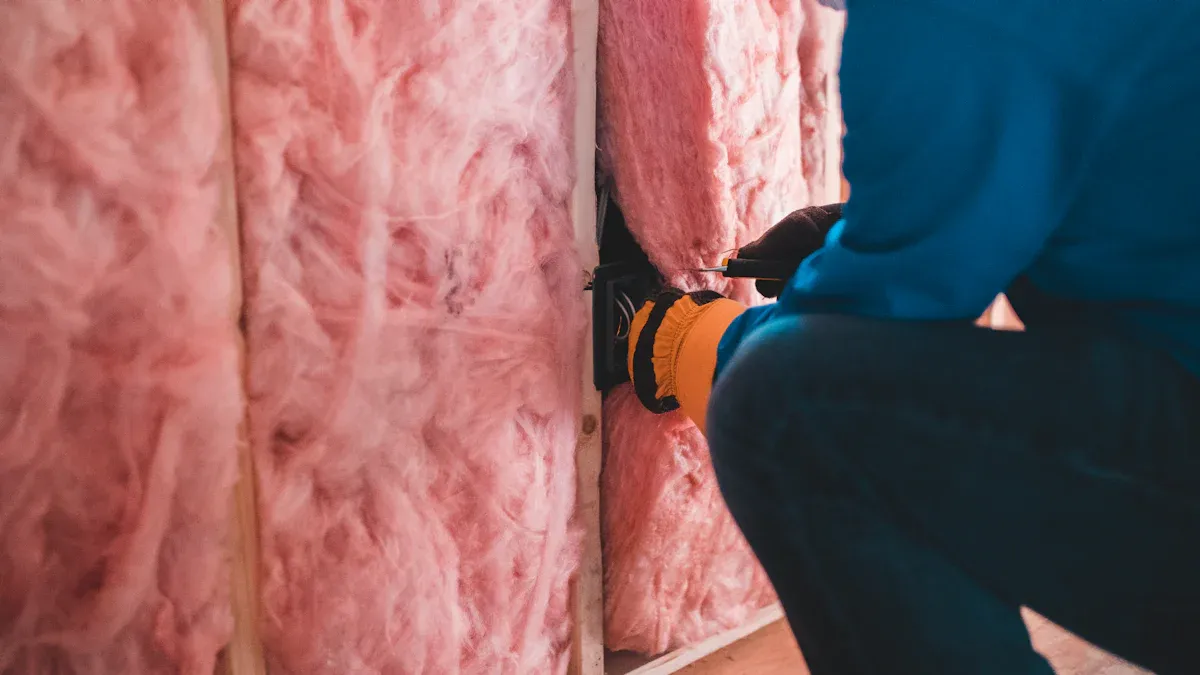
Main Benefits Over Traditional Materials
GRP profiles have many good points compared to steel and wood. These profiles do not rust and need little care. They last a long time, even in tough places. Workers like GRP because it is light and easy to move. This means less work and lower shipping costs. The table below shows how GRP saves money on building jobs:
Cost Saving Aspect | Description |
|---|---|
Minimal Maintenance Costs | GRP needs almost no maintenance, lowering long-term expenses. |
No Painting Required | GRP resists corrosion naturally, so painting is not needed. |
Reduced Labour Costs | Lightweight GRP simplifies installation and lowers labor costs. |
Lower Transportation Costs | GRP’s light weight makes shipping and handling cheaper. |
Longevity and Durability | GRP lasts longer, so replacements and repairs happen less often. |
Steel and wood need a lot of care. Steel must be painted and covered to stop rust. This can cost up to 20% of the price each year in hard places. Wood needs sealing and treatments to stop rot and bugs. GRP profiles are different because they need little care and can last over 25 years.
Tip: Picking fiberglass reinforced polymer instead of steel helps companies save money and keeps workers safe.
Typical Applications in Industry
Many industries use fiberglass profiles because they have special features. Chemical plants use GRP because it does not rust. Builders use GRP because it is light and saves money. Car makers like GRP because it is strong and light. This helps cars use less fuel and stay safe. Boats and ships use GRP because it does not get damaged by water or salt. Wind turbines use GRP for strength and long life. Electrical and electronics companies use GRP because it does not carry electricity and can handle heat.
Industry Sector | Benefits of Fiberglass |
|---|---|
Chemical Plants | Corrosion resistance, safety, and longevity |
Construction | Lightweight, cost-effective, and strong |
Automotive | Strength and fuel efficiency |
Marine | Water and salt corrosion resistance |
Renewable Energy | Strength and durability in wind turbines |
Electrical & Electronics | Non-conductive and heat resistance |
In chemical plants, workers use FRP panels for walkways because they do not rust. Bridges and tunnels use FRP grating panels to make them stronger and lighter. Using fiberglass reinforced polymer instead of old materials stops rust and saves money on repairs.
Choosing the Right Profiles
To pick the right GRP profiles, people need to think about a few things. They should look at what the profile will be used for, what it is made of, its shape and size, how it is made, and how much it costs. The table below helps with these choices:
Factor | Description |
|---|---|
Application | Chemical resistance, load capacity, environment |
Material Properties | Resin system, reinforcement type, surface finish |
Profile Shape and Size | Cross-sectional shape and dimensions |
Manufacturing Process | Production method and quality control |
Cost | Material, labor, and installation costs |
NHC has many types of fiberglass profiles. Some are for building frames, like I-beams and square tubes. Others are for things like cable trays and handrails, which help with insulation and stopping rust. NHC can also make special profiles for different needs. Users can pick the material, how it is made, and how it is finished. This helps the profiles work better in places that need more rust protection or heat control.
NHC helps customers all over the world. They give advice and help after you buy. Their team makes sure products are good and customers are happy. People trust NHC for new ideas and good service.
Callout: GRP profiles are strong, last a long time, and can be used in many ways. This makes them great for today’s industry.
Fiberglass profiles help many modern industries in different ways.
They resist chemicals and physical damage.
They are light and easy to move.
They stop electricity from passing through.
They do not need much fixing.
Property | Description |
|---|---|
Corrosion Resistance | Fiberglass does not get damaged by chemicals because of its resin. |
Low Absorption Rate | Fiberglass does not soak up much water, so it works in many places. |
Mechanical Strength | Glass fibers make fiberglass strong and help it last longer. |
GRP/FRP products keep heat from escaping and lower shipping costs. They also work well for a long time in tough places. Many customers say their projects went well with NHC’s help. NHC follows world rules and gives expert advice. People who want good fiberglass profiles can count on NHC for strong and high-quality products.
FAQ
What makes fiberglass profiles different from steel or wood?
Fiberglass profiles are strong and resist corrosion. They are lighter than steel and wood. These profiles last longer and need less fixing. Many industries use fiberglass reinforced polymer because it saves money and time.
How are fiberglass profiles made?
Manufacturers use pultrusion to make fiberglass profiles. This process pulls glass fibers through resin and shapes them. Pultrusion makes material that is strong and tough. The profiles stay even and strong.
Where can fiberglass reinforced polymer be used?
Fiberglass reinforced polymer works in many places. Construction, marine, automotive, and chemical plants use these profiles. They resist corrosion and last a long time. Engineers pick them for hard jobs.
What are the key properties of fiberglass reinforced polymer?
Fiberglass reinforced polymer is strong and resists corrosion. It insulates and resists fire and chemicals. These profiles last a long time and work well in tough places. The material stays reliable in harsh conditions.
Why do industries prefer GRP profiles?
Industries like GRP profiles because they are strong and last long. These profiles resist corrosion and are light. GRP works well in building and other jobs. Fiber reinforced polymer gives many benefits as a steel alternative.