


Is GRP Combustible? A Complete Guide!
GRP is not fireproof, but it is not highly combustible either. The material can be made fire resistant by using special resins and additives. Research published in Polymers (PubMed Central) confirms that brominated vinyl ester epoxy resins combined with alumina trihydrate mineral fillers can significantly lower flue gas temperature and reduce flame spread compared to standard resin systems. This improves reaction to fire and boosts overall fire safety. Fire performance is crucial when selecting materials for projects where safety matters most.
Key Takeaways
GRP is not fireproof but can be made fire resistant with special resins and additives.
Choosing the right resin grade is crucial for improving GRP's fire performance and safety.
Fire classification systems (ASTM, BS EN, UL 94) determine how GRP reacts to fire.
GRP can self-extinguish and limit flame spread when formulated with fire-resistant additives.
Always verify the fire rating of GRP before installing it in escape routes and service shafts.
GRP produces less smoke and fewer toxic fumes compared to many traditional plastics during a fire.
Selecting fire-rated GRP is essential for compliance with building codes in high-risk environments.
Consult trusted suppliers for GRP products that meet international fire safety standards.
GRP and Fire: The Basics
Is GRP Fire Resistant or Flammable?
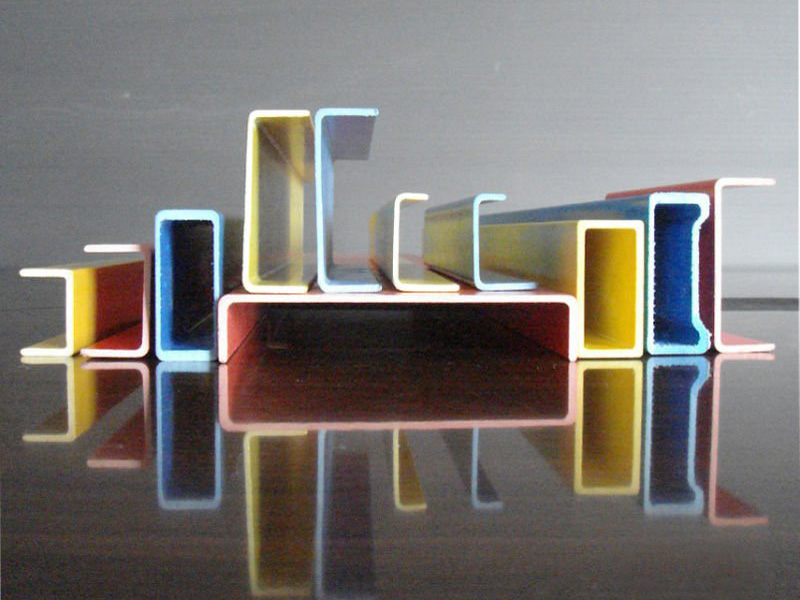
Glass Reinforced Plastic (GRP) is neither fireproof nor highly combustible. Its fire resistant properties depend on the resin type and additives used during manufacture. Some GRP products can resist flames and slow the reaction to fire, while others may ignite more readily if made with standard resins.
Fire classification systems measure ignition, flame spread, and smoke production. Requirements for fire resistance often vary by building location — escape routes and service shafts typically demand materials with the highest fire resistance. Factors determining whether GRP is fire resistant or flammable include resin grade, additives, fire classification standards, and building safety requirements.
How GRP Behaves in Fire
When GRP is exposed to open flame or high heat, its behavior depends heavily on the materials used in construction. Fire resistant GRP often contains additives that promote self-extinguishing behavior — they create a protective char layer when heated, which slows flame spread and limits further degradation.
Materials with a Limiting Oxygen Index above 21 are considered self-extinguishing, meaning they require more oxygen than is present in normal air to sustain combustion. GRP formulated with the right additives can achieve this threshold. Key fire behaviors include:
Forms a char layer that suffocates flames and limits mass transfer
Suppresses smoke generation from the underlying material
Does not melt or drip — remains structurally intact during a fire event
Fire Resistance Ratings for GRP
Common Fire Standards
Fire resistance ratings show how materials perform under heat, flame, and smoke exposure. GRP fire performance depends on its classification and resin grade. The most widely used standards are ASTM (United States) and EN (Europe). These measure ignition, flame spread, and overall fire resistance.
| Standard | Description | Applicable Products |
|---|---|---|
| ASTM E108 | Evaluates fire performance of roof coverings under various wind and flame conditions | Roof covering materials including GRP panels, sheet roofing |
| ASTM E119 | Measures how long a building assembly maintains structural integrity during fire exposure | Wall, floor, ceiling, and door assemblies incorporating GRP |
For full test methodology details, the Intertek ASTM E108 standard overview provides authoritative guidance on test procedures and classification criteria.
EN standards such as EN 13501 classify materials based on reaction to fire and smoke production, and are commonly referenced for GRP walkways, platforms, and industrial structures across European markets.
What Fire Ratings Mean in Practice
Fire ratings guide engineers and builders on the suitability of GRP for critical applications. A Class 1 rating to BS 476 Part 7 indicates very limited flame spread, making the material appropriate for walkways, stairs, and platforms in industrial and commercial buildings. For more on BS 476 compliance in practice, the BS476 GRP grating fire resistance guide offers a clear technical explanation.
| Fire Rating | Description | Typical Applications |
|---|---|---|
| Class 1 to BS 476 Part 7 | Very limited flame spread; reduced contribution to fire growth | Industrial walkways, platforms, stairs, access routes |
| BS EN 13501 B-s2-d0 | Low flame spread, limited smoke, no burning droplets | Cable trays, offshore platforms, cooling towers |
What Affects GRP Fire Performance
Resin Types and Additives
The fire performance of GRP depends primarily on resin type and additive selection. Standard resins provide basic structural properties but limited fire resistance. Fire-retardant grades use brominated compounds or mineral fillers such as alumina trihydrate to inhibit ignition and slow combustion.
| Resin Type | Fire Performance | Typical Use Cases |
|---|---|---|
| Standard Resin | Basic reaction to fire | General construction, outdoor non-critical use |
| Fire Resistant Resin | Enhanced fire resistance, self-extinguishing | Walkways, platforms, cable trays, offshore structures |
GRP Thickness and Structure
Thicker GRP profiles take longer to heat through and provide greater structural integrity during a fire. Layered or reinforced constructions also improve fire performance. GRP profiles from NHC are engineered with fire performance in mind, meeting classification requirements for demanding industrial applications.
Smoke and Fume Production in Fire
Does GRP Release Toxic Fumes?
When GRP burns, the type and volume of fumes depend on the resin system and additives used. Most GRP uses thermosetting resins, which generally produce less smoke than many commodity plastics. Fire resistant GRP grades are formulated to minimize toxic fume release. The primary gases of concern during combustion are carbon monoxide and carbon dioxide, with only trace amounts of other compounds when fire-retardant formulations are used.
Smoke Compared to Other Materials
GRP produces lower smoke density than most thermoplastics and does not melt or drip, which limits the spread of burning material. This makes it a more predictable and manageable material in fire scenarios compared to PVC or polystyrene.
| Material | Smoke Density | Toxic Fume Release | Reaction to Fire |
|---|---|---|---|
| GRP (fire-rated) | Low to Medium | Low | Self-extinguishing; limited flame spread |
| PVC | High | High | Rapid flame spread; dense toxic smoke |
| Steel | None | None | Does not burn; may deform under high heat |
| Wood | Medium | Medium | Combustible; produces CO and smoke |
Where Fire Resistant GRP Is Required
Applications and Regulatory Standards
Fire resistant GRP is widely specified across industrial, civil, and offshore sectors. Building codes and safety regulations frequently mandate fire-rated materials in the following areas:
| Application | Fire Resistant GRP Required | Regulatory Standard |
|---|---|---|
| Cable trays & ladders | Yes | BS EN 13501, ASTM E119 |
| Cooling towers | Yes | BS EN 13501 |
| Offshore platforms | Yes | BS EN 13501, ASTM E108 |
| Walkways & stairs | Yes | BS 476 Part 7 |
| General construction | Sometimes | Local building codes |
When Standard GRP Is Acceptable
Standard GRP is suitable for lower-risk outdoor applications such as garden fencing, signage, and non-load-bearing architectural elements where flame spread risk is minimal. Consult with your supplier to confirm compliance for your specific project.
Specifying the Right GRP Fire Grade
Fire Grade Properties Comparison
Selecting the correct fire grade requires matching the material's tested performance to your project's safety classification. The table below — drawn from published technical data — compares key fire properties across GRP resin types. For full technical data, see the GRP technical data reference.
| Property | Standard | Unit | Standard Polyester | Self-Ext. Polyester | Self-Ext. Acrylic |
|---|---|---|---|---|---|
| Fire Reaction Class "F" | NF P 92-501 | Class | — | F2 | F0 |
| Fire Reaction Class "M" | NF F 16-101 | Class | — | M3/M2 | M1 |
| Flame Propagation | ASTM E84 | Class | — | — | 1 |
| Glow Wire Flammability | IEC 60695 | °C | — | — | 960 (no dripping) |
| Flammability Test | UL 94 | Grade | HB | V-1/V-0 | V-0 |
| Railway Fire Performance | EN 45545-2 R1 | Class | — | — | HL3 |
| Reaction to Fire | EN 13501 | Class | — | — | B-s2-d0 |
Key Questions for GRP Suppliers
What is the UL 94 flammability classification (V-0, V-1, or V-2) for this product?
What is the full composition of the GRP, including any flame-retardant additives?
Can you provide third-party laboratory test reports from accredited agencies such as UL, VDE, or TUV?
Does the product comply with BS EN 13501 and BS 476 Part 7 for your intended application?
Does testing cover the finished profile, not just raw resin components?
GRP vs. Other Materials in Fire
GRP vs. Steel
| Material | Fire Reaction | Smoke Production | Structural Behavior |
|---|---|---|---|
| Steel | Does not burn | None | Retains shape but loses strength and may deform above 500°C |
| GRP (fire-rated) | Self-extinguishing; forms char layer | Low to medium | Remains intact; limits further flame spread |
GRP offers advantages over steel in corrosive environments and where weight savings are important — and fire-rated grades perform reliably in demanding fire scenarios.
GRP Grating vs. Alternatives
Fire-rated GRP grating achieves a Class 1 fire rating under BS 476 Part 7, meaning very limited flame spread. Compared to alternatives:
GRP grating: self-extinguishing, does not melt or drip, low smoke output
Aluminum grating: does not burn but loses structural strength at high temperature
PVC grating: can melt, drip, and produce dense toxic smoke
For environments requiring both fire resistance and corrosion protection, GRP grating represents a strong and compliant solution. GRP wall panels made from fire-retardant resins similarly resist flame spread, avoid toxic fume emission, and add structural durability — making them a reliable choice for building interiors and industrial enclosures.
GRP is not fireproof, but it can deliver strong, reliable fire resistance when specified with the correct resin system and validated against recognized fire standards. Always confirm fire ratings with your supplier and request certified test data for the finished product.
Need Fire-Rated GRP Profiles for Your Project?
NHC supplies pultruded GRP profiles, cable trays, ladders, handrails, and structural sections certified to international fire standards including BS EN 13501 and BS 476 Part 7 — ready for offshore platforms, industrial walkways, cooling towers, and critical infrastructure.
Request a Free Quote →Frequently Asked Questions
What does "combustible" mean for GRP?
Combustible means a material can ignite and sustain burning. GRP is not highly combustible — fire resistant grades are formulated to slow flame spread and resist ignition.
Is GRP fireproof?
No. Fireproof materials do not burn at all. GRP can be engineered to resist fire effectively, but will eventually degrade under sustained high heat.
Can GRP release toxic fumes during a fire?
GRP may release some combustion gases when burning. Fire-resistant grades produce fewer toxic fumes than most commodity plastics. Always consult the product safety data sheet.
Where is fire-resistant GRP required?
Fire-rated GRP is typically mandatory in escape routes, platforms, cable trays, cooling towers, and offshore structures. Local building codes specify the exact requirements.
How do I know if GRP meets fire safety standards?
Look for certified fire ratings such as ASTM E119, BS 476 Part 7, or BS EN 13501, and request third-party lab test reports. NHC provides GRP profiles backed by certified test data.
Does GRP melt or drip in a fire?
No. Unlike many thermoplastics, GRP does not melt or produce burning drips. It forms a char layer that helps contain flame spread.
What is the difference between standard and fire-resistant GRP?
Standard GRP uses basic resins with limited fire resistance. Fire-resistant GRP contains additives such as brominated resins or mineral fillers that significantly improve fire performance and classification.
Can GRP be used outdoors?
Yes. GRP is highly suitable for outdoor use, resisting corrosion, UV exposure, and weathering. Fire-resistant grades are recommended where outdoor fire safety codes apply.
[1] Romanovskaia N. et al. (2023). "Effects of Additives on the Mechanical and Fire Resistance Properties of Pultruded Composites." Polymers, 15(17), 3581. PubMed Central. https://pmc.ncbi.nlm.nih.gov/articles/PMC10489765/
[2] Intertek. ASTM E108: Standard Test Methods for Fire Tests of Roof Coverings. https://www.intertek.com/building/standards/astm-e108/
[3] Grating Direct. "Is GRP Grating Fire Resistant? BS476 Explained." https://gratingdirect.co.uk/is-grp-grating-fire-resistant-bs476-explained/
[4] TopGlass. "GRP Technical Data — Fire Grade Properties." https://topglass.us/what-is-frp/grp-technical-data
[5] UI Services. "Fire Resistant GRP: Resin Grades and Classification." https://uiservices.co.uk/fire-resistant-grp/
[6] Waiwai Tree. "Safety Features of GRP Wall Panels." https://www.waiwaitree.com/safety-features-of-grp-wall-panels.html